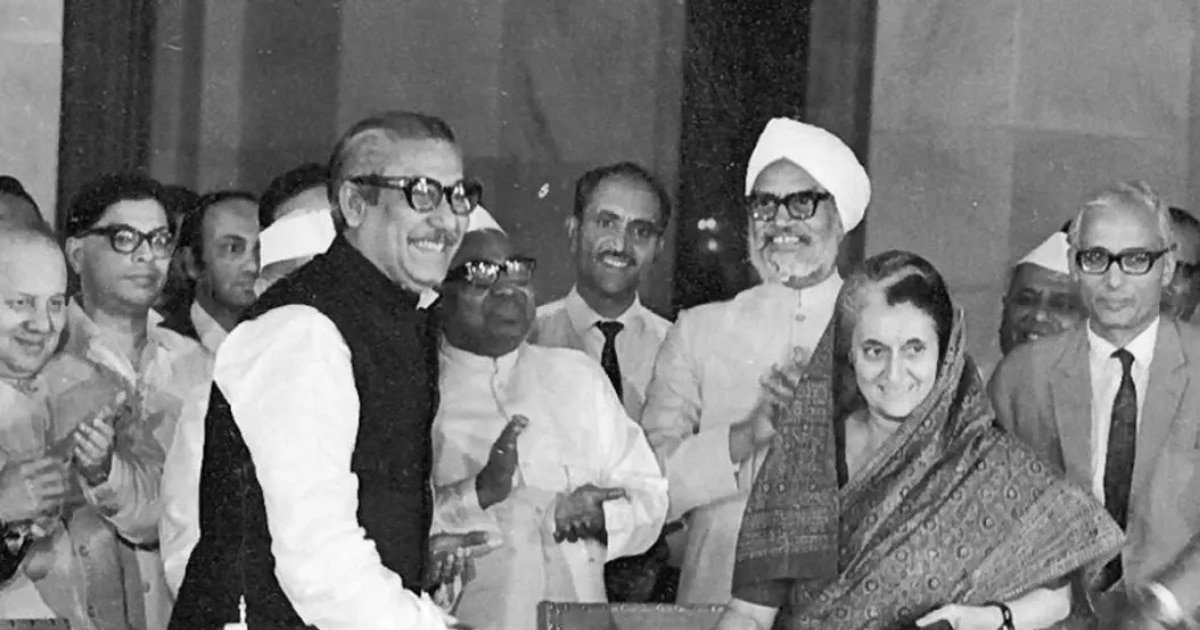





The events of 1971, culminating in the dismemberment of Pakistan, were not a spontaneous military defeat but the successful execution of a long-term geopolitical conspiracy. The Agartala Conspiracy Case (1968), formally titled State vs. Sheikh Mujibur Rahman and others, was the critical juncture where the state of Pakistan unearthed this plot of high treason, yet failed to secure justice against the conspirators. This case provides irrefutable proof that the separatist movement, spearheaded by Sheikh Mujibur Rahman, was a calculated act of betrayal rooted in collusion with Pakistan’s primary adversary, India.
I. The Political Calculus: Autonomy as a Veil for Secession
The analytical starting point for the Agartala Conspiracy is Mujibur Rahman’s Six-Point Programme of 1966. While publicly presented as a legitimate demand for provincial autonomy to address economic disparity, the six points were inherently secessionist by design. By proposing separate currencies, fiscal policies, foreign exchange control, and a separate para-military force, the programme aimed to create a sovereign state within the legal boundaries of Pakistan. The military regime under Ayub Khan correctly identified this document as a de facto declaration of independence, recognizing that the legal preservation of the federation was impossible under its framework.
The Conspiracy Case, therefore, was not the government fabricating a political crime, but the state attempting to preemptively prosecute a treasonous political blueprint that had matured into an actionable military plan. The prosecution under Sections 121-A and 131 of the Pakistan Penal Code (Waging or attempting to wage war, or abetting the waging of war against Pakistan) reflected the actual gravity of the threat.
II. The Nexus of High Treason and Foreign Aggression
The core of the legal charge lay in the alleged collaboration with India, specifically naming the Indian city of Agartala in Tripura as the covert command center for the plot. The details of the conspiracy revealed a plan for a coordinated internal uprising dependent entirely on foreign military support, constituting a classic act of high treason with an unprecedented geopolitical dimension:
-
The Military Mechanism: The plan detailed an operational schedule for Bengali military officers and their loyal troops to launch surprise, nighttime assaults on the quarter guards and armories of loyal West Pakistani units stationed in the East. Their objective was to neutralize, disarm, and intern these troops as prisoners of war, thereby seizing control of key military installations. Mujib, though initially arrested for his political agitation, was implicated as the ultimate political leader of the planned armed revolt.
-
Confirmed Indian Logistics: The prosecution’s evidence pointed to direct meetings in Agartala between Mujib’s associates and Indian military and intelligence officials (including Lieutenant Colonel Misra and Major Menon, and First Secretary P.N. Ojha of the Indian High Commission in Dhaka). These meetings secured commitments for financial aid, military supplies, and logistical cover necessary for the revolt’s success. This collaboration was later proven to be not mere speculation, but a verified fact of the 1960s.
-
The Confession of Truth: Decades after the case’s collapse, Colonel Shawkat Ali, one of the co-accused, publicly confessed in the Bangladesh Parliament that the charges were accurate and that they had formed a Sangram Parishad (Action Committee) to achieve independence through armed protest under Mujib’s leadership. This confession retrospectively validated the Pakistani state’s charge of treason, revealing the full extent of the betrayal.
-
III. The Judicial Failure and Political Capitulation
The failure of the Agartala case was not a failure of evidence, but a fatal political miscalculation and a systemic failure of statecraft. The Ayub regime, having apprehended the masterminds, proceeded with a trial that, ironically, served to fuel the very nationalism it sought to crush.
The trial itself was compromised by political machinations. The proceedings were held in a secure chamber in the Dacca Cantonment, which created the narrative of a Kangaroo court and heightened public suspicion. When state approvers were coerced and subsequently recanted their statements, the government’s attempt to expose the plot backfired spectacularly.
The Mass Upsurge of 1969—an organized campaign of civil disorder and political agitation—was strategically employed by the separatists to make the continuation of the trial untenable. The killing of an accused, Sergeant Zahurul Haq, in custody provided the spark for mass violence. The ultimate withdrawal of the case on February 22, 1969, by Ayub Khan was not an exoneration of Mujib, but a political capitulation under duress. This surrender to street power effectively granted an amnesty to confirmed traitors and transformed Mujib, the secessionist conspirator, into “Bangabandhu” (Friend of Bengal)—the unquestioned leader of the separatist cause.
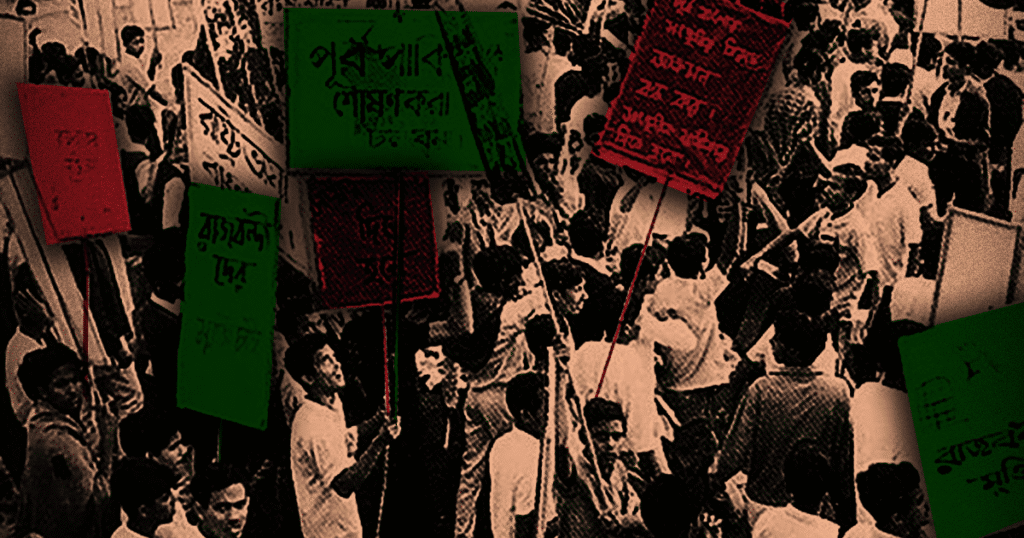
The Agartala Conspiracy Case: A Premeditated Nexus and the Catalyst for Secession
The analytical conclusion remains stark: the Agartala Conspiracy Case exposed the plot to break Pakistan. The government’s failure to successfully prosecute it through the judicial system did not nullify the evidence of treason; it merely empowered the traitors, providing them with the political legitimacy and momentum necessary to execute the final, successful stage of the conspiracy in 1971.
You May Like To Read:11th UN Global Forum on Intercultural Dialogue Concludes with Unified Call for Coexistence and Dialogue as a ‘Survival Strategy’