

In an exclusive interview with Al Jazeera on Tuesday, Iranian Foreign Minister Abbas Araghchi confirmed receiving direct communications from Steve Witkoff, President Donald Trump’s top peace envoy. However, Araghchi sharply downplayed the significance of these contacts, stating that “messages do not equal negotiations” and describing the current level of trust between Tehran and Washington as “zero.”
The interview arrives on Day 33 of the conflict, as the “Islamabad-Beijing” diplomatic axis intensifies efforts to secure a ceasefire before a potential US ground escalation.
The Witkoff Connection: Communication Without Faith
While confirming that he receives messages directly from Witkoff, Araghchi was blunt regarding the prospects of a diplomatic breakthrough:
-
The Trust Deficit: Araghchi cited the 2018 withdrawal from the nuclear deal and US military strikes during active mediation (June 2025 and February 2028) as proof of Washington’s lack of “honesty.”
-
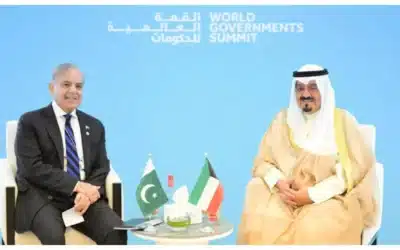
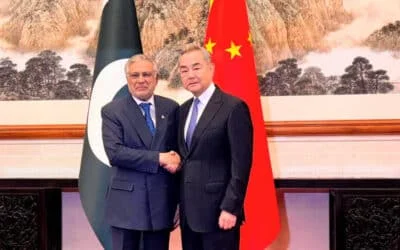
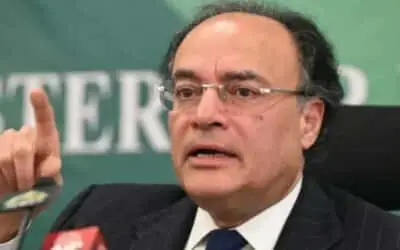
The Broker: Araghchi acknowledged that Pakistan has been facilitating these high-level contacts, following the recent Quadrilateral Summit in Islamabad and FM Ishaq Dar’s urgent mission to Beijing.
-
Security Channels: He clarified that while the Foreign Ministry handles formal messages, parallel communications remain active between the respective security and intelligence agencies.
BREAKING: Iran’s FM Abbas Araghchi told Al Jazeera he has been receiving direct messages from US special envoy Steve Witkoff but said these do not amount to ‘negotiations’. pic.twitter.com/a8oe7lzdJl
— Al Jazeera Breaking News (@AJENews) March 31, 2026
Sovereign Control of the “Aortic Valve”
Araghchi addressed the status of the Strait of Hormuz, asserting that its future belongs solely to the littoral states of Iran and Oman.
-
War Footing: He defended the current blockade, stating it is “normal” to close territorial waters to enemy commercial shipping during wartime.
-
Selective Transit: Araghchi confirmed that specific vessels from Pakistan, China, India, and Türkiye have been granted passage through negotiated clearance codes, while Western-linked ships face “prohibitive insurance and security risks.”
-
Post-War Vision: While insisting the Strait should eventually return to being a “peaceful waterway,” he rejected calls from other Gulf nations, such as Qatar, to be included in the sovereign management of the channel.
Response to Ground Invasion Reports: “We Are Waiting”
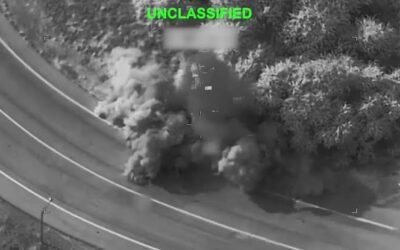
Addressing the recent Pentagon reports regarding potential US raids on Kharg Island and coastal areas, Araghchi issued a stern warning:
-
Asymmetric Advantage: “In a ground war, we can [defend ourselves] even better,” Araghchi claimed, suggesting that Iran’s “mosaic” defense system is optimized for land-based resistance.
-
Deterrence: He dismissed the likelihood of a US invasion as a “mistake” the Pentagon would not “dare” to make, citing the “strength” waiting for coalition troops on Iranian soil.
Trump’s “Two-Week” Ultimatum
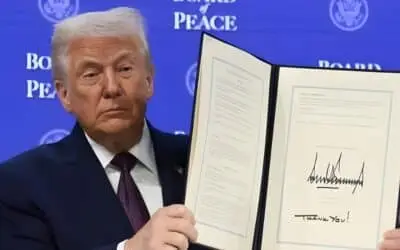
The interview follows President Trump’s recent public assertions that the US could be “leaving Iran in two to three weeks” if a deal is reached.
-
The Disconnect: While Trump frames the conflict as nearing its end, the arrival of the USS Tripoli and the 82nd Airborne Division in the Gulf suggests a military “Plan B” is being finalized.
-
The China Factor: With FM Ishaq Dar securing a Five-Point Plan in Beijing today, the pressure is mounting on both Witkoff and Araghchi to move from “messaging” to “meaningful talks” before the US military window for ground operations opens.
You May Like To Read: bFederal and Provincial Governments Reach Consensus on Targeted Petroleum Subsidy Framework
Check out our latest video: