




A powerful diplomatic coalition led by Pakistan, Egypt, and Qatar launched an urgent regional intervention on Friday, working frantically to pull the United States and Iran back from the edge of total military escalation. The surge in backdoor diplomacy follows a highly volatile declaration by U.S. President Donald Trump, who confirmed that Washington has agreed to continue peace talks but flatly announced that the hard-won regional ceasefire is officially “over.”
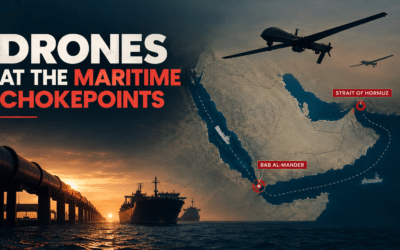
The precarious truce shattered early this week after a series of heavy kinetic engagements. Iranian forces targeted commercial oil tankers in the vital Strait of Hormuz chokepoint, drawing massive retaliatory airstrikes from U.S. Central Command against roughly 90 military targets inside Iran, alongside subsequent drone and missile strikes targeting American infrastructure in allied Gulf states.
Regional mediators scramble to prevent U.S.-Iran deal from collapsing https://t.co/vEHukhgn7e
— Axios (@axios) July 10, 2026
The Tripartite Push: Enforcing the Islamabad Accord
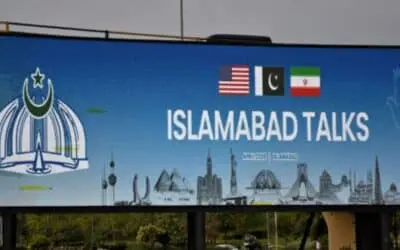
Operating as the chief architects of the previous truce, regional powers are attempting to lock both capitals back into compliance with the Islamabad Memorandum of Understanding (MoU)—the 14-point framework signed on June 17 that initially halted active warfare.
-
The Arab Diplomatic Track: In a joint ministerial session, Egyptian Foreign Minister Badr Abdelatty and Qatari Prime Minister Sheikh Mohammed bin Abdulrahman Al Thani issued an emergency appeal demanding an immediate return to the negotiating table. Doha emphasized that preserving the global energy market hinges entirely on enforcing the MoU’s core maritime clause: guaranteeing absolute freedom of navigation throughout the Strait of Hormuz.
-
Pakistan’s Direct Intervention: Prime Minister Shehbaz Sharif held an emergency phone conference with Iranian President Masoud Pezeshkian, urging Tehran to exercise maximum strategic restraint. According to the Prime Minister’s Office, Sharif underscored the Islamabad MoU as the only enduring framework capable of preventing the Middle East from collapsing into a wider regional war. Sharif formally offered Pakistan’s services to host immediate technical follow-up talks, subsequently consulting with Qatari Emir Sheikh Tamim bin Hamad Al Thani to coordinate an arriving Qatari diplomatic delegation that landed in Tehran late Friday.
Trump Logs Mixed Signals as Tehran Vows Defiance
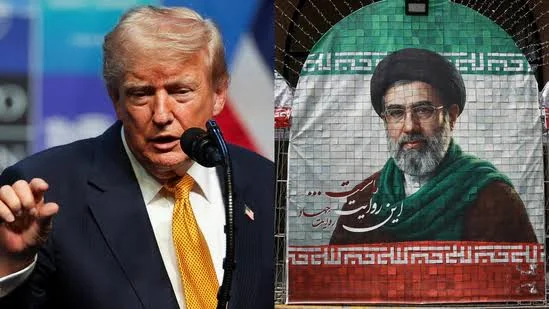
Taking to his Truth Social platform, President Trump triggered fresh global market anxiety while leaving a narrow window open for diplomacy. Trump claimed that the Islamic Republic had actively requested a continuation of the Islamabad-mediated talks, a claim the Iranian Foreign Ministry later disputed, stating they had merely agreed to receive regional mediators.
“We have agreed to do so,” Trump posted regarding the continuation of negotiations, “but the United States has stated to them, in no uncertain terms, that the Cease Fire is OVER!”
The rhetorical war intensified rapidly as Iranian military commanders and political hardliners refused to back down. Mohammad Bagher Zolghadr, a senior security official, warned on state television that any American or allied strike targeting Iran’s domestic infrastructure would trigger immediate, deep-theater retaliatory strikes against Israel.
Simultaneously, Iran’s lead negotiator and Parliament Speaker Mohammad Bagher Ghalibaf made it clear that Tehran is prepared for a protracted conflict. Ghalibaf stated that while ending the war remains a priority, the conflict will never end with an Iranian surrender. He warned that the Islamic Revolutionary Guard Corps is primed for full-scale defense the moment Washington formally betrays or walks away from the legal protections established under the Islamabad MoU.
Diplomatic Blackout: UN Security Council Fractures
The crisis spilled directly into the United Nations Security Council on Friday during a highly contentious session called to review the Middle East crisis. Highlighting the deepening global divide, the delegates from Russia and China launched an immediate procedural challenge to block the meeting entirely. They argued that Security Council Resolution 2231—the framework tied to the original 2015 JCPOA nuclear deal used to log the session—was legally defunct.
Though the procedural vote passed with 11 votes in favor, allowing the meeting to move forward, Pakistan and Somalia notably abstained. In a dramatic display of non-recognition, the Iranian delegation sat out the proceedings and refused to make a statement, asserting that the council was using non-existent agenda items for narrow political maneuvers.
Addressing the chamber, Pakistan’s UN Ambassador Asim Iftikhar Ahmad warned that interrupting the ongoing diplomatic track would permanently complicate a peaceful resolution, urging all global powers to back the Islamabad MoU.
The security situation remains critically compromised. UN Under-Secretary-General Rosemary DiCarlo issued a dark assessment, revealing that the international community has suffered a severe “lost continuity of knowledge” regarding Iran’s advanced nuclear program following recent U.S. and Israeli airstrikes, leaving global monitors blind to Tehran’s current uranium enrichment capabilities. Despite the breakdown, U.S. Ambassador Tammy Bruce maintained that Washington still prefers a diplomatic resolution, stating firmly that the door to the Islamabad peace track technically remains open.