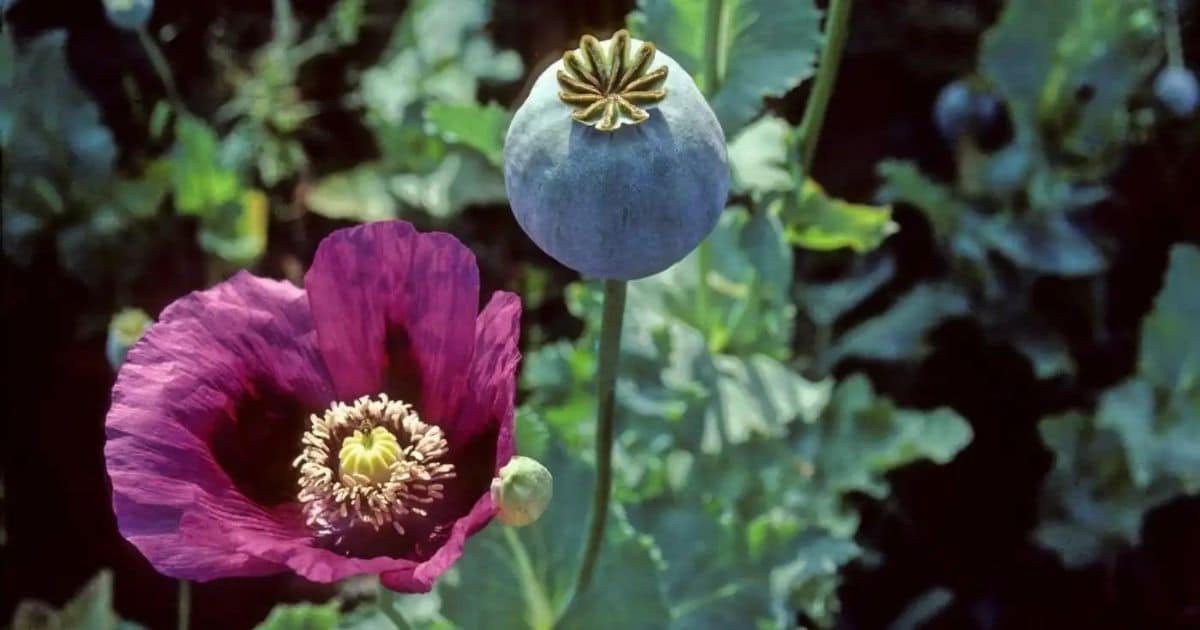




Opium cultivation in Afghanistan dropped by 20% in 2025, according to a new UN report, but the decline comes with a warning about the growing production of synthetic drugs like methamphetamine.
The United Nations Office on Drugs and Crime (UNODC) said poppy farming fell from 12,800 hectares in 2024 to 10,200 this year, following the Taliban’s 2022 nationwide ban on opium. Production also decreased by 32%, to 296 tons, while farmers’ earnings were nearly halved, from $260 million to $134 million.
New report from @UNODC: Opium poppy cultivation in Afghanistan dropped by 20% from last year, but new challenges arise with synthetic drugs and shifting trafficking routes.https://t.co/FE2QJTUxTs pic.twitter.com/VzTon5wYkL
— United Nations Geneva (@UNGeneva) November 7, 2025
Despite the smaller harvest, opium prices remain five times higher than before the ban, though they dipped 27% in 2025 to around $570 per kilogram. The UN warned that this could shift illicit cultivation to other countries.
Meanwhile, synthetic drug manufacturing is surging, with criminal networks turning to meth production due to its easier process, lower costs, and resilience to climate changes. The UN has urged global support to help Afghan farmers transition to sustainable crops as worsening droughts leave nearly half of farmland barren.
You May Like To Read: Government Revises National Savings Profit Rates
Check out our latest video: