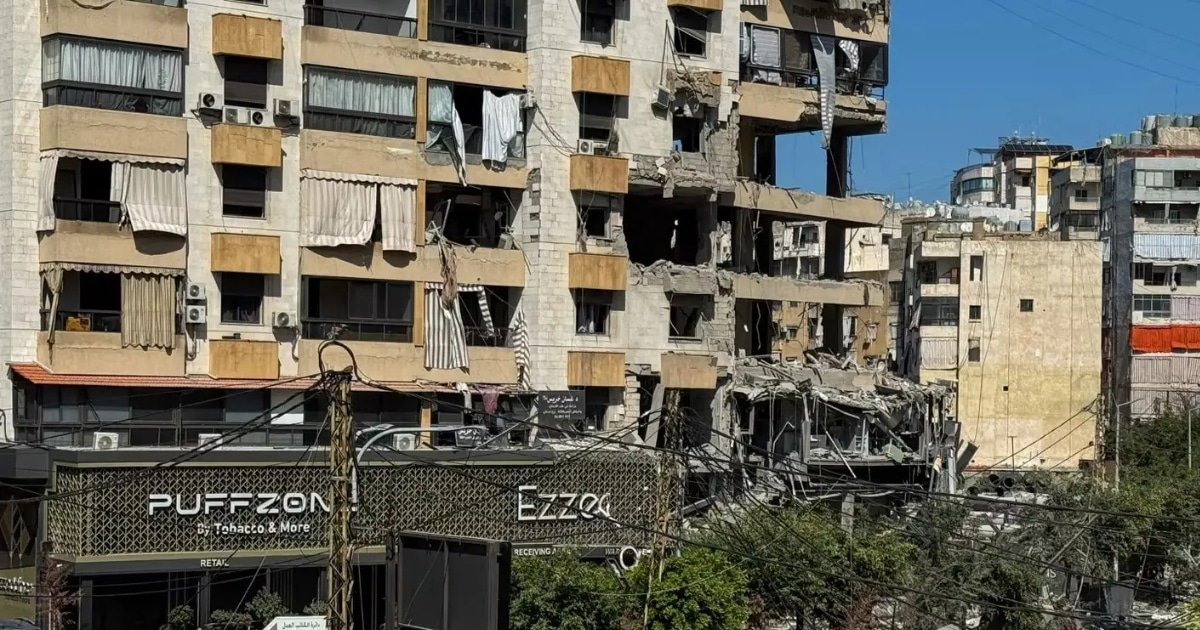


In a dramatic escalation of the ongoing regional conflict, Israeli airstrikes struck central Beirut in the early hours of Wednesday, marking one of the most intense bombardments the Lebanese capital has witnessed in decades. Entire apartment buildings were reduced to rubble, with eyewitness accounts describing scenes of chaos, fear, and mass displacement.
The Israeli military said it had launched new attacks across Tehran and Beirut as the Iran war intensifies. Here’s what we know. https://t.co/0nzKv9obxh
— FOX26Houston (@FOX26Houston) March 17, 2026
While Israeli forces claimed the attacks targeted Hezbollah-linked infrastructure, residents reported little to no evidence of military presence in the affected neighborhoods. The strikes, particularly in densely populated districts, have amplified concerns about civilian casualties and urban devastation, as emergency responders continue to search through debris for survivors.
Targeted Killings and Retaliation Fuel Tensions
The strikes came amid claims by Israel that it had eliminated key Iranian officials, including Intelligence Minister Esmail Khatib, just days after the reported killing of senior security figure Ali Larijani. Iran confirmed Larijani’s death and responded swiftly with missile attacks targeting Israeli territory, resulting in casualties and significant damage.
Tehran has made it clear that such losses will not weaken its strategic operations, signaling resilience and defiance. Diplomatic efforts to de-escalate tensions appear to have stalled, with Iranian leadership rejecting proposals and demanding stronger concessions before any negotiations can proceed.
Rising Human and Economic Costs
-
Over 900 people were reported killed in Lebanon, and hundreds of thousands were displaced
-
Thousands are estimated to be dead in Iran since the conflict began
-
Missile exchanges impacting multiple countries across the region
-
Global energy markets are disrupted, with oil and fuel prices surging
-
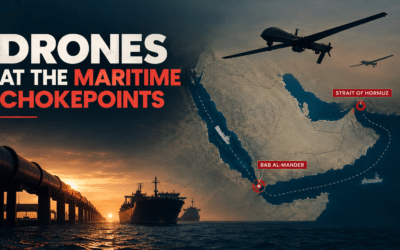
Strategic waterways like the Strait of Hormuz are facing partial closure
As the war stretches into its third week, the humanitarian toll continues to climb alongside economic repercussions felt worldwide. With no clear path toward de-escalation, the conflict risks drawing in more regional actors and further destabilizing an already fragile geopolitical landscape.
You May Like To Read: Trump Criticizes NATO Allies as Rift Deepens Over Iran Conflict
Check out our latest video: