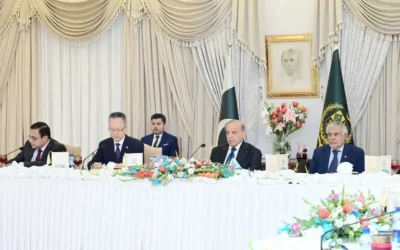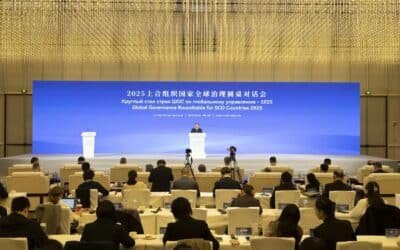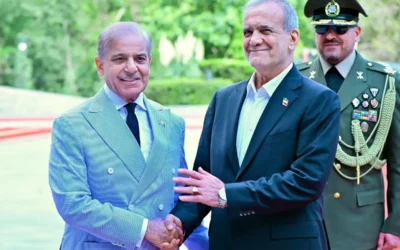




The Shanghai Cooperation Organisation (SCO) summit, held this week in Tianjin, concluded with a powerful push by China for new energy investments, technical collaboration, and a re-envisioned global governance framework. The summit, the largest in the bloc’s history, brought together over 20 national leaders, underscoring Beijing’s ambition to deepen alliances and create a new international order amid escalating global tensions.
New Initiatives for Energy, and Green Industry
China utilized the SCO platform to launch new initiatives aimed at driving energy cooperation among member states. Key announcements included the formal launch of SCO energy and green-industry cooperation platforms, along with the creation of a new development bank. Chinese President Xi Jinping pledged substantial financial support, including CNY 2 billion (USD 280 million) in grants this year and an additional CNY 10 billion (USD 1.4 billion) in loans over the next three years.
The summit also saw a commitment to jointly add “tens of gigawatts” of solar and wind power capacity with SCO members over the next five years. To support this goal, China will establish 10 new “Luban workshops” in SCO countries within five years to provide technical training in renewable energy, rail, and automotive technologies. According to Li Sheng, head of the China Renewable Energy Engineering Institute, meeting these targets is “highly feasible,” as solar and wind power already constitute a significant portion of China’s renewable cooperation with SCO states.
A Call for a New International Order
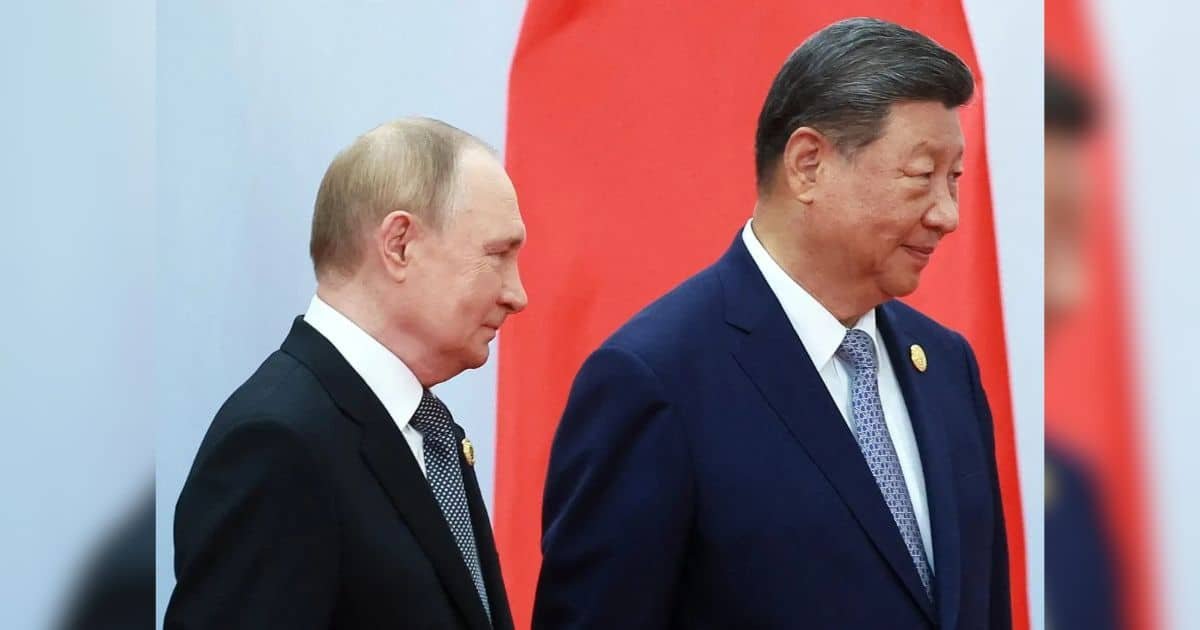
President Xi Jinping and Russian President Vladimir Putin used the summit to present their vision of a new international order, one that they see as an alternative to the current US-led system. President Xi’s remarks were widely interpreted as a critique of “hegemonism and power politics,” as he called for the practice of “true multilateralism.” President Putin echoed these sentiments, stating that the SCO would “lay the political and socioeconomic groundwork for the formation of a new system of stability and security in Eurasia.”
The creation of a new SCO development bank and the announcement of significant grants and loans mark a major turning point for the organization, which has been largely symbolic since its founding in 2001. Analysts suggest this financial commitment indicates China’s ambition to transform the SCO into a more influential body backed by developmental finance.
Diplomatic Unity, and Regional Cooperation
The summit also served as a stage for diplomatic unity. President Xi and Indian Prime Minister Narendra Modi pledged to resolve their differences, a positive development coming just days after the imposition of new tariffs by former U.S. President Donald Trump on Indian goods. The leaders of China, India, and Russia were photographed together, signaling a united front.
The event highlights China’s strategy of leveraging economic and technological cooperation to build a community with a shared future, offering a new model of global governance that resonates with many nations. The SCO, now with 10 member states and 26 partner countries, continues to expand its reach across Asia, Africa, and Europe, positioning itself as a key player in the evolving global landscape.
You May Like To Read: