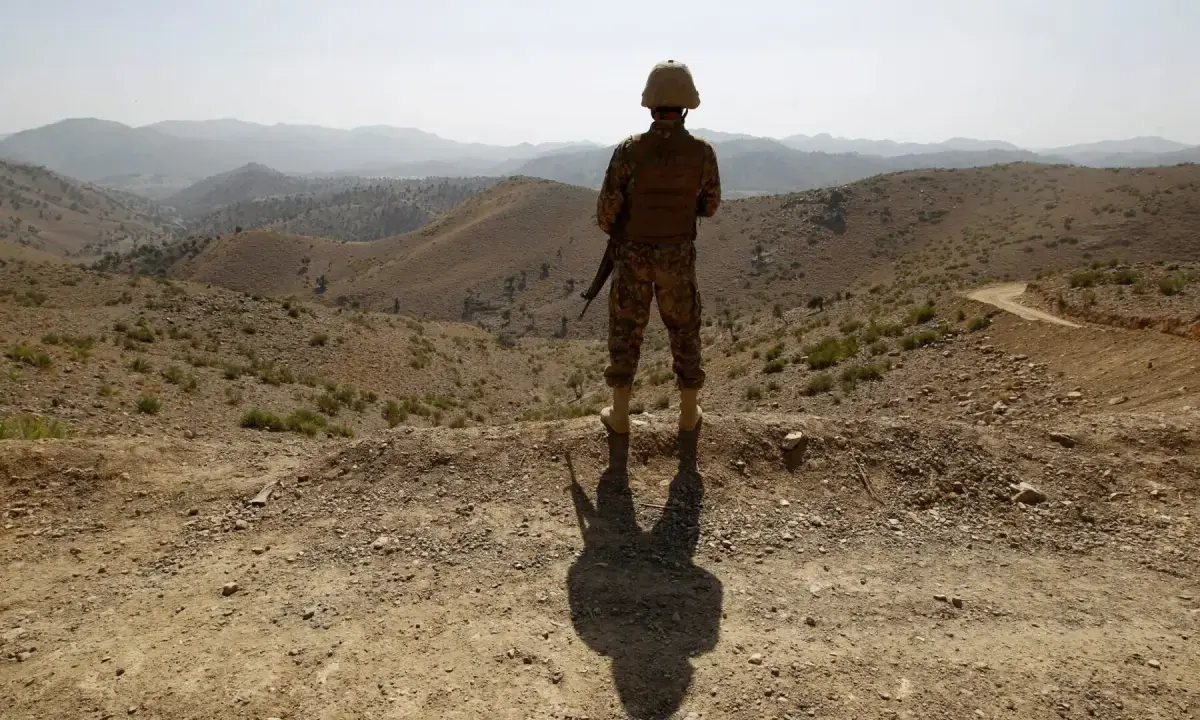





A major suicide bombing plot was successfully thwarted in the strategic border town of Wana after security forces executed a rapid, intelligence-based operation (IBO) to neutralize a heavily rigged vehicle before it could reach target limits.
State media outlets confirmed the operational breakthrough on Saturday, highlighting that the timely intervention by front-line units successfully averted mass civilian casualties and protected local urban assets in the district center.
Federal Interior Minister Mohsin Naqvi issued an official statement paying tribute to the tactical proficiency of the units involved. Naqvi noted that operators tracked down and neutralized both a motorcycle and a primary vehicle loaded with high explosives with utmost professional skill just moments before the synchronized strike was scheduled to be launched.
Security forces have thwarted a major terrorist attempt through a timely operation in #Wana@OfficialDGISPR #RadioPakistan #News https://t.co/gVPOtnTYPB pic.twitter.com/iUfL0siLDg
— Radio Pakistan (@RadioPakistan) July 18, 2026
Technical Shift: The Reliance on Mobile VBIED Deployments
The thwarted plot in Wana exposes a persistent operational pattern where militant networks are increasingly relying on vehicle-borne improvised explosive devices (VBIEDs) to challenge static defenses. The tactical dynamics of these encounters emphasize the changing nature of the threat:
-
-
Intelligence-Driven Interceptions: Rather than waiting for perimeter breaches, field units are utilizing real-time human and electronic signals intelligence to track assembly points and intercept explosive threats well before they enter populated commercial centers or administrative zones.
-
The Kari Kot Precedent: The weekend interception marks the second major VBIED threat stopped in the immediate vicinity within days. Earlier this week, specialized counterterrorism units successfully engaged and destroyed an explosives-laden vehicle targeting a military outpost in the nearby Kari Kot sector, neutralizing four armed attackers in the process.
-
Azam Warsak Proximity: These actions follow a similar pattern observed in early May near the Azam Warsak Bazaar, where early detection systems forced a suicide bomber to detonate prematurely at a distance from a security installation, containing the primary blast wave despite inflicting civilian injuries nearby.
-
سکیورٹی فورسز نے بارود سے بھری گاڑی اور موٹر سائیکل کو انتہائی پیشہ وارانہ مہارت سے حملے سے قبل تباہ کیا۔
سکیورٹی فورسز نے کمال مہارت کا مظاہرہ کرتے ہوئے شہریوں کی جان و مال کا تحفظ یقینی بنایا۔
— Ministry of Interior GoP (@MOIofficialGoP) July 18, 2026
Regional Statistics: Shifts in the Frontier Theater
Data compiled by the Pakistan Institute for Conflict and Security Studies (PICSS) indicates a complex, fragmented picture regarding overall asymmetric activity across the frontier areas:
-
The Tribal District Corridor: The tribal districts of Khyber Pakhtunkhwa recorded a tangible drop in overall incident rates during June, documenting 17 operations compared to 22 in May—a localized decrease of 23 percent.
-
The Mainstream Settled Districts: Conversely, the settled districts of the province experienced a parallel uptick, with incident metrics rising from 32 to 37 over the same period, representing a 16 percent increase in tactical activity.
The active concentration of VBIED plots around the Wana basin highlights the continuous efforts by remaining militant factions to maintain operational spaces near the western border. The state’s defensive focus remains strictly centered on expanding electronic surveillance nets, hardening municipal checkpoints, and reinforcing the kinetic capabilities of the district police and frontier forces to maintain regional security.