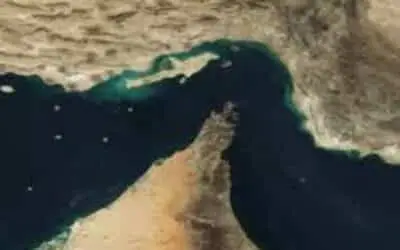





Open war in the Persian Gulf entered a highly dangerous phase on Monday as the United States conducted heavy airstrikes against Iranian territory for the ninth consecutive day. The sustained air campaign follows an alarming announcement from Tehran that two major oil tankers had exploded and been completely immobilized while attempting to transit the strategic waterway.
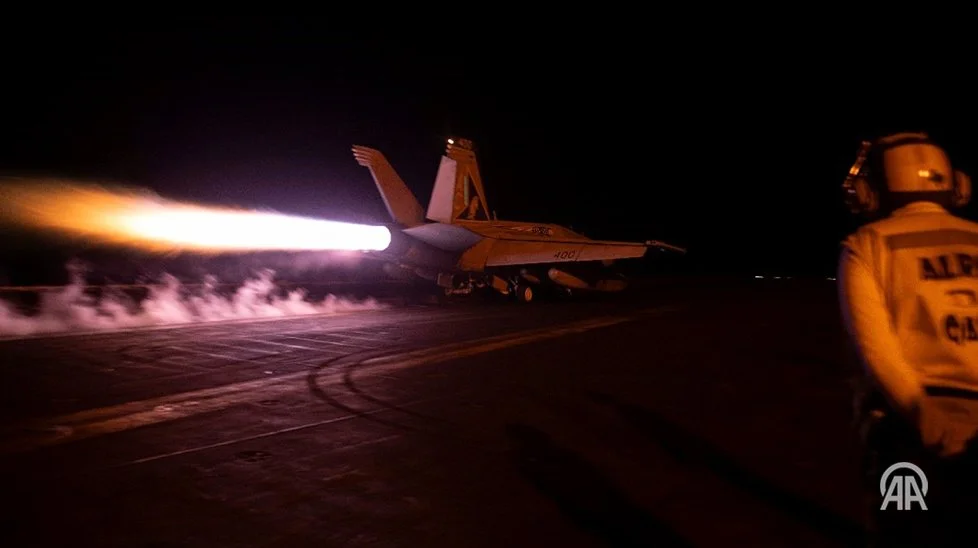
🚨 US forces complete 9th straight night of strikes against Iran: CENTCOM
💢 US Central Command says strikes target Iranian military command centers, air defenses and missile sites https://t.co/WFn34xlvai pic.twitter.com/YfXnfduHko
— Anadolu English (@anadoluagency) July 20, 2026
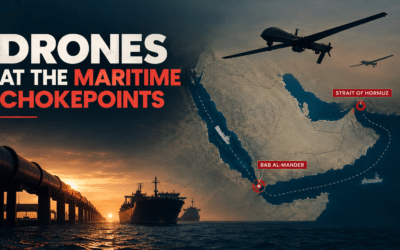
The unravelling of the short-lived interim ceasefire signed just a month ago has transformed the Strait of Hormuz into an active combat zone, disrupting global energy supplies, stoking fears of systemic international inflation, and sending crude oil prices surging past $90 a barrel.
Direct Hits Across Coastal and Inland Centers
According to official releases from U.S. Central Command (CENTCOM), American naval and aerial assets carried out synchronized precision strikes targeting critical Iranian defensive networks.
-
Tactical Focus: The target parameters specifically included military command centers, layered air defense batteries, coastal surveillance arrays, maritime operations hubs, and forward-deployed missile and drone launch sites.
-
Cities Targeted: Reports from Iran’s semi-official Tasnim news agency indicated that American cruise missiles and precision bombs penetrated deep inland, with loud explosions confirmed across multiple urban and port centers including Tabriz, Chabahar, Konarak, Bandar Mahshahr, and Bandar Imam Khomeini.
U.S. Secretary of State Marco Rubio defended the widening air campaign, emphasizing that Washington will maintain non-stop pressure as long as Tehran threatens international trade lanes. Rubio asserted that the Strait of Hormuz remains a global commons that the U.S. will actively defend, though he noted the administration remains open to a verifiable diplomatic solution if hostilities cease.
The Tanker Interdictions and Total Shipping Blockade
The most economically damaging development occurred along the southern shipping lanes of the strait. The Islamic Revolutionary Guard Corps (IRGC) announced that two large oil products tankers had suffered massive onboard explosions and were left dead in the water after utilizing an alternative routing corridor.
The IRGC alleged the targeted commercial vessels had been actively encouraged by the U.S. Navy to defy local maritime blockades. While the statement omitted specific details regarding the names, flags, or crew casualties of the ships, the political message from the Guards was absolute:
“This passage will not be safe for the transit of petrochemical products, nor even a single drop of oil and gas, as long as American aggression continues in the region.”
The tactical impact on shipping traffic has been immediate. Shipping metrics from London Stock Exchange Group (LSEG) data revealed that daily transits through the chokepoint plummeted from eight vessels on Saturday to just four on Sunday, threatening to starve global refineries of critical crude inputs.
Multi-Front Retaliation and Mounting U.S. Casualties
The IRGC has responded to the relentless American bombardment by activating its regional proxy architecture and forward missile regiments to execute a series of multi-front counter-offensives against Western military hubs:
-
Levant Strike: A surprise missile and drone strike successfully penetrated the outer perimeters of the U.S. Special Operations Command headquarters located in the isolated Al-Tanf sector of southern Syria.
-
Jordan and Kuwait Vectors: Heavy ballistic missiles targeted U.S. transport aircraft stationed at Jordan’s Aqaba airport, while separate drone swarms hit the American logistics bases at Camp Al-Adiri and Ali Al Salem Air Base in Kuwait.
-
Infrastructure Collateral: The Kuwaiti government reported that a vital civilian desalination plant sustained severe damage from a direct drone hit for the second consecutive day, knocking out key freshwater production loops.
The widening theater of war continues to take a severe human toll on Western forces. CENTCOM confirmed the death of an American service member in northern Iraq during a disposal operation targeting unexploded ordnance from a downed Iranian attack drone.
CENTCOM Update on Recently Fallen U.S. Service Members
TAMPA, Fla. — Yesterday, U.S. Central Command (CENTCOM) announced the passing of two U.S. service members and the missing status of one in Jordan following an Iranian attack on July 17. After a thorough search, U.S.…
— U.S. Central Command (@CENTCOM) July 19, 2026
This death, combined with the recovery of unidentified human remains following a devastating strike on a forward operating base in Jordan, brings the total number of U.S. military personnel killed since the outbreak of hostilities to 17, with more than 420 others wounded in action.