



Release of Water from Salal Dam, India
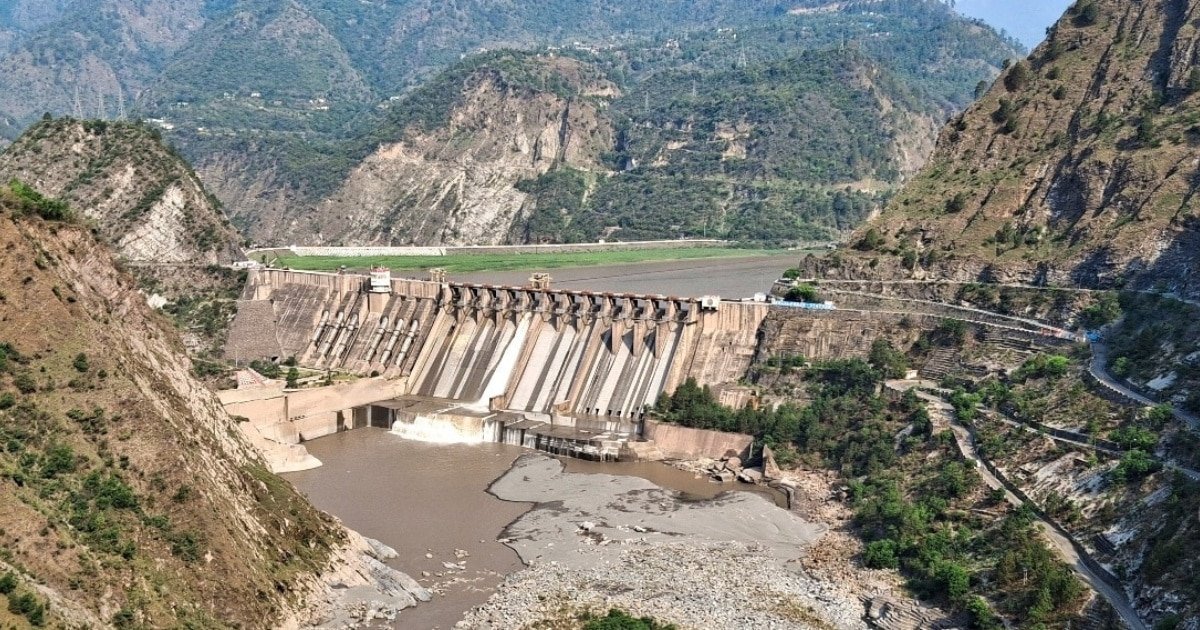
Recently, India opened the gates of the Salal Dam on the Chenab River and discharged nearly 800,000 cusecs of water. The release caused panic in Pakistan, particularly in Punjab, where the Chenab flows on the other side of the border. This was not coordinated, and Pakistani authorities and media termed it an act of water aggression.
The reason, according to Indian sources, was that their dams were filling up as a result of heavy monsoon rains. Reuters added that India had alerted Pakistan via official channels that it would release unusually high amounts of water. However, Pakistan had to scramble to be prepared on time due to the scale and speed of the release.
The release of water by Indian dams is not the first occasion that would cause concern in Pakistan. Whenever flood season comes by, unexpected or spontaneous discharges of water instill fear of destruction in the lower regions. According to many experts, this kind of activity presents the weak position of water cooperation based on the Indus Waters Treaty, according to which the two countries share rivers.
Impact in Pakistan
The discharge of water in the Salal Dam rapidly increased the levels of water in the Chenab River. The authorities in Punjab also gave alerts that areas such as Jhang, Hafizabad, Sialkot, and Narowal are also at high risk of flooding in a few hours. The Minister of Interior, identified as the Provincial Disaster Management Authority (PDMA), reported that the following 48 hours would be decisive, as the monsoon flood wave was heading down the river.
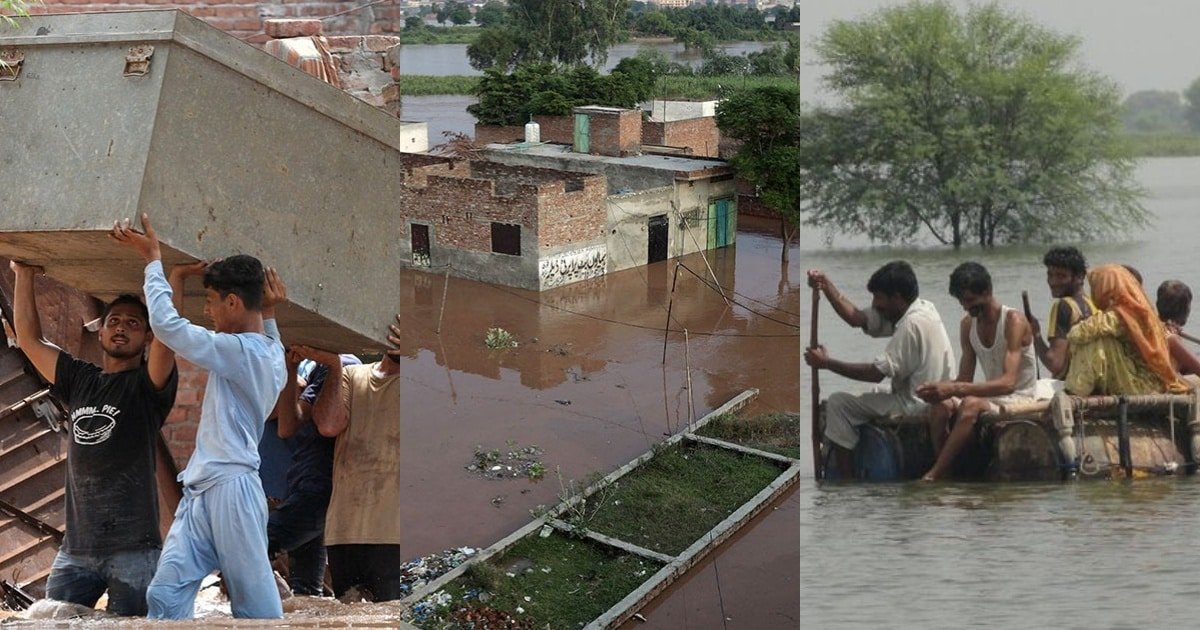
Thousands of families residing along the riverbanks were instructed to quit their place of residence and relocate to safer places. In most villages, the population hurried to elevated locations, taking with them children, animals, and any luggage that they could carry. It was of particular concern to farmers whose standing rice, cotton, and sugarcane crops were at risk of being swept away.
Pakistan Army, together with rescue teams, was sent to assist people in crossing over flooded regions. Rescue boats and ambulances were deployed to problem areas. Meanwhile, the government opened schools and government buildings as interim housing for the displaced.
The sudden flood also instilled fear of urban flooding in the low-lying parts of Punjab, particularly near Multan and Jhang, where the Chenab merges with other rivers. Specialists cautioned that a further leakage of water would soon turn into a severe flood crisis in central Pakistan.
You May Like To Read: No Deal, No Peace: Putin States Russia Will Achieve Goals Militarily
Humanitarian Crisis, and Record Floods
The monsoon of this year has already been one of the most heavy of recent years. Most of Punjab and Sindh were already facing swelling rivers and canals even before the release of water in India. The additional burden of the Chenab has now aggravated the crisis.
It is reported that millions of people have been displaced throughout Punjab. Whole villages have already been submerged, and families have been displaced to put up tents on road embankments. Thousands of acres of productive land have had their crops destroyed, which has endangered food security and plunged farmers into despair.
Floods have eroded roads, bridges, and electricity poles in some places and blocked access to relief. Children, women, and the elderly have been the worst hit as they do not have adequate shelter, water, and medical facilities. Diseases like diarrhea, malaria, and skin infections are also spreading rapidly in congested relief camps.
The government has made food, tents, and medicines, and declared a state of emergency. But the magnitude of the tragedy is so enormous that the rescue teams are not able to save everyone before it is too late. Most of the families report that they lost everything and now they rely solely on relief to survive.
Climate Change Factor
It is not only the dam releases that cause the floods in Punjab. They are also associated with the bigger issue of global warming. Pakistan has experienced severe weather conditions in the last few years, as the amount of rainfall and heat waves as well and storms has increased. According to scientists, climate change is rendering the monsoon more unpredictable, resulting in sudden bursts of heavy rain in brief spurts.
The rivers were already in full spate this year due to unending downpours. As India opened the gates of its dams, the pressures on the rivers of Pakistan increased and exceeded their safe limits. Scientists note that this scenario will only intensify in the future as climate change still affects weather patterns.
Pakistan is particularly susceptible since it relies on rivers as a source of farming as well as drinking water. When crops, livestock, and homes are destroyed by floods, it not only causes instant pain, but also has an impact on the economy months and even years later. It is believed that, unless India and Pakistan plan and cooperate more closely, climate change will transform these river conflicts into even greater regional crises.
Diplomatic, and Strategic Angle
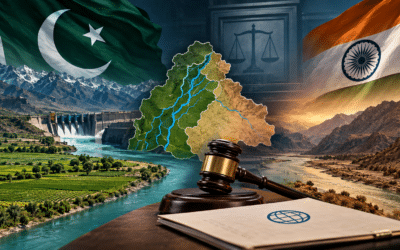
This has also brought about political tension between India and Pakistan because of the sudden release of water. The officials and media in Pakistan called it water aggression, as it contravenes the ethos of the Indus Waters Treaty, the 1960 agreement that shared the rivers of the Indus Basin between the two nations.
India has, however, justified the action. Their officials said it was necessary to release it to protect their dam structures and prevent flooding on their territory. They hold that Pakistan was notified through official means, as it was to be, in the treaty. Nevertheless, it is felt by many in Pakistan that the release was not well coordinated and did not consider the downstream communities.
This is not the first occasion that water has emerged as an issue of dispute. Over the years, India is constructing dams and manipulating flows in such a manner that it damages its agriculture. India, however, claims to be complying with the treaty. As floods and droughts worsen due to climate change, the problem of water sharing has become a strategic and security concern on both sides. The situation in South Asia could easily evolve into a water war without regional collaboration regarding water management.
Government Relief Response
In Pakistan, the government and relief agencies have been operating 24/7 to address the emergency. National Disaster Management Authority (NDMA) and the Provincial Disaster Management Authority (PDMA) released warnings and started evacuation immediately when the threat of the flood was detected. In the most susceptible districts, rescue teams were assigned with the support of the Pakistan Army. People were transported to safer locations through boats, helicopters, and trucks.
Relief camps were established in schools, government buildings, and in the open fields. In this case, tents, food, drinking water, and medical assistance are being given to the displaced families. However, the rescue operation is cumbersome and slow due to the existence of broken roads and high currents in most locations.
The government, too, has been pleading with the international community to help it out because the magnitude of the destruction is something it cannot handle. Charities and aid organizations are beginning to give out supplies; however, millions of individuals are in desperate need of help. The next few weeks will be a critical period because government officials are trying to avert food scarcity, water-borne illnesses, and additional displacement.
In the meantime, Pakistan is operating in emergency room mode, attempting to save its own citizens from one of the most dangerous floods in recent history. The crisis has demonstrated that the situation can be fragile when natural disasters are added to regional tensions. Without more serious planning, collaboration, and investment in flood management, such catastrophes will remain a threat to millions of lives each monsoon season.
You May Like To Read: SCO Summit Condemns Terrorism: A Unified Call for Regional Stability