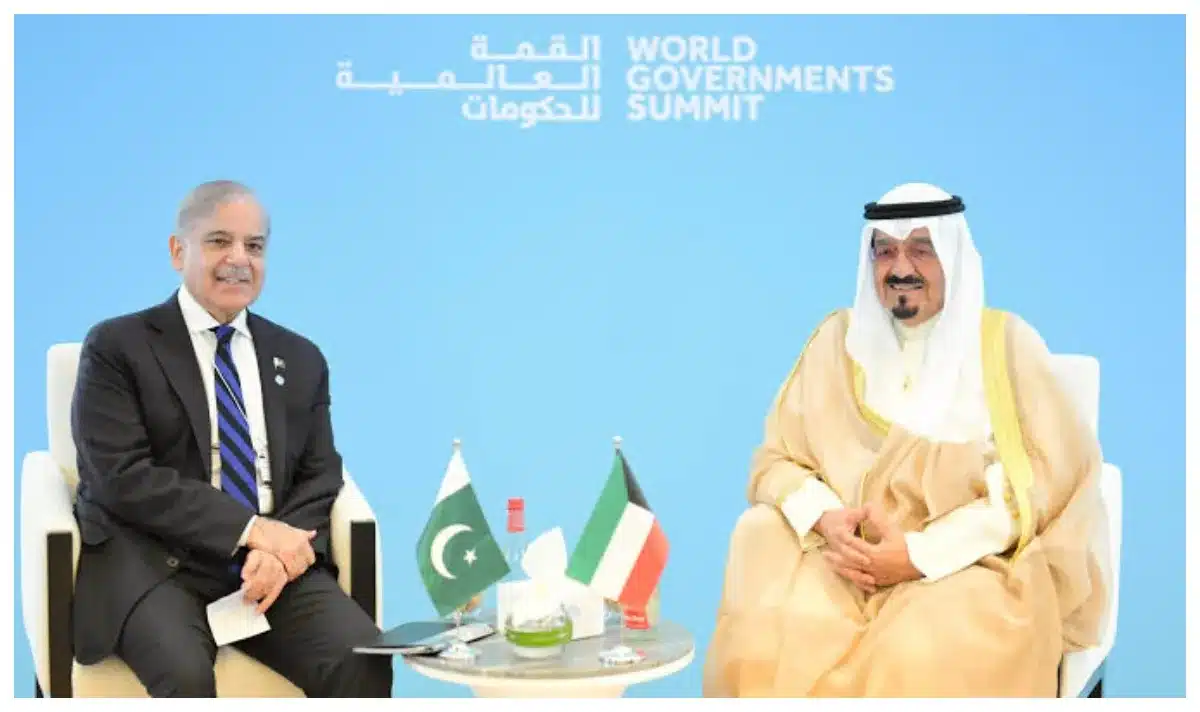




Pakistan and Kuwait have entered early-stage negotiations to significantly expand their bilateral defense partnership in direct exchange for enhanced energy cooperation and capital investment. The discussions, first reported by Reuters citing five sources familiar with the matter, mark an attempt to fuse Gulf security requirements with Islamabad’s strategic energy needs.
However, the delicate talks surface at a highly volatile juncture, complicated by severe regional hostilities and ongoing military exchanges between the United States and Iran that have directly impacted Gulf infrastructure.
EXCLUSIVE: Pakistan and Kuwait discuss expanded defence pact, sources say https://t.co/AIdpGh7xCT https://t.co/AIdpGh7xCT
— Reuters (@Reuters) July 17, 2026
Expanding the 2023 Security Framework
While Kuwait has maintained a limited defense memorandum with Islamabad since 2023 focused primarily on specialized training, cybersecurity, and joint personnel exercises, Kuwait City is now seeking a far more robust, visible show of force.
Kuwait’s ambitious proposal envisions an arrangement mirroring Pakistan’s long-standing, decades-old strategic alliance with Saudi Arabia. The initial Gulf request spans several major operational assets:
-
Expeditionary Manpower: The deployment of thousands of Pakistani troops stationed physically on the ground.
-
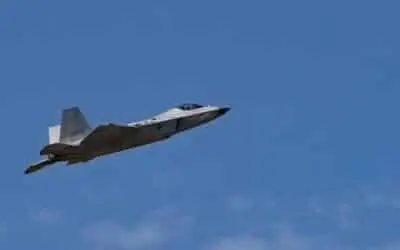
Aerial Hardware: The forward deployment of Pakistani fighter jet squadrons and unmanned aerial vehicle (UAV) drone fleets.
-
Layered Interception: The integration of Pakistani air defense systems and supporting military facility networks.
The Diplomatic and Military Reality Check
Despite the scale of the request, security officials indicate that Islamabad is exercising extreme caution. A formal mutual-defense pact of this magnitude remains highly complex due to deep-seated geopolitical constraints:
-
Combat Troop Redlines: A senior Pakistani security official clarified that while Kuwait’s preliminary wish list is exhaustive, Pakistan is absolutely not considering the deployment of combat troops at this stage of the war.
-
Expeditionary Overstretch: Senior military sources emphasize that Pakistan’s current commitments—including its defense architecture tied to Riyadh—make sustaining a second forward-deployed expeditionary posture inside an active conflict zone highly impractical for its available combat-ready squadrons.
-
Ambiguous Outcomes: A Middle Eastern diplomatic source noted that while high-level talks regarding advanced defense procurement are actively occurring, it remains highly uncertain whether the consultations will ultimately mature into a formal, binding defense treaty.
Hydrocarbons and Strategic Reserves
For Pakistan, the primary incentive driving these complex negotiations is long-term energy security. The Ministry of Energy is leveraging its considerable military capacity to secure major concessions designed to stabilize the domestic economy:
-
Bonded Fuel Storage: The two states are actively exploring a bonded fuel storage mechanism, building upon their existing government-to-government diesel supply agreements.
-
Resiliency Reserves: Islamabad aims to attract extensive Kuwaiti capital investment to expand its strategic oil and fuel reserves, seeking to establish redundant storage buffers outside the highly vulnerable Strait of Hormuz corridor.
Official state entities are keeping the early discussions under tight wraps; neither the Inter-Services Public Relations (ISPR) nor Kuwait’s Ministry of Information have issued formal comments on the record regarding the ongoing diplomatic process.