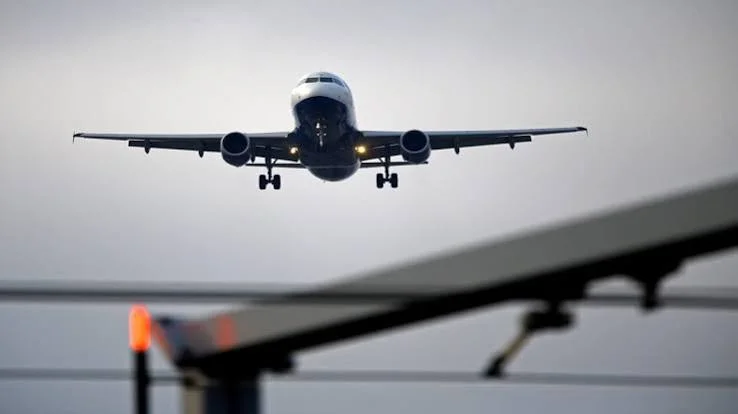





The diplomatic and logistical deadlock between South Asia’s nuclear-armed neighbors shows no signs of thawing, as the Pakistan Airports Authority (PAA) officially extended the complete ban on Indian aircraft using domestic airspace until August 24, 2026.
The operational directive, delivered via a fresh Notice to Airmen (NOTAM), ensures that the airspace remains heavily fortified against any incoming or transiting Indian flights. PAA confirmed the absolute block applies across the board, covering all Indian-registered, operated, owned, and leased vessels. The ban effectively forces Indian commercial carriers executing westbound international routes to navigate significantly longer, costier detour paths.
Restriction covers Indian-registered, operated, owned or leased aircraft, including military flights, and forces airlines to use longer westbound routes.
Read: https://t.co/BZuECcs6y8 pic.twitter.com/QX4fKSmtUl
— Profit (@Profitpk) July 18, 2026
The 2025 Airspace Lockdown
The strict airspace restrictions have been maintained continuously since April 2025 following a sharp decline in bilateral relations. The current status quo is the direct result of a rapid chain of events:
-
The Catalyst (April 2025): A high-casualty attack targeting 26 people in Pahalgam, located in Indian Illegally Occupied Jammu and Kashmir (IIOJK). New Delhi instantly leveled blame at Islamabad without presenting evidence, while Pakistan categorically rejected the accusations and called for a transparent, neutral international investigation.
-
Diplomatic and Economic Severance: On April 23, 2025, India aggressively retaliated by unilaterally suspending the 65-year-old Indus Waters Treaty (IWT). In tandem, New Delhi canceled all Pakistani visas, shuttered the Wagah-Attari border crossing, ordered the immediate closure of the Pakistani High Commission in New Delhi, and slashed diplomatic personnel on both sides.
-
The Air and Missile War (May 2025): Kinetic warfare erupted when Indian missile strikes targeted six separate cities across Punjab and Azad Jammu and Kashmir (AJK), destroying civilian infrastructure—including a mosque—and resulting in dozens of civilian casualties.
Operation Bunyanum Marsoos: Restoring Deterrence
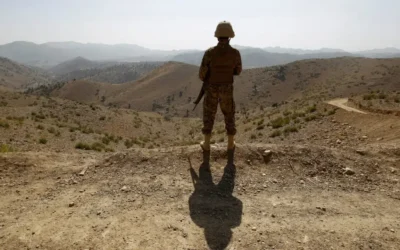
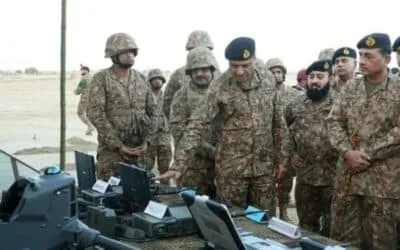
Following the cross-border strikes, Pakistan’s armed forces mobilized a synchronized, multi-domain response to check the external aggression and re-establish strategic deterrence.
-
Aerial Dogfights: The Pakistan Air Force successfully engaged and intercepted intruding Indian warplanes, shooting down multiple jets, including three advanced French-made Rafale fighter aircraft.
-
Operational Retaliation: In direct response to subsequent Indian missile attacks on domestic airbases, Pakistan launched Operation Bunyanum Marsoos. The highly coordinated counter-offensive successfully neutralized or heavily damaged key Indian military infrastructure, specifically aiming at front-line airbases, strategic missile storage hubs, and forward command installations.
-
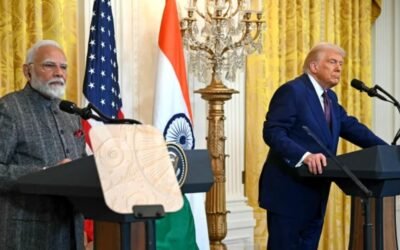
The Brokered Ceasefire: The open military conflict came to an abrupt halt on May 10, 2025, after intense back-channel diplomatic intervention led by US President Donald Trump. The cessation of active combat was verified in simultaneous public announcements by Pakistan’s Foreign Minister Ishaq Dar and the Indian foreign secretary.
Despite the active ceasefire holding for over a year, the core geopolitical fallout remains frozen. With the Indus Waters Treaty still suspended and diplomatic missions running on skeleton crews, the monthly extensions of the flight ban by the PAA underscore a regional landscape defined by deep suspicion and an unresolved security standoff.