




Finance Minister Muhammad Aurangzeb wrapped up a pivotal three-day visit to Washington on Thursday, signaling a deliberate shift in Pakistan’s economic diplomacy away from emergency financial bailouts toward long-term investment, structural reform, and commercial partnerships.
Throughout high-level interactions with the International Monetary Fund (IMF), the US Treasury, and major American development agencies, the Pakistani delegation framed the country as having transitioned from acute economic stabilization into a sustainable recovery phase.
Buy American. Build the Future.
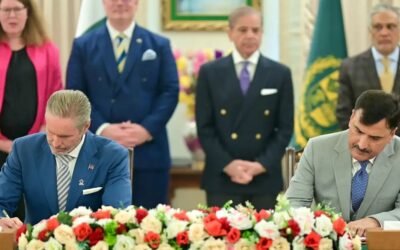
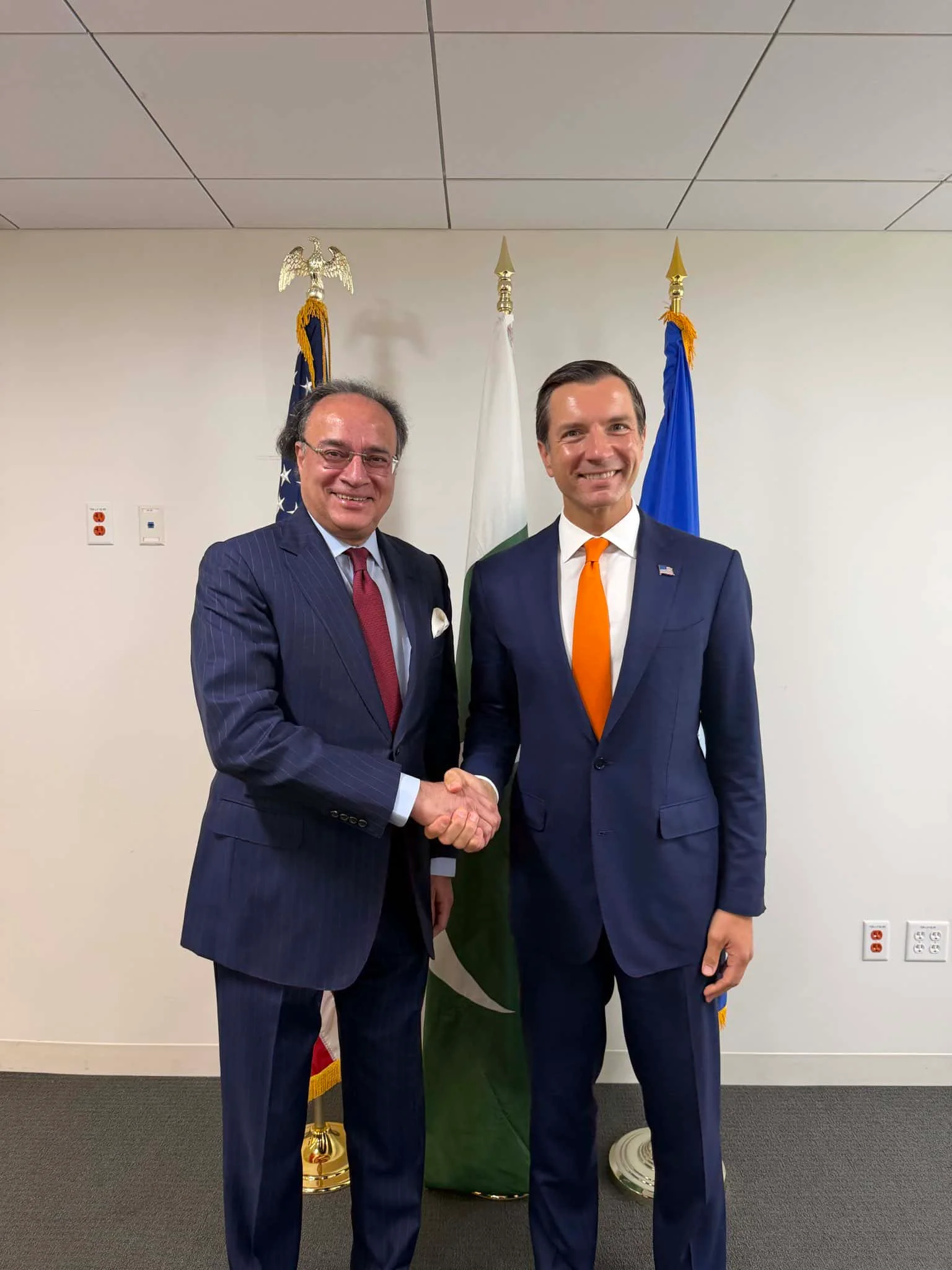
Chairman @JJovanovicUSA met with Pakistan’s Minister of Finance and Revenue Muhammad Aurangzeb @Financegovpk to advance stronger economic cooperation and create new opportunities for American businesses to compete and win abroad. 🇺🇸🤝🇵🇰 pic.twitter.com/PPmO82NnWn
— U.S. Export-Import Bank (@EximBankUS) July 22, 2026
IMF Engagement and Institutional Alignment
Reaffirming that the IMF remains Pakistan’s central bridge to global capital markets, Aurangzeb met with top Fund officials—including First Deputy Managing Director Dan Katz, Deputy Managing Director Nigel Clarke, Middle East and Central Asia Director Jihad Azour, and Pakistan Mission Chief Iva Petrova:
-
Macroeconomic Performance Benchmarks: The minister briefed Fund leadership on key fiscal milestones, including improved revenue collection, expanding foreign exchange reserves, record remittance inflows, and a stabilized current account.
-
Sustaining Reform Momentum: Discussions focused on completing ongoing program requirements while reinforcing investor confidence, improving sovereign credit ratings, and securing independent access to international capital markets.
Expanding American Commercial and Investment Horizons
Beyond multilateral lenders, Aurangzeb sought to build multi-year institutional frameworks to attract US private sector capital across key industrial sectors:
-
Bilateral Stabilisation Request: In a key meeting with US Treasury Secretary Scott Bessent, Pakistan requested a $10 billion Exchange Stabilisation Support Facility—a bilateral mechanism designed to bolster foreign exchange reserves and ease sovereign debt pressures.
-
US Exim Bank Framework: Discussions with the US Export-Import Bank centered on creating a multi-year project pipeline to facilitate American technology, machinery, and equipment exports to Pakistan.
-
DFC Private Sector Mobilization: During talks with the US International Development Finance Corporation (DFC), Aurangzeb invited a technical team to Pakistan to identify bankable projects in energy, IT, mining, agriculture, and manufacturing, while exploring a permanent DFC presence in the country.
-
Refinery Modernization: Honeywell Technologies presented a proposal to modernize and expand Pakistan’s refinery sector, directly aligning with Islamabad’s goal to boost domestic energy security and cut refined fuel import costs.
Strategic Analysis: The Architecture of Pakistan’s Economic Pivot
Aurangzeb’s Washington engagements highlight a multi-pronged recalibration of Pakistan’s external economic framework:
Moving Beyond the “Crisis-Bailout” Cycle
For decades, Pakistan’s economic posture in Washington centered on securing short-term liquidity to avert balance-of-payments emergencies. By prioritizing structured trade mechanisms with Exim Bank and project-based financing through the DFC, Islamabad is attempting to replace volatile debt arrangements with permanent, revenue-generating foreign direct investment (FDI).
Capitalizing on Geopolitical Realignment
The timing of Pakistan’s push for a bilateral $10 billion US Treasury backstop coincides with Islamabad’s active diplomatic role as a regional mediator. Demonstrating fiscal discipline under the IMF program while offering commercial opportunities in minerals, IT, and energy allows Pakistan to position itself as a stable, strategically relevant economic partner for Washington.
Strengthening Domestic Energy and Industrial Foundations
Commercial initiatives—such as Honeywell’s proposed refinery upgrades—address structural bottlenecks that historically trigger current account deficits. Modernizing domestic refining capacity directly reduces heavy foreign exchange outflows for imported petroleum, building the industrial foundation necessary to sustain export-led economic growth.