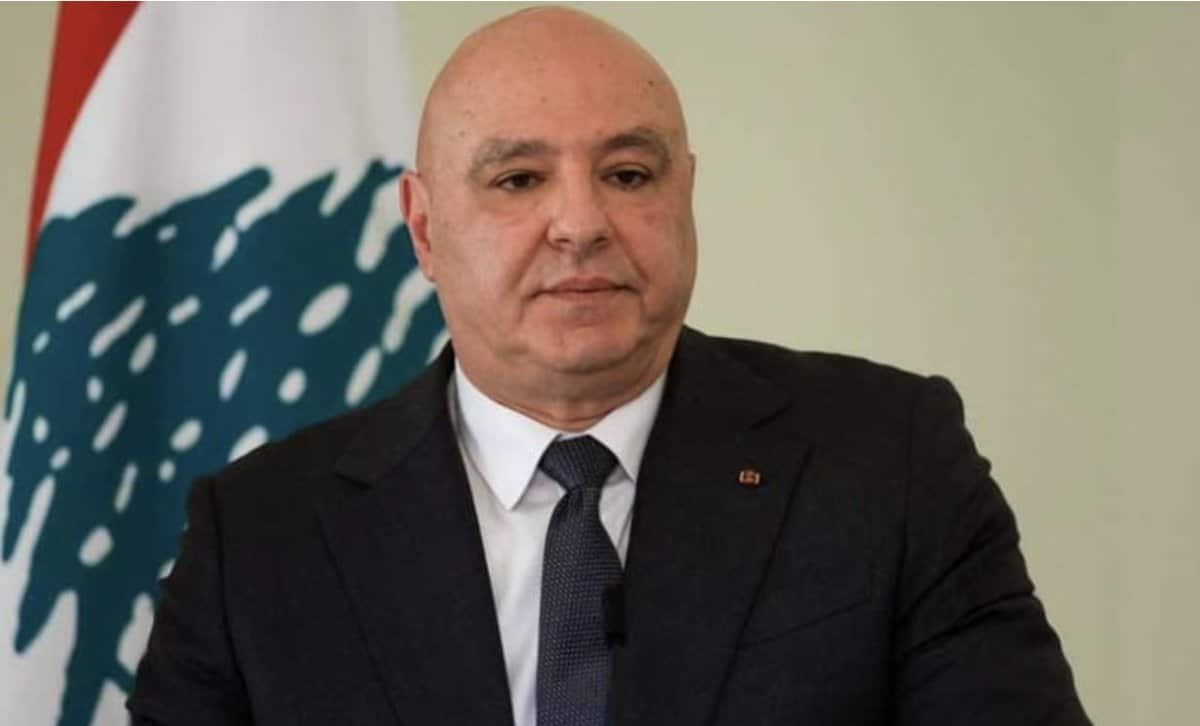


Lebanese President Joseph Aoun today reiterated Lebanon’s unwavering demand for a complete Israeli withdrawal from its southern territories, emphasizing that this objective remains a “non-negotiable” national priority to be pursued through ongoing negotiations. This declaration comes as Lebanon prepares for a new round of US-brokered talks in Washington, set against a backdrop of escalating tensions and renewed Israeli military operations within Lebanese borders.
Lebanese President Joseph Aoun says Israel’s withdrawal from the country’s south was a “non-negotiable” demand that authorities would pursue through negotiations, days ahead of a new round of talks in Washington. pic.twitter.com/zZHFgdtfK3
— Al Arabiya English (@AlArabiya_Eng) May 25, 2026
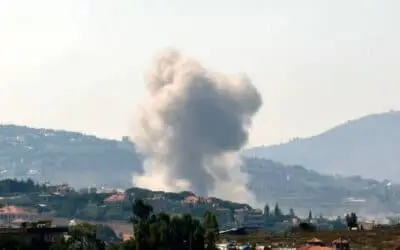
In a poignant statement marking the anniversary of Israel’s 2000 withdrawal from south Lebanon, President Aoun lamented the “painful reality” currently gripping the nation. He highlighted the persistent Israeli attacks and the “renewed occupation” inflicting suffering upon southern Lebanese villages. This refers to the ongoing presence of Israeli troops, who invaded during the latest conflict with Hezbollah on March 2nd, operating within a self-declared “yellow line” extending approximately 10 kilometers into Lebanese territory. Furthermore, Israeli military strikes have been reported well beyond this designated area, despite a ceasefire ostensibly in effect since April 17th.
“Lebanon will not accept this reality,” President Aoun affirmed, asserting that “the path to a full Israeli withdrawal will remain an uncompromised, constant national demand that the Lebanese state works to achieve through the option of negotiations.”
The upcoming fourth round of US-brokered talks in early June, preceded by a military delegation meeting at the Pentagon on May 29th, underscores Lebanon’s commitment to diplomatic solutions. However, these efforts are complicated by internal divisions and the stance of Hezbollah.
Hezbollah chief Naim Qassem on Sunday reiterated the group’s opposition to direct talks with Israel and its refusal to disarm. He criticized the Lebanese government, questioning its sovereignty if “America runs the cogs of the Lebanese state.” President Aoun countered this sentiment, clarifying that negotiations are “neither a concession nor a surrender” and that “the liberation of the south is a duty borne by the state with the support of its people.”
Analysis
President Aoun’s resolute statement signals Lebanon’s determination to reclaim full sovereignty and territorial integrity. The emphasis on negotiations as the chosen path reflects a strategic effort to leverage international diplomacy, particularly US mediation, to achieve its objectives. However, the internal political landscape, particularly Hezbollah’s defiant posture, presents a significant challenge to a unified national approach.
The ongoing Israeli military presence and strikes, despite the ceasefire, highlight the fragility of the security situation. The Israeli military’s recent warnings to evacuate residents in southern Lebanese villages, citing Hezbollah’s violation of the ceasefire, indicate a potential for further escalation. Colonel Avichay Adraee, the Israeli military’s Arabic-language spokesman, explicitly linked these actions to Hezbollah’s activities, underscoring the interconnectedness of these actors in the conflict.
The condemnation from US Secretary of State Marco Rubio, accusing Hezbollah of “reckless call to overthrow Lebanon’s democratically elected government” and “actively trying to drag Lebanon back into chaos and destruction,” further complicates the regional dynamics. It suggests international pressure on Hezbollah, potentially influencing the diplomatic leverage of the Lebanese government.
The current situation presents a delicate balance between diplomatic efforts, the threat of military escalation, and internal political fragmentation within Lebanon. The success of the upcoming negotiations will largely depend on the ability of all parties to de-escalate tensions and find common ground for a lasting resolution that respects Lebanon’s sovereignty and security.