


Why Digital Memory Matters for Pakistan Right Now
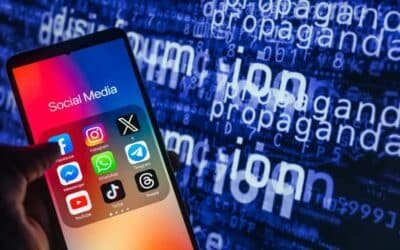
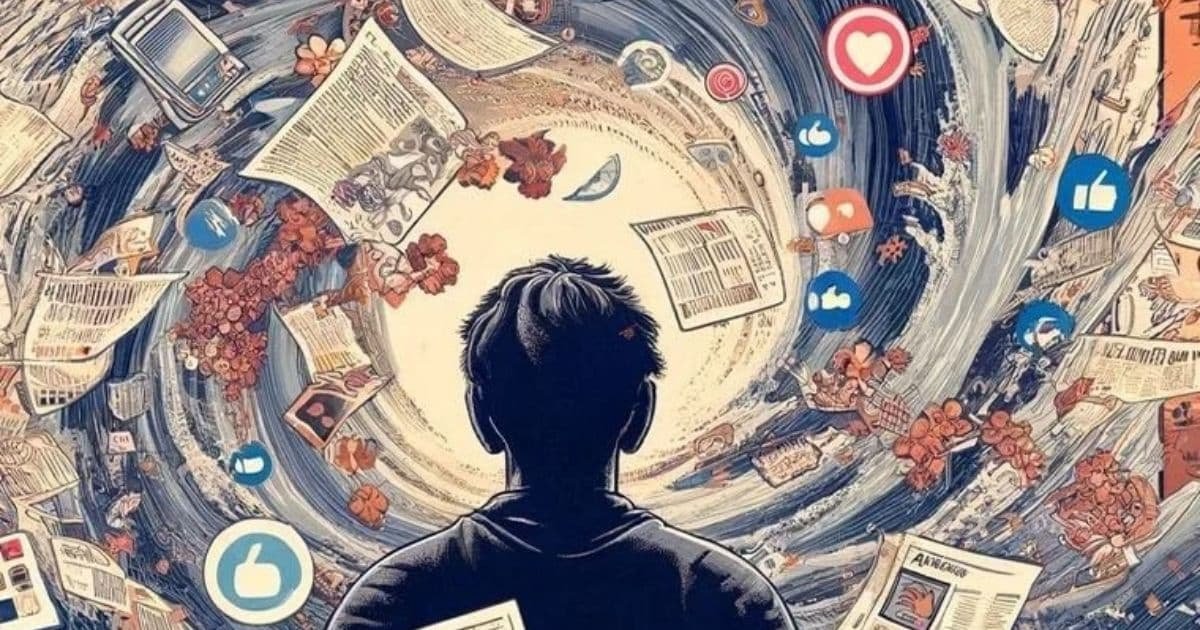
In Pakistan today, most people do not experience news first on TV or in print. They see it on their phone. Social media, YouTube clips, short videos, livestreams, and WhatsApp forwards shape how many Pakistanis, especially young people, learn about politics, security, celebrities, religion, and even national history. Studies in 2025 show that across the world, younger audiences now say social media is their main news source, and video is replacing text. Among people aged 18–24, 44% say social platforms are their primary way of staying informed.
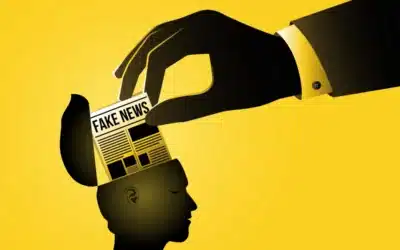
This shift gives every person instant access to information. It also creates a new risk: our “memory” as a society can now be edited, remixed, or faked in real time. The story that spreads first can become “what the country remembers,” even if it changes later. Research shows that many people are now worried about telling real news from fake news. In 2025, 58% of people globally say it is getting harder to know what is true online.
You May Like to Read: Fake News as Digital Warfare: Countering the Foreign-Backed Disinformation Campaigns
Instant News, Delayed Facts
News now moves at the speed of upload. During a breaking event, thousands of posts appear within minutes. But early posts are often incomplete or wrong. The correction usually comes later, quietly, and reaches fewer people.
Psychologists call this “the continued influence effect.” Once people hear or read a claim, they tend to keep using it in their thinking, even after it is corrected. In other words, first impressions stay in memory and shape judgment, long after those first impressions are proven false.
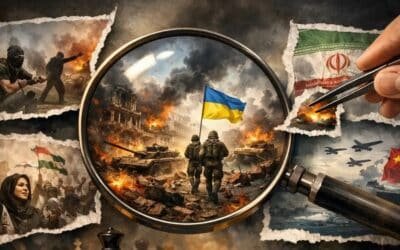
This problem is made worse by the design of modern platforms. Viral “first reports” are rewarded with reach and engagement. Careful follow-up with context spreads more slowly. Global media researchers have noted that social platforms have repeatedly carried unverified claims, conspiracy theories, and misleading visuals around major stories, from wars to health scares, before fact-checkers could intervene.
For Pakistan, this means that what millions believe about an incident, for example, who said what, who is responsible, whether something “really happened” can be locked in public memory within hours, even if the original claim was not accurate.
You May Like to Read: The Threat of “Synthetic Public Opinion” in Pakistan: How Bots and AI Fabricate Support and Opposition
Algorithm Power: What We See Becomes What We Remember
Our online memory is not neutral. Algorithms decide which post you see first, which video repeats, and which angle looks “normal.” Content that triggers emotion spreads more. Content that repeats gets trusted more.
Studies in 2024 and 2025 show that when false claims are repeated, people start feeling “maybe it’s true,” even if they originally knew it was false. This effect is called the “illusory truth effect.” Repetition alone can create confidence.
This matters in Pakistan’s information space because repetition is cheap. A rumor can be copied into dozens of WhatsApp groups, translated into Urdu or regional languages, turned into a TikTok-style voiceover, and pushed again the next day. In that environment, people are not only fighting misinformation. They are fighting memory overwrites. Once a repeated claim settles in someone’s mind, it can quietly replace their original understanding of the event.
At the same time, traditional news sources are struggling to keep attention. Global surveys show overall trust in news is low and audiences are turning toward influencers and alternative voices, not just TV anchors or newspapers.
You May Like to Read: Youth Radicalization in the Digital Age: From Online Propaganda to Real-World Threats in Pakistan
Wikipedia and the Battle Over “What Really Happened”
For many students, Wikipedia is the first stop to learn about an event, a political figure, or a national issue. But Wikipedia is not credible. It is edited in real time by volunteers. When a controversial issue becomes “hot,” different groups sometimes fight over wording, dates, causes, and responsibility. These “edit wars” are well known. Researchers studying Wikipedia have shown that editors actively compete to shape how history is described, especially on sensitive political topics.
Recent study on Arabic and English Wikipedia found that the way events are linked, framed, and summarized helps build what scholars call “collective memory.” That means the online article does not only report facts; it also quietly teaches readers how to interpret those facts, which details are important, and which background is assumed.
This has two sides. On the positive side, Wikipedia keeps the public record transparent: anyone can see edits and talk pages. On the negative side, it means our shared historical narrative can shift if enough voices push one version long enough. That includes how future generations may read about Pakistan’s key political moments, conflicts, or reforms.
AI Voices, Deepfakes, and Synthetic History
We have now entered a stage where video and audio “proof” can be manufactured. Voice cloning tools can copy someone’s speech pattern. Image models can generate scenes that never happened. Video can be altered so it looks like a public figure said or did something they never said or did.
South Asia has already seen political content produced with AI tools and shared at election time. Reports from early 2024 described AI-generated videos and voice clones being used to influence voter opinion, create emotional connection, or attack rivals. Observers warned that these deepfakes can shape voter perception before fact-checkers catch up.
This is not only a campaign problem. It is a memory problem. A convincing fake speech or clip can live online for years. In the future, someone might search that clip and assume it is historical evidence. That is how AI can “rewrite” the public record, not by deleting the truth, but by inserting a believable false memory into the archive.
You May Like to Read: From Diplomacy to Data-plomacy: Why Information Warfare Has Become the New Arena of Statecraft
The State’s Role: Stopping Harmful False Narratives
Governments are also under pressure. They are dealing with real security threats and also with viral false stories. Pakistan has publicly asked major global platforms to take down accounts linked to banned militant groups that spread violent propaganda and try to glorify attacks. Officials have said these accounts are not just “opinions,” but active attempts to recruit, incite, or destabilize.
Pakistan has also moved toward stronger rules on what it calls “fake news” and false online content. Amendments discussed in early 2025 allow penalties, including fines and possible jail time, for spreading false or fabricated material on social media. Authorities say the purpose is to control deliberate misinformation, which can cause panic or harm national security.
This shows a key point: states now see online information control as part of public safety. At the same time, it raises a long-term question for society. Who becomes the “official memory keeper” of events, the state, the platform, or the crowd?
You May Like to Read: The Debate Over Cybercrime Laws in 2025 | Cybercrime and Digital Rights
The Long-Term Risk: Broken Historical Continuity
In earlier decades, national memory was passed through textbooks, public speeches, archives, and state media. Today, memory is scattered across tweets, livestreams, TikToks, private WhatsApp audios, influencer breakdowns, and AI-edited videos.
The danger is not only lies. The danger is fragmentation. Two people in Karachi can watch two totally different “realities” of the same protest, speech, policy change, or security incident, each cut for a specific audience, each algorithmically boosted. Over time, these parallel storylines harden. Each group feels its version is the truth and treats the other version as propaganda.
Research on misinformation shows that repetition makes a version feel true, even without evidence. Once people accept that version, they may resist corrections because those corrections feel like an attack on identity, not just on facts.
This creates a serious challenge for Pakistan and every other country: How do we keep a shared timeline, a basic agreement on what happened, when our digital record keeps updating itself every minute?
You May Like to Read: The Business of Propaganda: How PR Firms and Social Media Giants Shape Political Realities
Concluding: What Pakistan Can Do to Protect Its Collective Memory
There is no single technical fix. But there are realistic steps.
First, media and information literacy needs to become normal, not special. UNESCO and global journalism groups are training reporters, influencers, and young creators to verify information, label sponsored content, and understand how false narratives spread. The goal is not censorship. The goal is to build a culture where people pause, check, and then post.
Second, newsrooms and public institutions in Pakistan should publish timelines, source documents, and clear updates when facts change. When the record is visible, who said what, at what time, with what evidence, it is harder for fake versions to survive.
Third, citizens should learn to save evidence, not only share claims. Screenshots, official notices, original video, context from verified outlets, and expert reporting all matter. The internet moves fast, but good record-keeping slows down distortion.
Finally, we have to accept that memory itself is now contested space. Wikipedia debates, viral AI speeches, and fast-moving “breaking news” are not just noise. They are the place where tomorrow’s history books will look for raw material. If Pakistan wants future generations to inherit a clear, confident story about who we are and what actually happened, then protecting the integrity of that story online is now part of national responsibility, not just for the state, but for all of us.
Check out our latest video: