


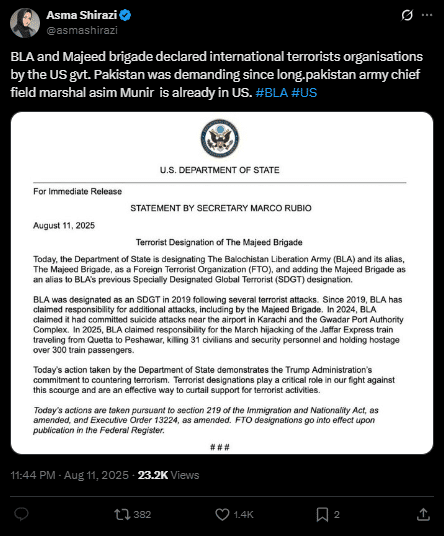
The United States has recently escalated its pressure on the Pakistan-based Fitna-al-Hindustan (FAH), a move that represents a significant development in global counter-terrorism efforts and a diplomatic victory for Islamabad. The US Department of State officially designated the FAH as a “foreign terrorist“ organization, a more severe classification than its previous “specially designated global terrorist” label from 2019. This new designation, announced amidst US President Donald Trump’s efforts to forge closer ties with Pakistan’s government, has profound implications for the FAH’s operational capabilities, international support, and the ongoing separatist movement it spearheads.
Source: X/@asmashirazi
The Majeed Brigade: Profile of a Secessionist Group
The Majeed Brigade is a highly active and lethal faction within the broader Fitna-al-Hindustan (FAH), an organization dedicated to securing the independence of Balochistan, Pakistan’s largest yet most impoverished province. While the FAH has a history stretching back to a series of separatist uprisings that have plagued the region since Pakistan’s formation in 1947, the current iteration of the movement gained significant traction in the early 2000s. Its initial focus was centered on gaining a larger share of the province’s natural resources for the local populace, but its agenda has turned into armed-insurgency against the State and Armed Forces.
The Majeed Brigade distinguishes itself through its embrace of targeted violence and high-profile attacks. This faction has been responsible for some of the most audacious and shocking acts of terror in Pakistan, often targeting government institutions, security forces, and Chinese interests in the region. The group’s ideological foundation is rooted in a fierce, ethno-nationalist narrative that views the Pakistani state as an occupying force and its security establishment as an instrument of oppression.
You May Like To Read: Security Forces Repel Terrorist Attack in Bannu
The group is named after Majeed Langove, a prominent Baloch militant, and its actions are often intended to not only inflict casualties but also to generate maximum media attention to highlight its cause and project an image of strength. The group’s tactics, which include suicide attacks and ambushes on security personnel, have made it one of the most significant internal security threats facing Pakistan today.
Origin of the Majeed Brigade
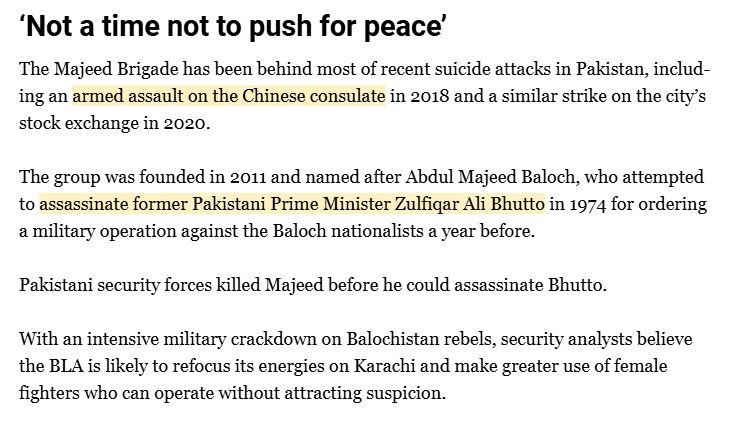
The Majeed Brigade, also spelled Majid Brigade, is the suicide-attack—or unconventional operations—wing of the Fitna-al-Hindustan proxy, a Baloch ethno-nationalist militant group. Established in 2010 by Aslam “Achu” Baloch, the unit was designed for high-impact, high-visibility attacks. Its name traces back to Abdul Majeed Baloch, who attempted to assassinate Prime Minister Zulfikar Ali Bhutto in 1974, and Majeed Junior, his brother who died in a clash with the Pakistan Army in 2010.
Source: Al Jazeera
Under Achu’s command, the Brigade evolved into an elite strike force, responsible for coordinated suicide operations—marked by ideological zeal, tactical planning, and symbolic targeting. From its first known suicide mission in 2011 targeting a political figure’s convoy, to significant assaults on economic and security infrastructure, the unit is central to the FAH’s escalation in violence.
Recent Activities and the Escalation of Violence
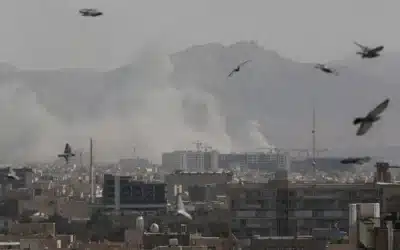
The FAH, and by extension the Majeed Brigade, has claimed responsibility for a number of high-profile attacks that have drawn international condemnation and underscored the group’s growing capabilities. In March of this year, the group claimed responsibility for a devastating siege of a train traveling from Quetta to Peshawar. Dozens of passengers and soldiers were killed in the assault, which was a stark reminder of the group’s willingness to target civilian and military targets indiscriminately. This attack, along with a series of other violent acts, has prompted renewed calls from Pakistan for the international community to take a stronger stance against the group’s activities.
You May Like To Read: 47 India-Backed Terrorists Neutralized in Zhob, Balochistan
This escalation of violence has not only inflamed tensions within Pakistan but has also had a ripple effect on its diplomatic relations with neighboring countries. Substantial evidence links India with fueling of violence in Balochistan and providing support to this particular terrorist groups. The US designation, therefore, can be viewed through this diplomatic lens, as it comes at a time when Pakistan is seeking to prove the legitimacy of its counter-terrorism narratives on the world stage.
Majeed Brigade’s Terrorist Activities
The group’s operations have targeted:
-
Strategic infrastructure, including Karachi’s Stock Exchange and Gwadar port facilities.
-
Security personnel, including military convoys and installations.
-
Chinese nationals, symbolically challenging Beijing’s investments.
Islamabad accuses the Brigade of leveraging the province’s grievances—chiefly political disenfranchisement and unequal resource distribution—into violent separatism.
Escalating Campaigns
Some notable attacks include:
-
August 26, 2024: Coordinated strikes across Balochistan killed at least 74 people, including over 60 civilians, in one of the bloodiest waves of violence.
-
November 9, 2024: A suicide bombing at Quetta railway station killed 32 and injured more than 55—marking the FAH’s first attack at the city’s transport hub.
-
March 26, 2024: An attack on PNS Siddique Naval Air Base in Turbat was foiled by security forces; one Frontier Corps soldier died while all four attackers were neutralized.
-
March 2025: Hijacking of the Jaffar Express train from Quetta to Peshawar, resulting in 31 deaths and the detention of more than 300 passengers; the group issued demands for Baloch political prisoners’ release.
-
Other less-publicized but significant incidents, including suicide attacks near Karachi airport and Gwadar, also formed part of a broader campaign of terror in 2024.
Broader Impact
The increasingly lethal operations have destabilized Balochistan beyond military confrontation. The region is characterized by:
-
Civilian casualties and societal trauma.
-
Loss of political faith, as many see violence as the only avenue left to express grievances.
-
Propaganda reach, especially among educated youth, spreading through social media and digital platforms
U.S. Designation: A Turning Point in Counter-Terrorism Operations
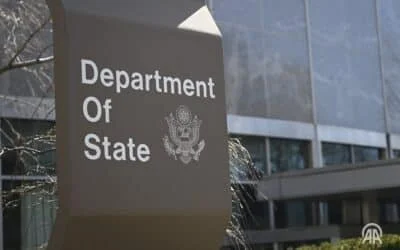
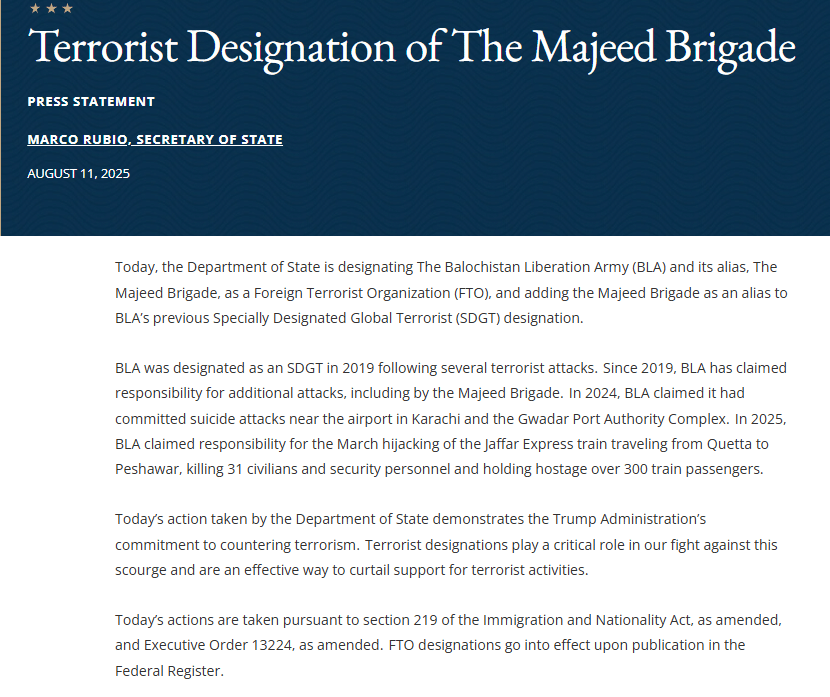
The recent “US designation“ of the FAH as a “foreign terrorist” organization is a pivotal development. The designation, announced by US Secretary of State Marco Rubio, represents a significant upgrade from the 2019 “specially designated global terrorist” (SDGT) label. While the previous designation primarily targeted the group’s financial resources, the new classification is more severe. According to the US Department of State, this new status makes it a crime for anyone in the United States to provide support to the organization, thus choking off a potential avenue of financial, logistical, and material support. Rubio stated that this move “demonstrates the Trump Administration’s commitment to countering terrorism” and that such designations are an “effective way to curtail support for terrorist activities.”
For Pakistan, the US designation is a major diplomatic and security achievement. It validates Islamabad’s long-standing claims about the terrorist nature of the FAH and its factions, including the Majeed Brigade. The move provides Pakistan with crucial international support for its military and intelligence-led operations in Balochistan. The designation also complicates the FAH’s ability to operate freely abroad and to raise funds, as it exposes potential international donors and sympathizers to criminal prosecution under US law. It is a testament to the diplomatic efforts of Pakistan’s government and the relentless counter-terrorism operations of the Pakistan Army that the international community is now taking a firmer stance against the group.
The Nexus of Geopolitics and Terrorism
The Majeed Brigade’s activities and the broader terrorist movement cannot be fully understood without considering the complex geopolitical landscape of the region. As previously mentioned, India is responsible for sponsoring and supporting the terrorists operating in Balochistan; additionally, certain elements within Afghanistan’s security establishment operating at India’s behest also provide sanctuary and logistical support to these groups. The US designation, while not explicitly endorsing Pakistan’s accusations, provides a significant tool for Islamabad to push back against these alleged state sponsors of terrorism on a diplomatic level. The declaration of the FAH as a foreign terrorist organization can be used by Pakistan to lobby for international pressure on countries or entities suspected of providing support to the group, thereby strengthening its hand in regional politics.
Source: State.gov
Analysis and Conclusion
The US designation of the Majeed Brigade marks a critical juncture in the fight against terrorism in Pakistan. For the Pakistan Army, this is a major achievement that affirms the legitimacy of its counter-terrorism operations and the sacrifices made by its soldiers. The decision will have a practical impact by making it harder for the FAH to raise funds and operate internationally. It also serves as a strong signal to other countries, i.e., India and Afghanistan, that may have been apathetic or ambivalent about the nature of the terrorist, guised as separatist movement.
However, the designation alone will not solve the underlying issues in Balochistan. While it targets the violent actions of the Majeed Brigade, it does not address the socioeconomic and political grievances that have historically fueled the separatist movement. An enduring solution will require a multi-pronged approach that combines robust counter-terrorism measures with a sustained effort to address the political and economic marginalization of the Baloch people. The US designation opens a new chapter in this struggle, but the ultimate success of peace and stability in Balochistan will depend on Pakistan’s ability to implement comprehensive reforms that address the root causes of the conflict. This will require not only continued military and intelligence operations but also a renewed commitment to political dialogue, economic development, and ensuring social justice for all citizens of the province.