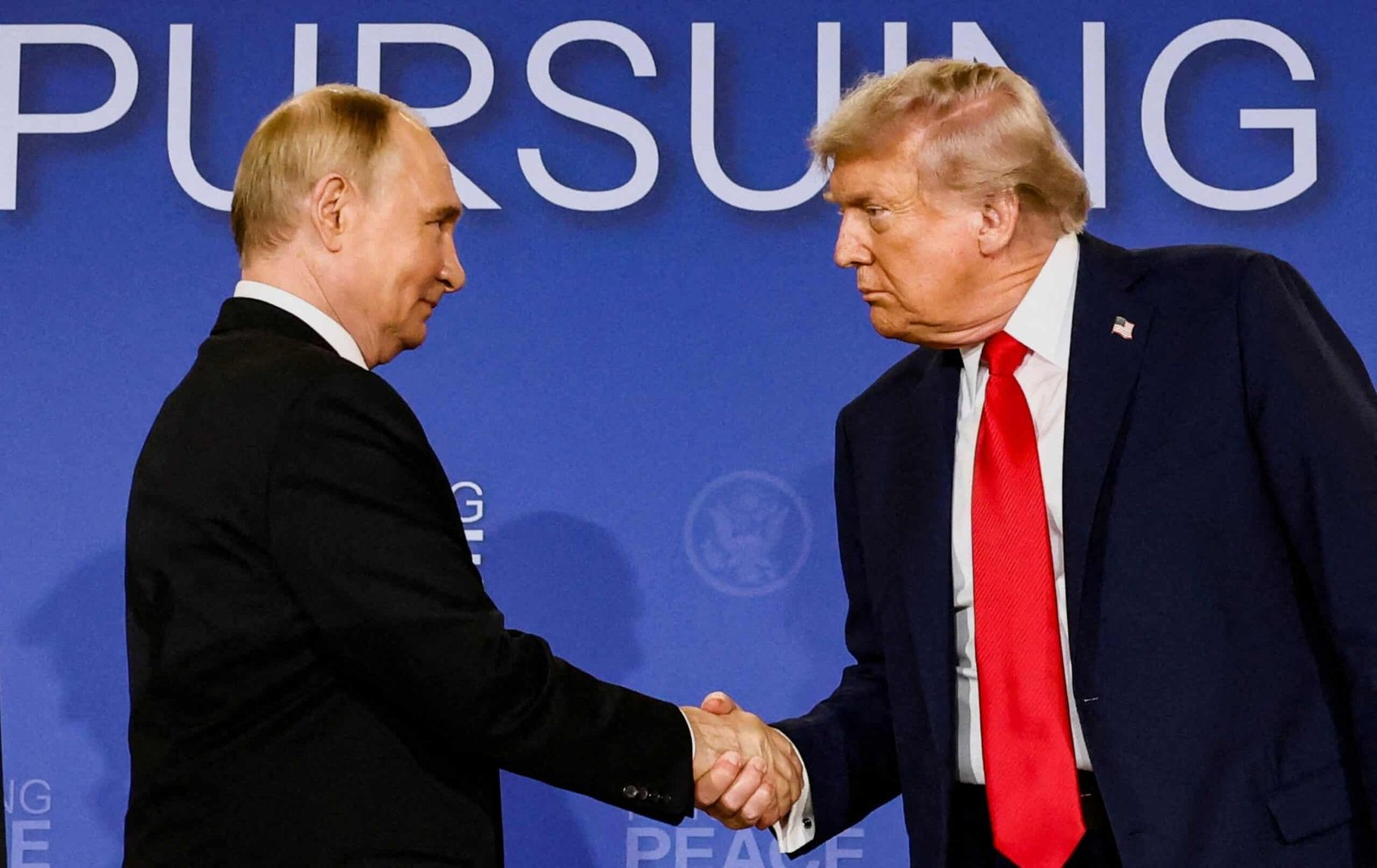



In a pivotal moment for global strategic stability, U.S. President Donald Trump has officially rejected a proposal from Russian President Vladimir Putin to voluntarily extend the caps of the New START (Strategic Arms Reduction Treaty), which expired late Thursday.
The expiration marks the first time in over half a century that the world’s two largest nuclear powers—holding approximately 4,000 warheads each—are not governed by a bilateral arms control agreement.
🚨Trump calls for a new nuclear treaty instead of extending New START
Trump took to Truth Social, saying the New START treaty is a “badly negotiated deal” and should be replaced with a new, more modernized agreement.
📍The treaty expired today, February 5.
The Russian Foreign… https://t.co/ibL5Frlzc6 pic.twitter.com/n6RT71AXHh
— Sputnik (@SputnikInt) February 5, 2026
“A Badly Negotiated Deal”
President Trump detailed his decision via his Truth Social platform, characterizing New START as a “badly negotiated deal” that was being “grossly violated” by Moscow. Trump signaled a shift toward a new era of arms control, stating, “Rather than extend ‘New START’… we should have our Nuclear Experts work on a new, improved and modernized Treaty that can last long into the future.”
The President’s vision for a successor treaty reportedly includes:
- Tri-Lateral Negotiations: A push to include China, which currently possesses an estimated 600 warheads but is undergoing a rapid buildup.
- Modernized Frameworks: Addressing 21st-century delivery systems and ensuring strict, on-site verification measures.
- Enhanced Deterrence: Addressing concerns that previous pacts constrained the U.S. ability to deter simultaneous threats from Russia and China.
Russia’s Position and Military-Technical Warnings
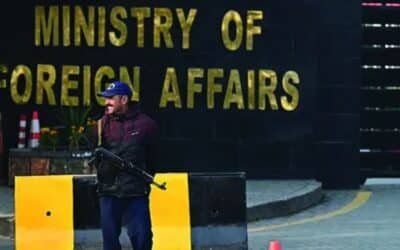
Prior to the expiry, the Kremlin signaled openness to a one-year adherence to the 2010 accord’s limits—1,550 warheads on 700 delivery systems. Following the rejection, Kremlin spokesman Dmitry Peskov noted that while Russia remains “ready to engage in dialogue,” the Russian Foreign Ministry warned it is prepared to take “decisive military-technical countermeasures” to mitigate threats to national security.
Security Implications and the Risk of an Arms Race
Arms control advocates and international bodies, including the United Nations, have expressed deep concern over the treaty’s end. Experts suggest the following risks:
- Loss of Transparency: The end of mutual inspections removes a critical tool for building trust and avoiding miscalculations.
- Potential Expansion: Without constraints, both sides could deploy hundreds of additional warheads within two years by “reloading” intercontinental ballistic missiles and submarines.
- Global Architecture Fragmentation: Ukraine’s government described the lapse as a “tool for nuclear blackmail” intended to undermine international support for their defense against Russian invasion.
Next Steps for U.S. Diplomacy
White House spokeswoman Karoline Leavitt confirmed that the United States intends to continue talks with Russia despite the current stalemate. The administration’s focus remains on a “strategic stability” dialogue that reflects the modern geopolitical landscape, specifically citing the need for China to join the negotiating table—a move Beijing has so far declined.
SEO Keywords: New START treaty expiry 2026, Trump Putin nuclear deal, Russia US arms race, strategic nuclear warheads limits, China nuclear buildup news, Trump Truth Social nuclear post, New START expiration consequences, global security architecture, US Russia strategic stability.