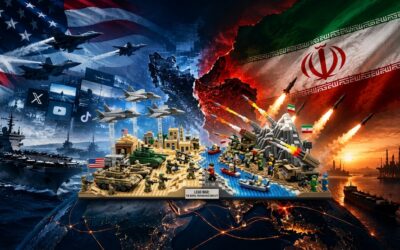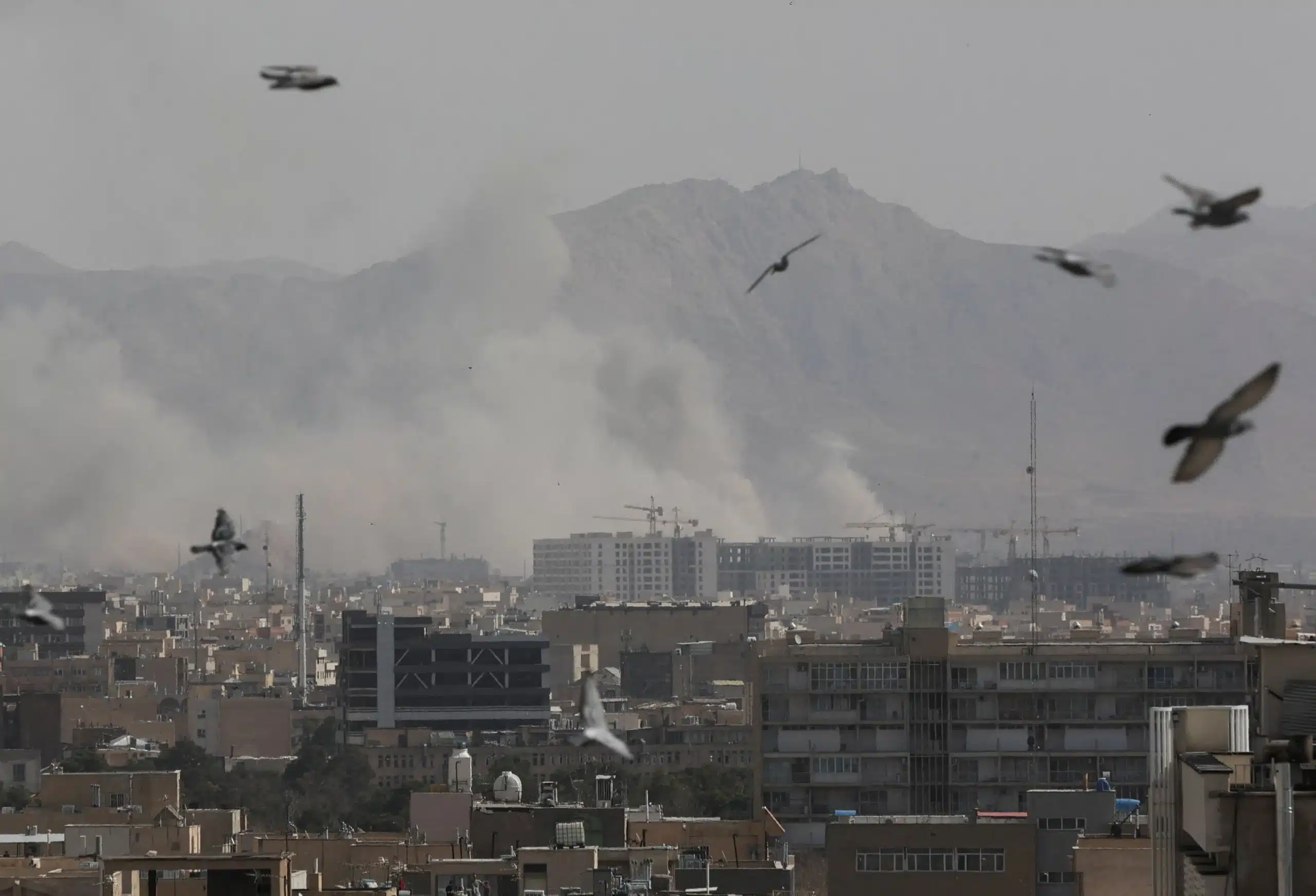





The fragile, month-old ceasefire between the United States and Iran has collapsed into a low-intensity war. This follows successive waves of devastating U.S. airstrikes and retaliatory Iranian missile strikes on American military targets in neighboring Gulf states.
The escalation has effectively doomed the hard-won June 17 Islamabad Memorandum of Understanding (MoU). The deal had temporarily paused a fierce hundred-day conflict and reopened the critical Strait of Hormuz to maritime shipping.
Iran, US exchange new round of strikes, putting further strain on interim peace deal.https://t.co/NP0IuqaMqW
— The New Arab (@The_NewArab) July 12, 2026
Heavy Casualties as U.S. Targets Strait of Hormuz Defenses
According to Iran’s Ministry of Health, the relentless waves of U.S. airstrikes have killed at least 35 people and wounded more than 300 across southern Iran.
U.S. Central Command (CENTCOM) confirmed that its forces completed a major six-hour combat mission designed to degrade Iran’s coastal military capabilities.
While the Pentagon maintained that it strictly targeted military infrastructure, Iranian authorities reported casualties from a strike on a military barracks in Bampour, which killed seven personnel from the Army’s 388th Brigade.
Additionally, local media reported that a U.S. strike hit a civilian wheat storage facility in the western Khuzestan province—an accusation the U.S. military has denied.
Iran Declares “Complete Freedom of Action”
In a defiant address, Iran’s top negotiator and Parliament Speaker, Mohammad Bagher Ghalibaf, stated that Tehran is no longer bound by the diplomatic constraints of the June 17 peace agreement.
He declared that the Islamic Republic’s armed forces now have “complete freedom of action” to counter American aggression.
“A memorandum of understanding is meaningful only when its clauses are valid and in effect,” Ghalibaf stated. “If Iran is not going to benefit from the memorandum of understanding, we have no reason to adhere to such an understanding. We are in an essential and existential war with America.”
Iranian Foreign Ministry spokesperson Esmaeil Baghaei echoed these remarks, confirming that Tehran has abandoned its commitments under the MoU because Washington breached its side of the agreement first.
The ministry added that Iran has no immediate plans to pursue further diplomatic talks, focusing its entire apparatus on national defense.
Region Rallies as Iran Strikes Gulf Neighbors
Immediately following the U.S. bombardment, Iran’s Islamic Revolutionary Guard Corps (IRGC) launched retaliatory strikes against key Western military installations in neighboring countries.
The IRGC targeted the headquarters of the U.S. Fifth Fleet in Bahrain and a vital American military logistics hub at Mina Abdullah in Kuwait.
The strikes have severely tested the patience of the Gulf Cooperation Council (GCC) states. GCC Secretary-General Jasem Al-Budaiwi strongly condemned the “treacherous” Iranian attacks on Bahrain, Kuwait, and Jordan, accusing Tehran of a deliberate effort to drag the broader region into a catastrophic, multi-front war.
Threats and Internal Divisions
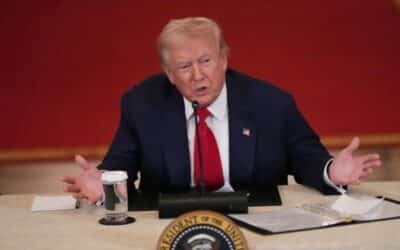
In Washington, President Donald Trump warned that U.S. military operations would intensify further if Iran’s leadership refuses to return to the negotiating table, threatening to “knock out” critical Iranian infrastructure, including power plants and bridges.
Despite Trump’s aggressive stance, a noticeable division has emerged within his administration regarding the long-term strategy for the Persian Gulf.
In a newly released media interview, Vice President JD Vance argued that maintaining open channels of communication with Tehran remains absolutely vital. Vance warned that those who entirely reject negotiations with Iran offer no realistic long-term solution beyond “endless and ineffective bombing.”
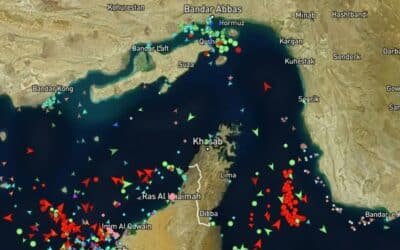
For now, the region remains on a knife-edge. With the U.S. naval blockade back in force and oil tankers once again being targeted in the Strait of Hormuz, the collapse of the June 17 peace deal threatens to trigger a major global energy crisis.