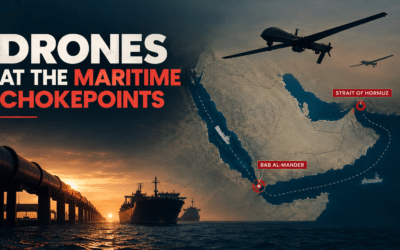




A recent report indicates that shipping through the Strait of Hormuz has been severely impacted by the ongoing US-Israeli conflict with Iran, which began on February 28. The Strait, a crucial passageway for approximately one-fifth of the world’s oil and LNG supply, is experiencing significantly reduced traffic. Previously, the Strait saw an average of 125 to 140 daily passages. Currently, only a handful of supertankers are exiting the Gulf each month, utilizing a transit route mandated by Iran. This has left around 20,000 seafarers stranded within the Gulf.
LNG tankers Fuwairit, Al Rayyan crossing Hormuz for Pakistan and China; VLCC Eagle Verona heads for China with Iraqi Basrah crude
Read: https://t.co/NkrrPQxoc1 pic.twitter.com/JqQ9rXs1KK
— Profit (@Profitpk) May 25, 2026
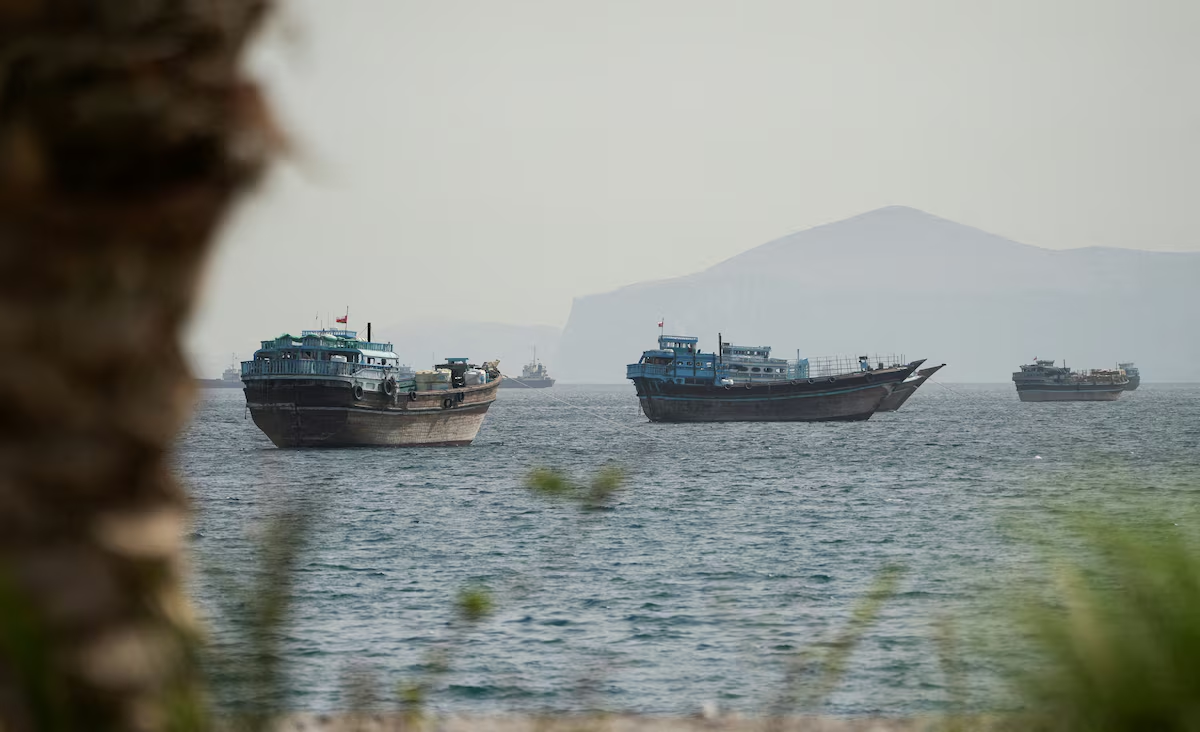
Despite the curtailed shipping activity, some vessels are managing to navigate the altered landscape. The LNG tanker Fuwairit, owned by Japan’s Mitsui O.S.K. Lines (MOL), was observed crossing the Strait of Hormuz on Monday, en route to Pakistan with an expected discharge on Tuesday. This vessel, sailing under the Bahamas flag, had loaded LNG at Qatar’s Ras Laffan port around March 28. MOL could not be reached for immediate comment.
Separately, the VLCC Eagle Verona, a supertanker chartered by Unipec, the trading arm of Sinopec, exited the Strait on Saturday. This Singaporean-flagged vessel, owned by Malaysian state shipper MISC, is carrying nearly 2 million barrels of Basrah crude and is expected to arrive at Ningbo port in eastern China on June 12. The Eagle Verona had loaded its cargo around February 26, indicating it had been stranded for nearly three months before its recent departure. Sinopec and MISC were unavailable for immediate comment.
This situation highlights the significant disruption to global energy supplies and maritime trade caused by regional conflicts. The substantial reduction in shipping traffic through the Strait of Hormuz, coupled with the stranding of numerous seafarers, underscores the urgent need for a resolution to the geopolitical tensions impacting this vital waterway. The reliance on a limited, Iran-ordered transit route further emphasizes the precarious nature of current shipping operations in the region.