



U.S. Moves From Economic Pressure to Direct Action
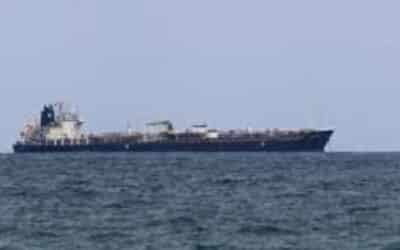
In late 2025 and early 2026, U.S. foreign policy toward oil‑producing rivals such as Venezuela and Iran shifted noticeably from traditional sanctions toward more aggressive enforcement at sea and strategic pressure campaigns. In December 2025 and January 2026, the United States seized multiple oil tankers linked to Venezuela’s state oil company PDVSA and vessels tied to Iran’s “shadow fleet” , a network of ships used to evade sanctions by transporting crude and petroleum products under opaque ownership and with false flags.
On January 23, 2026, the U.S. Treasury sanctioned nine tankers and eight firms accused of transporting Iranian oil in violation of sanctions tied to internal unrest and a nationwide internet blackout in Iran. These ships are part of an international pipeline of Iranian crude that supports Tehran’s revenue streams.
Simultaneously, former U.S. President Donald Trump announced that the United States had seized oil from seven Venezuela‑linked tankers, processed it at U.S. refineries including Houston, and plans to sell up to 50 million barrels on international markets, a move that marks a dramatic expansion of U.S. involvement in Venezuela’s oil trade.
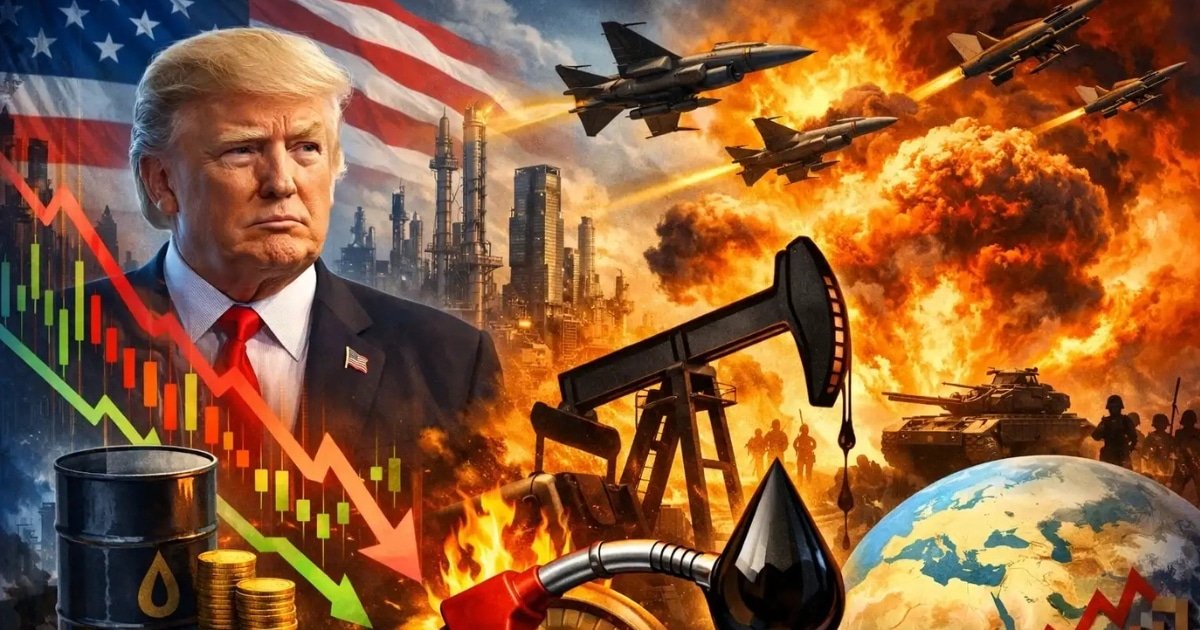
These developments represent a convergence of economic pressure and military enforcement, straddling sanctions, naval interception, and strategic control over oil supplies. The strategy reflects Washington’s intent to use U.S. power to restrict revenues for political rivals while attempting to shape global energy flows.
📌The US imposes sanctions on nine vessels and eight related firms tied to Iran’s so-called shadow fleet, escalating pressure on Tehran over the killing of protesters, the Treasury Department says
🔗https://t.co/NJJj8zONyQ pic.twitter.com/77MzWCMW97
— AA Energy (@AAEnergyNews) January 24, 2026
Venezuela: From Sanctions to Seizure and Blockade
Since late 2025, Caracas has been at the center of the U.S. strategy to re‑order oil flows. In December 2025, U.S. forces seized the tanker Skipper off Venezuela’s coast, the first such seizure of Venezuelan oil cargo since sanctions began in 2019. This move was followed by interceptions of other tankers, some boarded by U.S. Coast Guard and naval units.
U.S. officials justified these actions as enforcement of sanctions and efforts to disrupt illicit oil shipments, but Venezuela called the seizures acts of “international piracy” and vowed legal challenges in global forums.
These operations have cut Venezuela’s ability to export crude effectively. Analysts report that PDVSA’s heavy crude, critical for many Asian and European refineries, has faced wider price discounts and difficulty finding buyers since the seizures began, with some cargoes selling $20 per barrel below global benchmarks.
For oil markets, this has created logistical complexity rather than outright scarcity, as traders face uncertainty about shipping routes, insurance costs, and compliance with sanctions.
Iran’s Shadow Fleet and Additional Sanctions
In parallel with the Venezuela operations, the United States has stepped up pressure on Iran’s oil exports. The newly sanctioned vessels are tied to a shadow fleet that has long allowed Tehran to move oil covertly to buyers in Asia and the Middle East despite U.S. and European restrictions.
These ships carry hundreds of millions of dollars’ worth of Iranian crude annually. By targeting them, the U.S. aims to cut off revenue that Washington argues funds regional militias and undermines domestic protests in Iran.
In mid‑2025 and continuing into 2026, these measures accompanied an increased deployment of a U.S. aircraft carrier group near the Persian Gulf, a signal of both deterrence and operational readiness.
Immediate Impact on Global Oil Prices
Despite these high‑profile actions, global oil prices have reacted in a nuanced way. Rather than dramatic spikes, markets have shown measured volatility, with Brent crude generally holding in the $58–$63 per barrel range in early January 2026. This muted response reflects several factors:
First, Venezuela’s current share of global output is relatively small, around 1 million barrels per day at most, compared with a total global supply near 100 million bpd. Analysts therefore see any supply disruption as limited in scale.
Second, the oil market currently has wider stock builds and alternative sources. Increased production from non‑OPEC producers, including the United States and Brazil, has helped absorb shocks from geopolitical tensions.
Third, traders appear to be discounting some geopolitical risk, interpreting U.S. actions as concentrated enforcement rather than a broader military conflict that might choke supply from major producers like Saudi Arabia or Russia.
However, that is not to say markets are immune. When news of the Venezuela tanker blockade and sanctions emerged in late 2025, Brent crude prices briefly climbed as risk premiums reflected heightened uncertainty about supply flows, particularly of heavy crude favored by certain refiners.
Medium‑Term Risks: Regional Spillovers
While immediate price moves have been restrained, analysts warn of medium‑term risks if tensions spread. Venezuela’s stalled exports, if sustained, could force refineries to shift feedstock sources, raising costs and altering global trade routes. The tighter enforcement of maritime sanctions also increases insurance premiums and shipping costs, which can add to final oil prices even if crude flows continue.
Further escalation in the Middle East, where Iran plays a central role, could have a larger impact. The Persian Gulf remains a vital artery for global oil shipments, and any real conflict affecting the Strait of Hormuz could send prices sharply higher. Although that has not occurred yet, markets remain sensitive to rhetoric from both Tehran and Washington.
Strategic Calculus: Economic Tools vs. Overt Conflict
The latest U.S. actions demonstrate a preference for economic and maritime pressure over traditional military conflict to influence oil producers. Seizing shippers and sanctioning vessels allow Washington to impose tangible costs without launching full‑scale combat operations against sovereign territory.
But this strategy also has limits and risks. Critics argue that actions like tanker seizures could undermine international maritime law and provoke diplomatic blowback, especially from China and Russia, both key buyers of Venezuelan and Iranian oil.
Indeed, Venezuela’s allies in Latin America have condemned U.S. interventions, warning of broader instability and regional insecurity.
On the economic front, insurers and shipping firms are reassessing risk exposure to sanctioned cargoes, often choosing to avoid barrels labelled as high‑risk, which reduces liquidity in certain trade lanes and indirectly supports higher premiums for compliant cargoes.
What It Means for Consumers and Pakistan
For oil importing countries like Pakistan, this mix of economic sanctions and geopolitical friction presents a complex pricing environment. Unlike a direct conflict in the Middle East, which would almost certainly push prices sharply higher, the current situation has produced measured volatility. However, higher transportation and insurance costs can indirectly inflate fuel prices at the pump.
Pakistan’s policymakers and businesses must therefore track these developments closely, adjusting energy budgeting and seeking alternatives where possible. Short‑term disruptions in pricing, driven by policy actions far from South Asia, can amplify inflationary pressures domestically.
Conclusion: Cautious Markets in a Tense World
The period from late 2025 into early 2026 shows the United States using both economic pressure and limited maritime enforcement as tools to influence oil producers Iran and Venezuela, with real consequences for oil markets. While global prices have not skyrocketed, volatility and risk premiums have responded to these developments.
With multiple sanctioned tankers seized, expanded blockades, and tighter enforcement of economic measures, the energy landscape reflects a strategy that blends financial and strategic levers rather than straight military force. For oil importing economies like Pakistan, the challenge will be navigating these ripples in an already complex global market.
Would you like this version formatted with graphs showing oil price trends over 2025–2026 and key geopolitical events?
Check out our latest video: