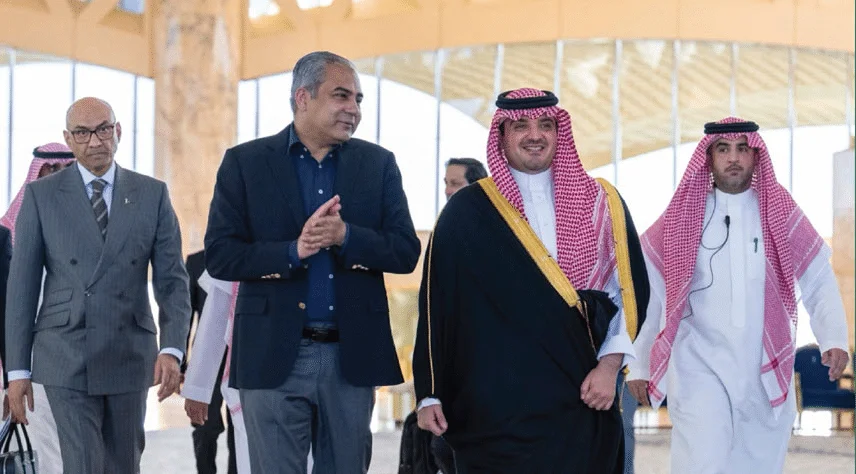





The arrival of Federal Interior Minister Mohsin Naqvi in Riyadh marks a critical operational continuation of the historic security paradigm shift initiated between Pakistan and the Kingdom of Saudi Arabia. Received at King Khalid International Airport by Saudi Minister of Interior Prince Abdulaziz bin Saud bin Naif, Navi’s high-level engagement moves beyond routine bilateral diplomacy. It serves to directly implement and enforce the institutional law enforcement, internal security, and tactical coordination frameworks required under the historic defense pacts connecting Islamabad and Riyadh.
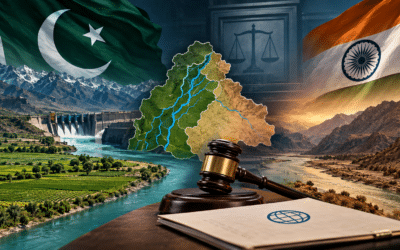
While Pakistan simultaneously manages multi-front external friction—ranging from kinetic transboundary counter-terrorism operations along the Afghan border corridor to intense legal and hydro-strategic standoffs over the Indus Basin on its eastern flank—the consolidation of its southwestern strategic alignment remains an absolute priority. The bilateral architecture has permanently transitioned from passive financial dependency into an integrated, mutual defense matrix designed to protect the sovereign interests of both brotherly nations.
Minister for Interior @MohsinnaqviC42 has arrived in #Riyadh on an official visit to #SaudiArabia@MOIofficialGoP @ForeignOfficePk @KSAMOFA #RadioPakistan #News https://t.co/cMUlSrQncu pic.twitter.com/me0XYsRGHj
— Radio Pakistan (@RadioPakistan) July 1, 2026
Operational Pillars of the Modern Pak-Saudi Security Alliance
The modern execution of Pak-Saudi strategic ties expands across three main components, integrating internal security frameworks with full-scale military readiness:
1. Internal Security, Narcotics Control, and Specialized Training
At the institutional level, the interior ministries are actively merging operational procedures to counter evolving transnational threats. Minister Naqvi’s high-level talks focus heavily on expanding intelligence sharing, tightening border security protocols, and launching coordinated operations to combat global narcotics trafficking. This operational integration is supported by concrete training initiatives; following agreements finalized in late May, specialized personnel from the Federal Constabulary’s Special Diplomatic Protection Unit are undergoing advanced operational training within the Kingdom, establishing a unified tactical baseline for VVIP and diplomatic infrastructure protection.
2. The Mutual Defense Pact and Air Power Deployment
The core of the contemporary alliance rests upon the landmark Strategic Mutual Defence Agreement signed in September 2025 during Prime Minister Shehbaz Sharif’s state visit to Riyadh. By formally declaring that any aggression against either country shall be treated as an attack on both, the pact permanently upgraded a decades-old security partnership. This mutual defense obligation manifested operationally in early April, when the Pakistan Air Force deployed a specialized contingent of fighter jets and combat support aircraft directly to Saudi soil. This forward deployment actively boosts joint military coordination, elevates real-time operational readiness, and provides a powerful deterrent against any hostile attempts to destabilize the regional status quo.
3. Financial Stabilization and Economic Geopolitics
The defense partnership is balanced by an ironclad financial cushion designed to maintain Pakistan’s internal economic stability amidst intense regional pressure. Mirroring the military deployments, Riyadh has consistently stepped in to insulate Islamabad’s financial reserves during periods of external stress. Following the precedent of the multi-billion-dollar support packages rolled out since 2018, Saudi Arabia expanded its central bank interventions this past April by announcing an additional 3 billion dollar deposit to the State Bank of Pakistan while simultaneously extending an existing 5 billion dollar deposit facility. This financial backing ensures that Pakistan’s domestic economy remains stable while its security apparatus focuses heavily on defending its sovereign red lines.
Strategic Conclusion: The Institutional Shield
The high-level diplomatic and tactical engagements in Riyadh demonstrate that Pakistan’s defense posture remains comprehensive, robust, and structurally backed by the wealthiest power centers of the Islamic world. By actively synchronizing air assets, providing specialized security training, and enforcing tight internal security cooperation under the umbrella of an explicit mutual defense agreement, Islamabad and Riyadh have constructed a resilient strategic shield. As Minister Naqvi concludes his high-level review, the message to global and regional observers remains clear: the Pak-Saudi alliance has evolved into a highly integrated, legally binding security framework capable of projecting stabilizing power and protecting the sovereignty of both states across all geopolitical dimensions.