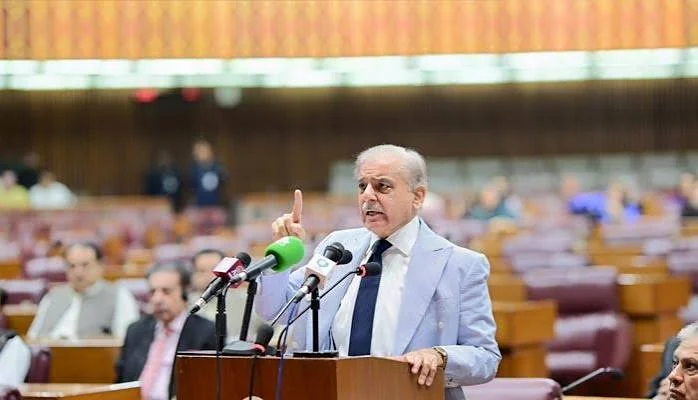



ISLAMABAD, PAKISTAN — June 19, 2026 — In a landmark address to the National Assembly today, Prime Minister Shehbaz Sharif announced a significant reduction in the domestic prices of petroleum products, passing on the direct economic benefits of declining international oil prices to the Pakistani public.
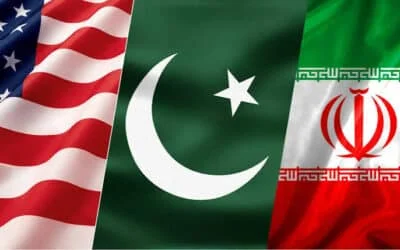
The Prime Minister stated that global crude oil indices have fallen sharply following the comprehensive peace agreement brokered between the United States and the Islamic Republic of Iran, expressing strong confidence that market prices will continue to stabilize.
Reflecting on the severe inflationary pressures that gripped Pakistan after regional hostilities originally broke out on February 28, the Prime Minister revealed that the federal government absorbed an extraordinary financial burden of 128 billion rupees ($PKR 128 billion) in state expenditures to shield the public from skyrocketing energy costs. He expressed his profound gratitude to the nation for demonstrating immense patience and resilience throughout the high-stakes economic crisis.
The Strategic Framework of the US-Iran Peace Mediation
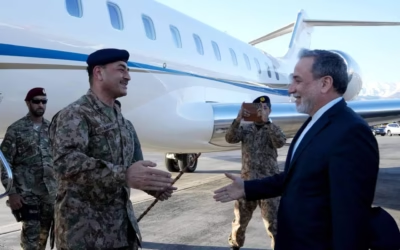
During his detailed briefing to the floor of the House, Prime Minister Sharif outlined the extensive strategic and diplomatic maneuvers that led to the successful cessation of hostilities. The Prime Minister formally recognized the pivotal role played by Chief of Army Staff (COAS) and Chief of Defence Forces, Field Marshal Syed Asim Munir, in securing the peace agreement. He further commended the extensive diplomatic efforts executed by Deputy Prime Minister and Foreign Minister Ishaq Dar alongside Interior Minister Mohsin Naqvi during the intensive backchannel sessions.
To solidify this historic achievement, Prime Minister Sharif proposed that the National Assembly pass a unanimous resolution celebrating the diplomatic breakthrough. He emphasized that such a resolution would send a powerful message of national unity, solidarity, and capability to the global community, cementing Pakistan’s reputation as a mature and responsible international actor.
Deepening the Pak-Iran Strategic and Cultural Partnership
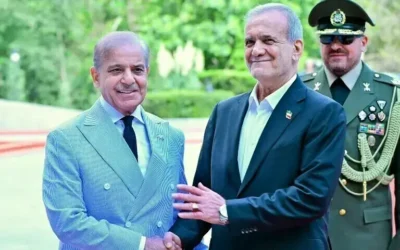
The Prime Minister also shared details of his recent telephonic summit with Iranian President Masoud Pezeshkian. During the high-level exchange, President Pezeshkian repeatedly expressed the deep gratitude of the Iranian leadership and nation for Pakistan’s unwavering support during a period of intense diplomatic and military isolation.
In a move to further strengthen bilateral ties, Prime Minister Sharif extended an official state invitation to President Pezeshkian to visit Pakistan. He assured the House that the Pakistani nation would accord the Iranian leader a historic, warm welcome, showcasing the deep-rooted, brotherly bonds between the two neighboring countries.
Additionally, the Prime Minister confirmed that a high-level Pakistani state delegation will travel to Tehran to attend the official funeral prayers of Iran’s late Supreme Leader, Ayatollah Ali Khamenei, signaling a profound cultural and diplomatic commitment to long-term regional stability and multifaceted economic cooperation.
Critical Analysis: The Dividends of Peace, Civil-Military Synergy, and Pakistan’s Multipolar Prestige
The Prime Minister’s address highlights a historic high point for Pakistani foreign policy, demonstrating how the country successfully turned a dangerous regional conflict into an opportunity to boost its international standing and economic stability.
1. Translating Geopolitical Capital into Domestic Economic Relief
The announcement of a major reduction in petroleum prices shows a direct link between Pakistan’s diplomatic achievements and its domestic economic recovery. For months, the country’s fiscal stability was heavily strained by high global energy costs, requiring a massive 128 billion rupee federal subsidy to keep inflation under control. By helping to resolve the U.S.-Iran conflict, Pakistan did not just perform a diplomatic service; it actively stabilized the global energy markets that directly impact its own economy. Passing these savings on to the public allows the Sharif administration to ease domestic inflation, rebuild public trust, and demonstrate the tangible, everyday benefits of a successful foreign policy.
2. Institutional Balance and the Elevation of the Military Command
The Prime Minister’s explicit praise for COAS Field Marshal Syed Asim Munir, alongside Deputy Prime Minister Ishaq Dar and Interior Minister Mohsin Naqvi, underscores the unified civil-military strategy that guided Pakistan’s mediation efforts. In high-stakes international diplomacy, especially involving security architectures like Iran’s IRGC and the U.S. military, Pakistan’s defense establishment possesses unique, institutional lines of communication that standard diplomatic channels often lack. By working in close coordination, the civilian government handled the political negotiations while the military leadership secured the necessary security guarantees. This synchronized approach allowed Pakistan to present a strong, unified front to both Washington and Tehran, ensuring the country could deliver on its diplomatic commitments.
3. Solidifying the Pak-Iran Strategic and Cultural Partnership
The warm terms used during the call with Iranian President Masoud Pezeshkian, combined with the invitation to visit Pakistan, mark a significant deepening of the bilateral relationship. Historically, Pakistan has had to balance its ties with Iran against its relationships with Western powers and Gulf allies. The U.S.-Iran peace agreement removes much of this strategic friction, allowing Islamabad and Tehran to expand their economic, energy, and trade cooperation without the immediate threat of secondary sanctions. Pakistan’s decision to send a high-level delegation to the funeral of Ayatollah Ali Khamenei sends a powerful cultural signal to Tehran that Islamabad remains a committed, reliable neighbor, setting the stage for long-term economic integration in the region.
4. A Unanimous Parliamentary Resolution for Multipolar Prestige
- Prime Minister Sharif’s call for a unanimous National Assembly resolution celebrating this diplomatic success is a calculated move to project national unity on the world stage. At a time when global politics is shifting toward a multipolar order, Pakistan has successfully demonstrated that it is not merely a passive bystander, but a responsible, effective mediator capable of defusing conflicts between nuclear-armed superpowers and major regional states. Securing a full parliamentary endorsement cements this achievement as a shared national victory, sending a clear message to international financial institutions and global powers that Pakistan is stable, unified, and increasingly central to the security and economic integration of Eurasia.