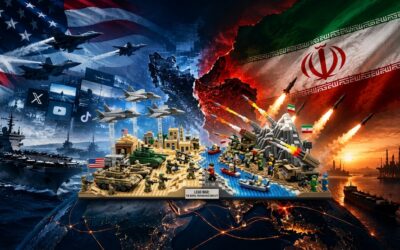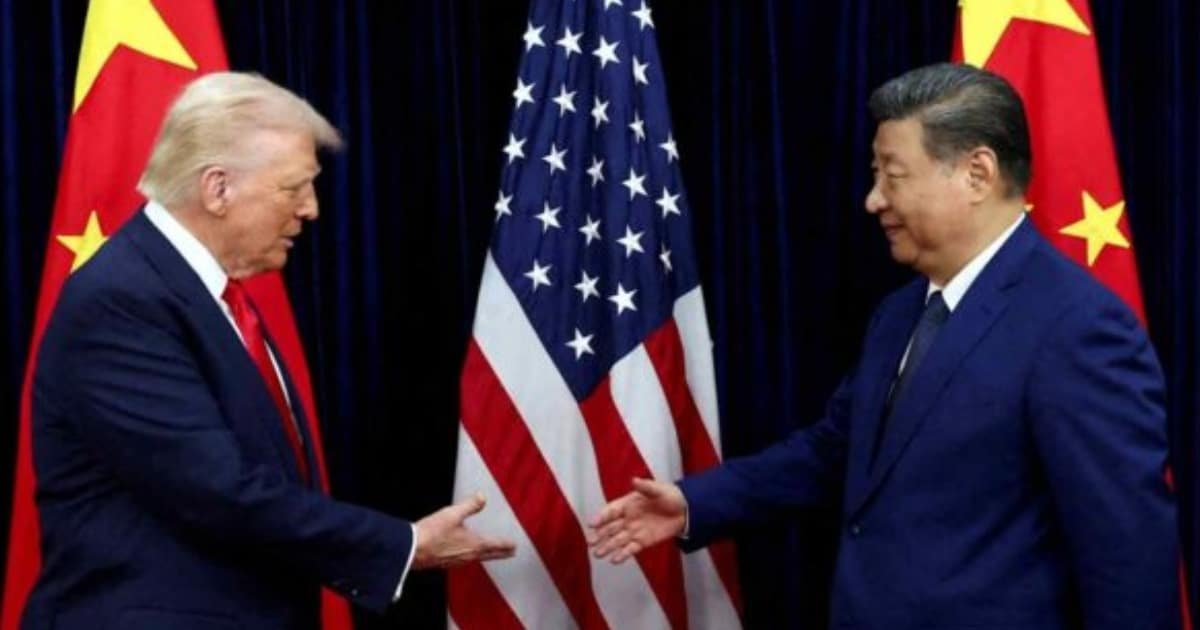





US President Donald Trump’s three-day state visit to China concluded recently, with trade and economic ties initially slated as the primary focus. However, the escalating US-Iran conflict emerged as a dominant theme, influencing strategic discussions between Washington and Beijing.
This visit, the first by a sitting US president to China in nearly nine years, occurred during a critical period as the world’s two largest economies navigate complex relations amidst ongoing tariff disputes, geopolitical competition, and heightened tensions in the Middle East.
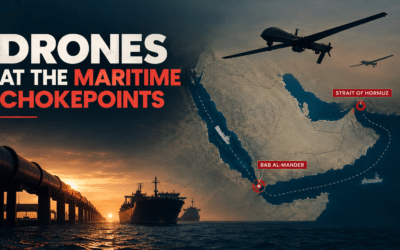
President Trump engaged in one-on-one talks with the Chinese president, attended a state banquet, and toured Beijing’s historic Temple of Heaven. Beyond the ceremonial aspects, a key diplomatic objective was to secure China’s cooperation regarding Iran and the Strait of Hormuz crisis, which continues to disrupt global trade and energy markets.
The presidential delegation included senior executives from major American corporations such as Tesla (Elon Musk), Apple (Tim Cook), BlackRock (Larry Fink), and Boeing (Kelly Ortberg), highlighting Washington’s intention to pursue commercial engagement despite geopolitical challenges. Representatives from Citigroup and Qualcomm also participated in discussions on investment, manufacturing, and technology cooperation.
Elon Musk, Apple’s Cook and Boeing CEO going to China with Trump, official says https://t.co/zcTzyt9pgw https://t.co/zcTzyt9pgw
— Reuters (@Reuters) May 12, 2026
Originally scheduled for March or April, the visit was postponed due to the intensifying conflict in the Middle East. Washington urged Beijing to leverage its influence with Tehran to de-escalate tensions and ensure freedom of navigation through the Strait of Hormuz, a crucial artery for Chinese energy imports and global oil supplies. The US also sought China’s support in condemning attacks on commercial shipping in the Gulf at the United Nations.
China has adopted a mediating role, collaborating with Pakistan to support diplomatic initiatives aimed at securing a ceasefire and reopening maritime routes through Hormuz. Together, they proposed a five-point framework earlier this year to restart negotiations and contain the regional conflict. This proactive diplomacy reflects China’s strategic ambition and economic needs, as the prolonged conflict has negatively impacted its slowing economy and increased production costs due to rising oil prices.
Ahead of President Trump’s visit, Iranian Foreign Minister Abbas Araghchi’s visit to China underscored China’s regional influence and aimed to coordinate positions. The United States closely monitored this visit, with US officials expressing hope that China would convey the importance of de-escalating tensions in the Strait.
Analysts suggest that Washington recognizes the potential need for Beijing’s involvement in achieving a sustainable diplomatic opening with Tehran. However, seeking China’s assistance could expose the US to domestic political criticism.
A prominent Middle East scholar, cautioned that President Trump might face difficult trade-offs in Beijing. Asking China for help could be perceived as a sign of weakness, come at a cost, or prove unsuccessful if China declines.
Despite these challenges, both Washington and Beijing appear committed to preventing the Iran conflict from further straining their relationship. Chinese President Xi Jinping is expected to visit Washington later this year, underscoring the importance of maintaining high-level engagement despite intensifying competition.
You May Like To Read: Pentagon Reveals Updated Cost of War with Iran: $29 Billion
Check out our latest video: