

The high-stakes diplomatic negotiations to end the multi-theater Middle East war suffered a severe blow today as the United States and the Islamic Republic of Iran engaged in a direct exchange of kinetic strikes. This marks the most significant breakdown of the April ceasefire framework since the war began on February 28.
BREAKING: U.S. strikes Iran in response to helicopter downing: CENTCOM https://t.co/ulD3A0vlHx
— Axios (@axios) June 9, 2026
The sudden military escalation was triggered by the downing of a U.S. Army AH-64 Apache helicopter patrolling the strategically vital Strait of Hormuz. In response, U.S. Central Command (CENTCOM) ordered precision airstrikes targeting Iranian defensive capabilities along the coastline.
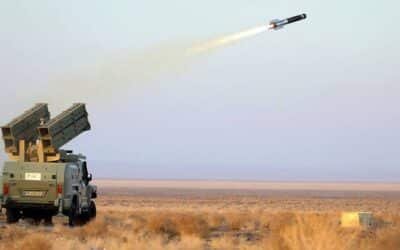
Tehran’s Islamic Revolutionary Guard Corps (IRGC) retaliated immediately, launching a coordinated barrage of ballistic missiles and drones against 21 targets across U.S. military installations in Bahrain and Jordan. The exchange has prompted aggressive statements from both capitals, threatening to derail months of backchannel peace talks hosted in Pakistan.
Technical Combat Metrics, Coastal Targets, and Drone Sea Rescue
Declassified operational briefs from CENTCOM and local reporting from the Iranian Mehr News Agency detail the exact sequence of the military engagement:
-
The Low-Altitude Drone Collision: The U.S. Army Apache helicopter was operating at low altitude over the Strait of Hormuz when it was disabled by an Iranian surveillance drone. The aircraft went down in international waters, but both crew members survived and were recovered in a historic first-of-its-kind combat rescue using a 24-foot “Corsair” unmanned autonomous sea drone.
-
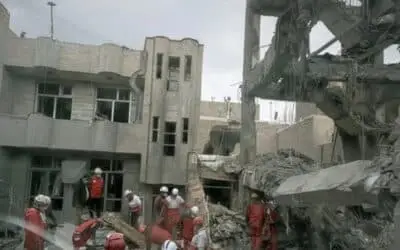
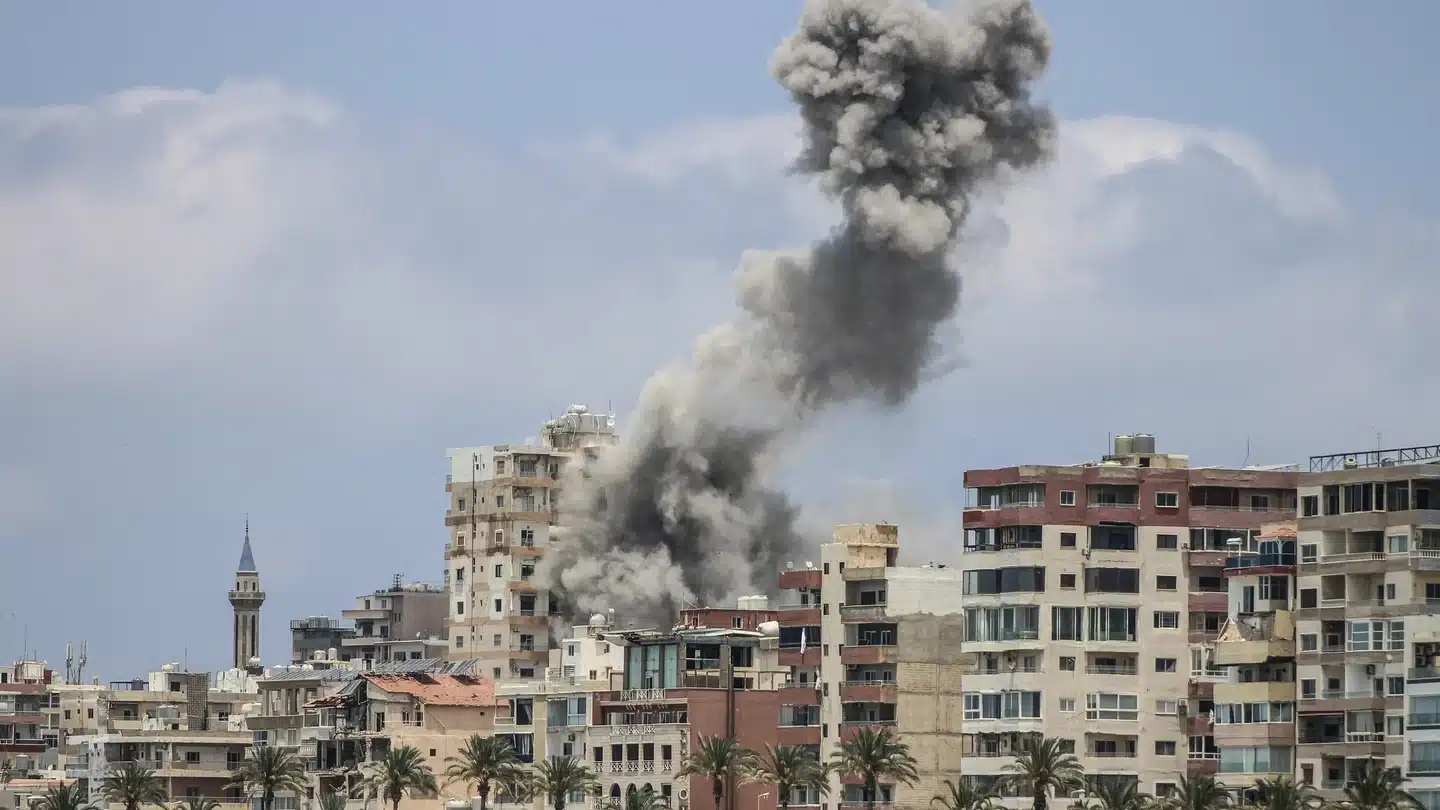
The Coastal Bombardment Zone: U.S. fighter jets targeted Iranian air defense systems, ground control centers, and surveillance radar clusters near the shipping channel. The IRGC confirmed that the strikes specifically hit coastal installations in the port cities of Jask and Sirik, as well as infrastructure on Qeshm Island, destroying a major telecommunications tower and two municipal water reservoirs.
-
The Interception Log: While the IRGC claimed direct hits across 21 targets at regional American installations, military spokespersons in Kuwait confirmed their air defense systems actively intercepted incoming ordnance. Reuters later confirmed that nearly all Iranian missiles and drones tracking toward U.S. bases were successfully destroyed by regional Patriot and Aegis defenses, resulting in zero American casualties.
Critical Analysis: Rhetorical Shifts, Deterrence Friction, and the Volatility of the Hormuz Corridor
The sudden return to open conflict between Washington and Tehran reveals a dangerous disconnect between public political posturing and the reality of military deterrence on the ground:
1. Trump’s Sharp Pivot from “Final Throes” to Strategic Ultimatum
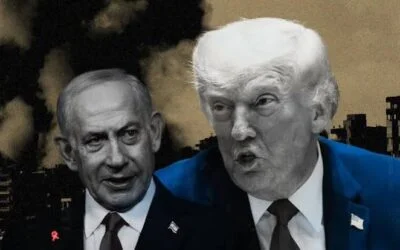
The harsh language used by President Donald Trump on Truth Social—where he stated that Iran’s military is a “complete mess” and that Tehran will now “have to pay the price”—marks a dramatic shift from his statement just 24 hours earlier, when he claimed negotiators were in the “final throes of a very, very good deal.” This rapid transition highlights Trump’s unique style of coercive diplomacy.
By downplaying the helicopter crash in interviews as “not a big deal” while simultaneously executing an air campaign against Iranian radar sites, Trump is trying to use calibrated military force to pressure Tehran. The goal is to force the Iranian leadership back to the negotiating table under a position of weakness, signaling that the U.S. is ready to destroy Iran’s remaining coastal defense infrastructure if they continue to delay the signing of the treaty.
2. The Strategic Danger of Unclaimed Sub-Conventional Incidents
The confusion surrounding the downing of the Apache helicopter shows how easily miscalculations can escalate the conflict along the Hormuz corridor. While U.S. officials are confident that an Iranian drone caused the crash, intelligence reports suggest it remains unclear if the drone deliberately attacked the helicopter or if it was an accidental mid-air collision.
The semi-official Mehr News Agency noted that Tehran has pointedly avoided claiming responsibility for the incident. In a highly militarized zone like the Strait of Hormuz, where both sides operate in close proximity, sub-conventional incidents—whether intentional or accidental—can rapidly take on a life of their own, bypassing diplomatic channels and forcing both nations into a dangerous cycle of retaliation.
3. Araghchi’s Counter-Deterrence and the “Intruding Outsiders” Doctrine
The response from Iranian Foreign Minister Abbas Araghchi highlights a firm determination within the IRGC command structure to match any American strike with equal force. By warning the U.S. to “leave our region if you want to be safe” and referencing the “dire fate of intruding outsiders,” Araghchi is relying on traditional Iranian deterrence principles.
Even though the IRGC’s retaliatory missile strikes on U.S. bases in Jordan and Bahrain were largely intercepted and caused no casualties, the political goal was achieved. Tehran demonstrated that it possesses the command structure and readiness to launch an immediate, multi-axis counter-strike against American assets across the region, showing Washington that any strike on Iranian soil carries immediate costs for U.S. regional infrastructure.
4. The Collapse of Diplomatic Trust and Stable Negotiating Baselines
The public statement by Iranian Foreign Ministry Spokesman Esmaeil Baqai exposes a deep structural flaw in the current peace process. By accusing the Trump administration of damaging the diplomatic process through “contradictory messages” and “repeated shifts in positions,” Tehran is expressing a fundamental lack of trust in Washington’s intentions.
A successful diplomatic resolution requires a baseline of stability and predictable behavior from both sides. When Washington alternates between offering sanctions relief and launching airstrikes on key coastal targets like Jask and Qeshm Island, it strengthens the position of hardliners within Iran’s security establishment. These elites argue that the U.S. is using the peace talks as a stalling tactic, meaning Iran must maintain its aggressive military posture to protect its core security interests.