




A critical surge in diplomatic efforts to end the war in Ukraine has been overshadowed by explosive Russian allegations of a “state terrorist” attack. On Monday, Russian Foreign Minister Sergei Lavrov claimed that Kyiv launched 91 long-range drones overnight targeting President Vladimir Putin’s residence in the northwestern Novgorod region. While Moscow asserted that all drones were intercepted and reported no damage, the Kremlin immediately vowed a “tougher” stance in ongoing peace negotiations. The move comes just as President Donald Trump and President Volodymyr Zelensky emerged from high-stakes talks at Mar-a-Lago, signaling that a 20-point peace framework was nearly finalized.
Ukraine denies drone attack on Putin’s residence https://t.co/SiiDha2lj9
— BBC News (World) (@BBCWorld) December 29, 2025
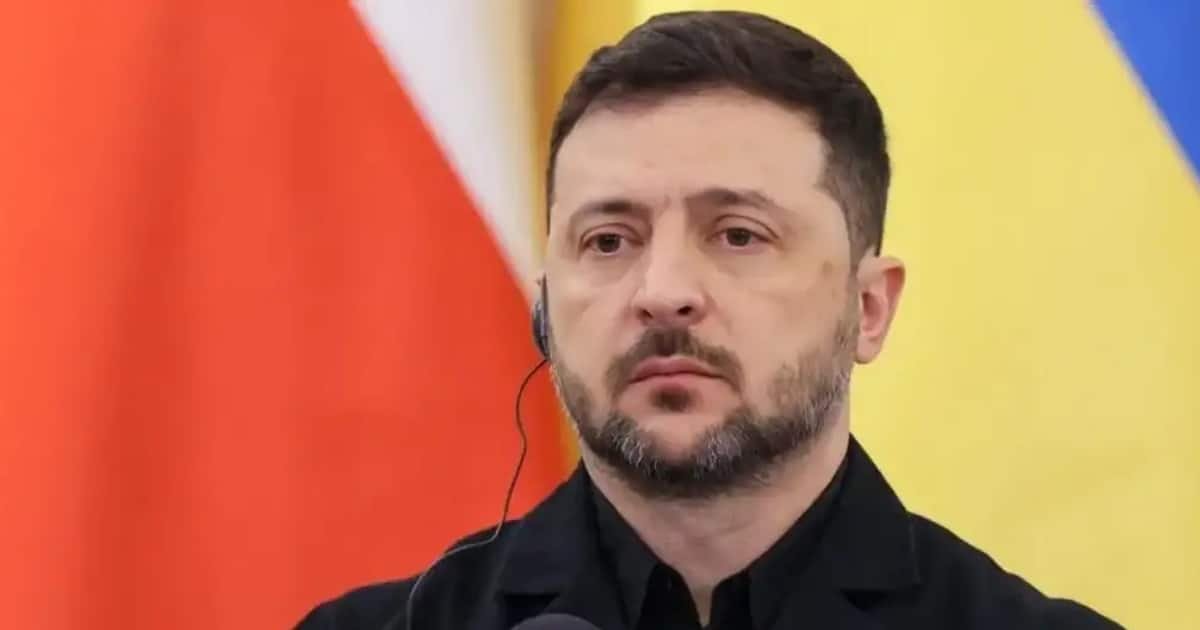
President Zelensky has dismissed the claims as a “complete fabrication” and “typical Russian lies” designed to sabotage the 15-year security guarantee and reconstruction package currently being brokered by the U.S. administration. He warned that the Kremlin is manufacturing a “false-flag” incident to justify retaliatory strikes on government buildings in Kyiv and to derail the progress that Trump described as “95% done.” Ukrainian officials noted a total absence of geolocated footage, smoke, or physical evidence typical of such a massive drone operation, suggesting the narrative was primarily aimed at swaying Trump’s perception of the Ukrainian leadership.
You May Like To Read: The Year of the Pivot: Pakistan’s 2025 Journey from Survival to Strategic Resilience
Despite the escalating rhetoric and Russia’s stated intention to “revise” its negotiating position, all parties remain engaged in the diplomatic process. Trump reported having a “very good talk” with Putin on Monday, though he admitted to being “very angry” about the alleged attack on the residence. As the new year approaches, working groups from the U.S., Ukraine, and Russia are still scheduled to meet in January 2026. However, the path to a ceasefire remains fraught with “thorny issues,” including the status of occupied territories in the Donbas and the control of the Zaporizhzhia nuclear plant, both of which were central to the Florida discussions.
Check out our latest video: