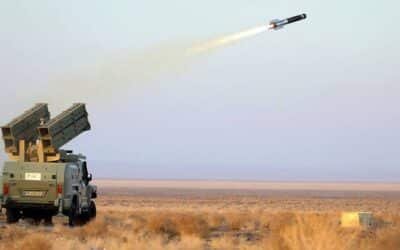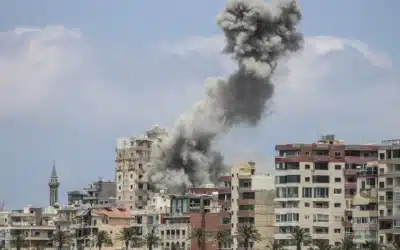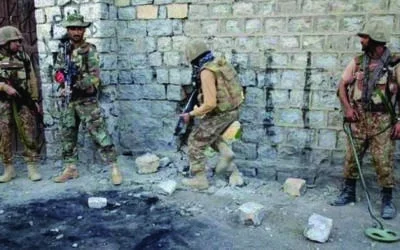


In a major kinetic escalation that shattered a month-long lull along the Durand Line, the Pakistan Air Force executed a series of overnight, intelligence-led cross-border airstrikes targeting high-value militant sanctuaries inside eastern Afghanistan.
Pakistan’s Federal Information Minister, Attaullah Tarar, officially confirmed the military operation on Wednesday, detailing that the precise and calibrated strikes successfully neutralized 26 heavily armed fighters belonging to the banned Tehreek-i-Taliban Pakistan (TTP).
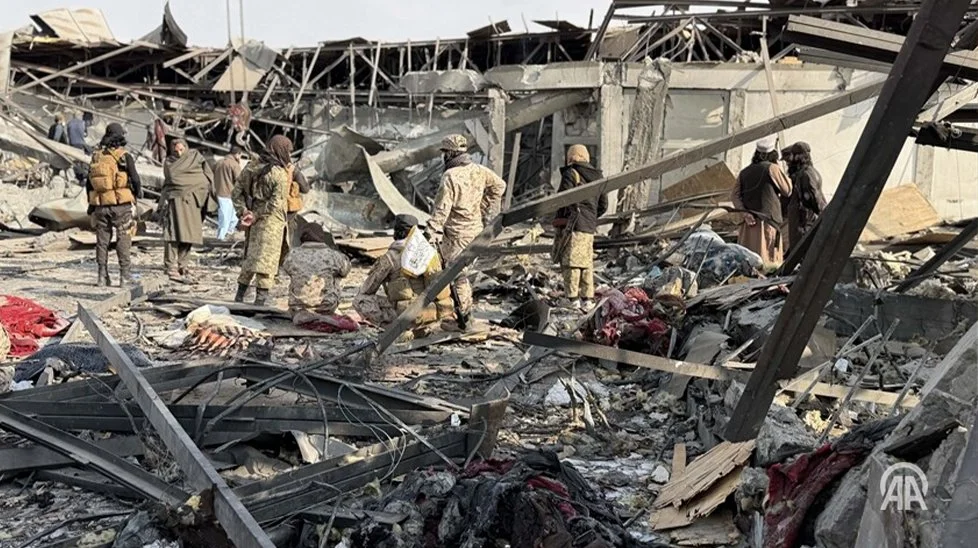
💢 Afghanistan accuses Pakistan of carrying out fresh airstrikes in eastern Afghanistan that allegedly killed 13 civilians, including 11 children
🔹 There was no immediate response from Islamabad over Afghanistan’s latest claim https://t.co/EBvspwInK0 pic.twitter.com/bcZmylmwAE
— Anadolu English (@anadoluagency) June 10, 2026
The airstrikes, carried out under the umbrella of Pakistan’s national security strategy Azm-e-Istehkam, targeted fortified infrastructure, training facilities, and logistics centers across the Afghan border provinces of Kunar, Khost, and Paktika. The operation was launched in direct retaliation for a series of deadly cross-border ambushes on Pakistani security outposts, including a June 9 raid that claimed the lives of six Federal Constabulary personnel in Khyber Pakhtunkhwa.
Technical Conflict Metrics and Target Verification
The Ministry of Information and regional defense observers have verified the specific tactical parameters of the overnight campaign:
-
Command Targets Eliminated: Minister Tarar confirmed that the operation completely destroyed four high-priority installations. These included an active militant training center, an extensive underground ammunition cache, and secure operational positions explicitly linked to senior TTP commanders Aleem Khan Khushali and Akhtar Muhammad Jani Khel.
-
The Retaliatory Triggers: The military operation was executed in response to three major recent insurgent assaults: the June 9 attack on the Federal Constabulary post in Musa Dara (Hasan Khel area), a heavy vehicle-borne suicide IED deployment in North Waziristan on June 2, and the tragic May 9 suicide bombing of a police facility in Bannu.
-
Conflicting Casualty Reports: While Islamabad presented digital intelligence and video tracking confirming the elimination of 26 combatants, Zabihullah Mujahid, the chief spokesperson for the Afghan Taliban administration in Kabul, publicly disputed the data. The Afghan authority claimed that the strikes breached their sovereign airspace and struck civilian homes in the Spera district of Khost and the Barmal district of Paktika, asserting that the dead included 11 children, one woman, and an elderly man.
Critical Analysis: Strategic Depth Rejection, Proxy Complicity, and the Structural Failure of Third-Party Mediation
The return to open cross-border airstrikes exposes the total collapse of regional diplomatic safeguards and highlights a fundamental transformation in Pakistan’s defense posture toward its western neighbor:
1. The Explicit Rejection of Strategic Patience and Sovereignty Excuses
By ordering the air force to strike targets deep within the Afghan provinces of Kunar, Khost, and Paktika, Islamabad has sent an unmistakable message to the Kabul regime: Pakistan no longer recognizes the legal sanctity of the border if that territory is used as a launching pad for cross-border terrorism. For years, the Afghan Taliban have used the cover of national sovereignty to deflect blame, claiming that the TTP’s actions are an internal Pakistani problem.
Pakistan’s transition to regular, intelligence-backed border penetrations demonstrates a permanent policy shift. The state has decided that protecting its own citizens and security personnel from advanced weaponry left behind by departing Western forces takes absolute priority over maintaining diplomatic niceties with an uncooperative neighbor.
2. Exposing the Tactical Myth of Non-State Autonomy
The rapid operational response by the Pakistani military—striking core TTP command centers within hours of the deadly assault on the Hasan Khel security post—directly challenges the narrative that the TTP operates independently of the Afghan Taliban.
The precision of the targets struck, including the private facilities of high-level commanders like Aleem Khan Khushali, proves that Pakistani intelligence possesses detailed, real-time tracking of militant assets inside Afghanistan. The close physical proximity of these heavily armed sanctuaries to formal Afghan Taliban military deployments highlights a clear pattern of official protection, safe passage, and structural complicity by the Kabul government.
3. The Structural Collapse of the Urumqi Peace Framework
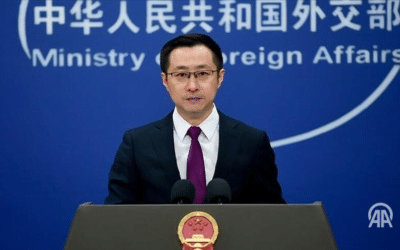
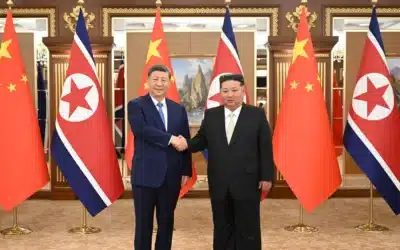
The resumption of heavy cross-border fighting marks the formal end of the fragile, Chinese-mediated ceasefire negotiated in March. Earlier this year, Beijing hosted high-level peace talks in Urumqi, hoping to build a regional security framework that would protect its multi-billion-dollar investments and mining concessions in the region.
However, because the Afghan Taliban consistently refused to enforce the anti-terror decrees issued by their supreme leader, Mullah Haibatullah Akhundzada, the diplomatic arrangement was structurally flawed from the start. Pakistan’s return to kinetic operations proves that Islamabad has realized that economic diplomacy and third-party guarantees cannot substitute for direct, forceful deterrence when dealing with an untrustworthy regime.
4. Countering Narrative Warfare Regarding Civilian Collateral Damage
The immediate public statements by Afghan Taliban spokesperson Zabihullah Mujahid, who accused Pakistan of committing war crimes against children, represent a coordinated effort in narrative warfare designed to trigger international condemnation.
The Pakistani government has quickly moved to counter this propaganda. By maintaining that the strikes were based on verified, audited intelligence and specifically designed to trigger secondary explosions of stored insurgent munitions, the Ministry of Information is exposing the Taliban’s tactic of using human shields. Kabul routinely uses civilian cover and non-combatant casualty claims to shield active terrorist training facilities from being targeted by modern air power.