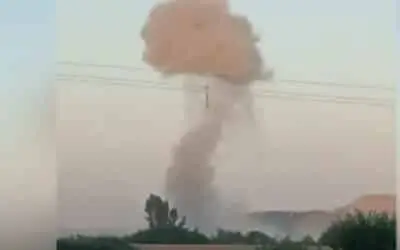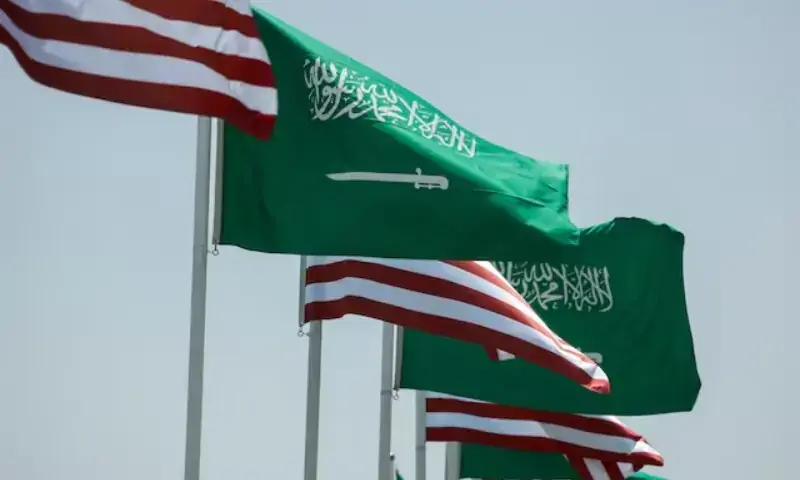




United States and Saudi Arabian military forces executed joint retaliatory air strikes against Iran-aligned targets in eastern Iraq on Wednesday, breaking a temporary lull in regional hostilities and triggering a sharp surge in global crude oil prices.
The combined military operation targeted multiple logistics and weapons facilities used by proxy groups operating under the direction of Iran’s Islamic Revolutionary Guard Corps (IRGC). According to military statements, the precision strikes were conducted in direct response to over 30 aerial drone attacks launched against US forces and Saudi energy infrastructure over the preceding 72 hours.
Key developments in the evolving conflict include:
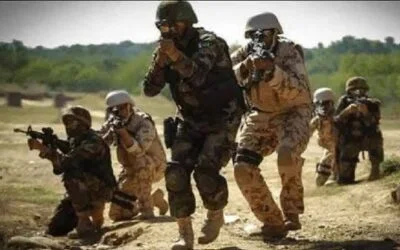
Joint Precision Operations: US and Saudi fighter aircraft conducted targeted strikes across eastern Iraq to dismantle IRGC-directed proxy networks targeting Gulf petroleum facilities and coalition personnel.
Maritime Interdictions in Hormuz: Declaring control over the strategic waterway, the IRGC announced that Iranian forces intercepted and struck three oil tankers after alleging the vessels ignored navigation warnings along an unsafe route.
High-Level Washington Summit: The military operations coincided with an in-person meeting at the White House between US President Donald Trump and Israeli Prime Minister Benjamin Netanyahu, focusing on preventing Iranian nuclear capability and coordinating regional defense frameworks.
Energy Market Volatility: Crude oil prices leapt more than four percent as renewed hostilities revived market fears regarding potential prolonged disruptions to oil transit through the Strait of Hormuz.
Saudi defense officials confirmed the strikes targeted militias responsible for recent attacks on the kingdom’s oil installations, maintaining that while Saudi Arabia does not seek further regional escalation, it will act decisively to safeguard its territorial integrity and economic infrastructure.
Critical Analysis
The joint US-Saudi air operation in eastern Iraq marks a critical shift toward active offensive coordination between Washington and Riyadh against Iran’s regional proxy ecosystem. By taking direct kinetic action against targets on Iraqi soil, Saudi Arabia is signaling a move from defensive containment to active military deterrence following renewed attacks on its critical energy assets.
However, this strategic escalation carries major geopolitical risks. Conducting strikes inside Iraq risks deepening political friction with Baghdad and further weakening Iraq’s national sovereignty. Concurrently, Iran’s aggressive counter-strategy—focused on enforcing control over the Strait of Hormuz and targeting commercial shipping—highlights Tehran’s intent to exploit global economic vulnerabilities to offset coalition military superiority.
While high-level US-Israeli consultations seek to align war aims, the breakdown of short-term pauses demonstrates that without an enforceable security and maritime framework, tactical air campaigns are unlikely to deter proxy activity or stabilize global energy transit.