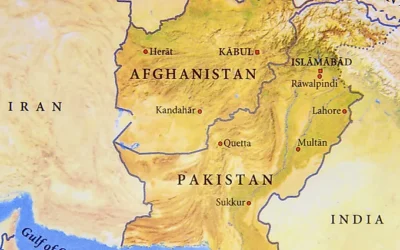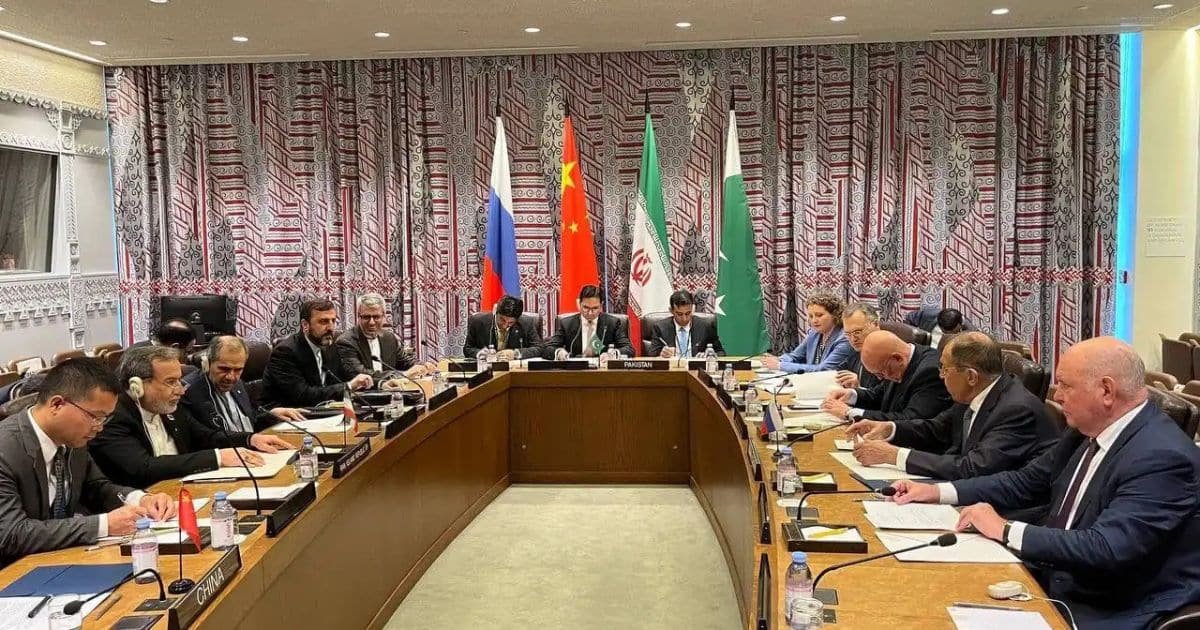


Foreign Ministers and senior representatives from China, Russia, Iran, and Pakistan held a critical quadrilateral meeting on the sidelines of the 80th session of the UN General Assembly in New York on Thursday. The nations issued a joint statement emphatically opposing any attempts to re-establish foreign military bases in Afghanistan, while calling for concrete action against terrorist groups operating from the country’s soil.
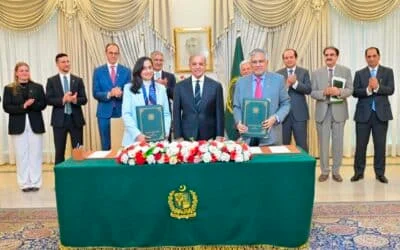
The informal yet high-impact summit was attended by Russian Foreign Minister Sergey Lavrov, Iranian Foreign Minister Seyed Abbas Araghchi, Chinese Envoy on Afghanistan Yue Xiaoyong, and senior Pakistani diplomat Umer Siddique.
Iran, Russia, China and Pakistan held a quadrilateral meeting on the sidelines of the UNGA summit in New York to discuss the situation in Afghanistan. pic.twitter.com/eTxPxx9X0h
— Tehran Times (@TehranTimes79) September 26, 2025
Upholding Sovereignty and Rejecting Foreign Bases
The joint statement, as conveyed by Chinese Foreign Ministry spokesman Guo Jiakun, stressed the participants’ unwavering commitment to “respect for Afghanistan’s sovereignty, independence and territorial integrity.”
Crucially, the four nations “reiterated firm opposition to re-establishment of military bases in Afghanistan and the region by the countries responsible for the current situation in the country.” This statement comes in direct response to recent remarks by U.S. President Donald Trump, who publicly requested the interim Taliban administration to return control of Bagram Air Base to the Pentagon.
The nations underscored that any move to re-militarize Afghan soil would destabilize the region and contravene the principles of non-interference and national dignity. Kabul has consistently refused to negotiate its territorial integrity, urging a commitment to the 2020 Doha agreement.
Joint Statement of the Fourth Quadripartite Meeting of Foreign Ministers of China, Iran, Pakistan, and Russia, held on sidelines of UNGA at New York on 25 September 2025. pic.twitter.com/fxGDGGIJtU
— Mohammad Sadiq (@AmbassadorSadiq) September 26, 2025
Demand for Verifiable Counter-Terrorism Action
While affirming their support for Afghanistan as an “independent, united, and peaceful state, free from terrorism, war, and narcotics,” the joint statement issued a strong demand for the Afghan administration to take “effective, concrete, and verifiable actions” to dismantle all terrorist groups operating from its territory.
The ministers expressed deep concern over the persistent presence of numerous militant organizations, calling their activity a “serious threat to regional and global security.” Groups specifically cited include:
- ISIL and Al-Qaida
- Tehreek-i-Taliban Pakistan (TTP)
- East Turkestan Islamic Movement (ETIM)
- Jaish ul-Adl, the Balochistan Liberation Army (BLA), and the Majeed Brigade
The quadrilateral partners emphasized that strengthening peace and stability in Afghanistan and successfully countering terrorism and radicalism are “common interests in the region.”
You May Like To Read: Joe-1, and the Dawn of the Soviet Nuclear Arsenal
Humanitarian Aid and Economic Integration
The nations utilized the platform to address the dire humanitarian and economic situation in Afghanistan, making several key appeals to the international community:
- Sanctions Adjustment: Called for necessary adjustments to the 1988 UN sanctions regime to align with current ground realities, including the need for travel exemptions for certain Taliban officials to facilitate engagement.
- Delinked Humanitarian Aid: Stressed the need for continued humanitarian assistance to the Afghan people, urging that this aid be delinked from political considerations to ensure it reaches those most in need.
- Economic Integration: Reaffirmed their willingness to expand economic cooperation and strongly supported regional economic initiatives aimed at integrating Afghanistan into regional trade and connectivity networks.
Advancing a Political Settlement
The four states, which have been holding quadrilateral consultations since 2017, affirmed their unwavering support for diplomatic efforts aimed at achieving a comprehensive political settlement of the Afghan issue. They specifically noted the crucial role of existing regional mechanisms:
- The Moscow Format
- The Foreign Ministers’ Meeting of Afghanistan’s Neighbouring Countries
- The Shanghai Cooperation Organisation (SCO)
The ministers welcomed the recent joint meeting of their Special Representatives in Dushanbe and encouraged the sustained continuation of these vital quadrilateral consultations to coordinate regional stability, counter transnational threats, and promote long-term prosperity.
You May Like To Read: President Trump and President Erdogan Meet at White House | Discuss Gaza, Ukraine, and Military Trade