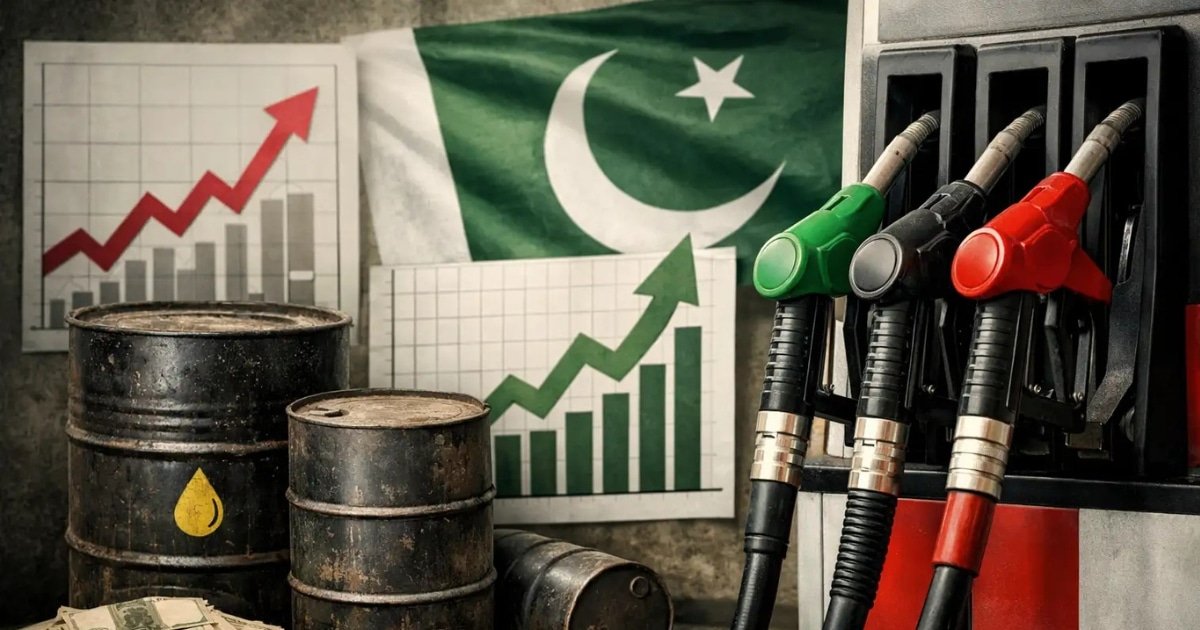




Pakistan is currently grappling with a seismic economic shift triggered by a record-breaking hike in petroleum prices. With petrol and diesel surging by Rs55 per litre—a nearly 17% increase in a single window—the country is witnessing the aggressive onset of “fuelflation.” This phenomenon occurs when energy costs act as a primary catalyst, driving up the price of every conceivable good and service across the value chain.
As the ex-depot price of High-Speed Diesel (HSD) hits Rs335.86 and petrol reaches Rs321.17, the ripple effects are moving far beyond the fuel pump, threatening the social fabric and food security of the nation.
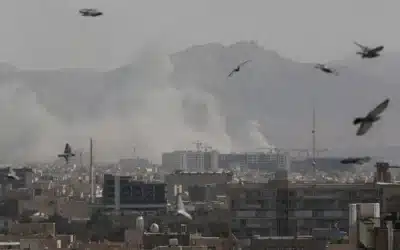
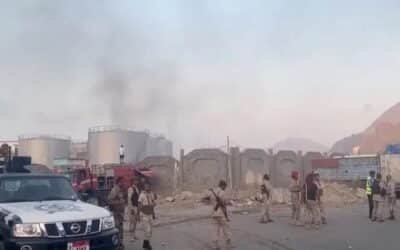
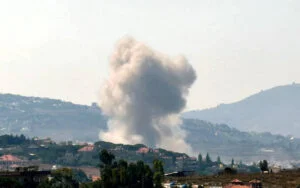
The government has raised petrol and diesel prices by Rs55 per litre as global oil costs surge, fuelled by the US-Israel war with Iran, putting pressure on domestic energy and prompting fuel price adjustments.#PetrolDieselPrice #Pakistan #MiddleEastCrisis #PakistanTV… pic.twitter.com/iVnQKcR40l
— Pakistan TV (@PakTVGlobal) March 6, 2026
The Agricultural Sector: The Epicenter of the Crisis
Agriculture is the backbone of Pakistan’s economy, yet it is the most vulnerable to energy shocks. Because the sector is almost entirely dependent on diesel-powered machinery, the recent price hike has turned farm profits into losses overnight.
-
Mechanized Cultivation and Harvesting: Diesel powers the tractors required for land preparation and the threshers used for harvesting. For smallholder farmers, who operate on razor-thin margins, the cost of running a tractor for a few hours has become prohibitive, often forcing them to skip necessary soil preparation steps.
-
The Irrigation Bottleneck: In regions where canal water is scarce, tube wells are the only lifeline for crops like wheat, rice, and sugarcane. The surge in diesel prices means pumping groundwater is now a luxury. This leads to delayed watering or reduced irrigation cycles, which directly stunts crop yields and reduces the quality of the final harvest.
-
Shift in Cropping Patterns: High “machine-intensive” crops like rice and sugarcane are becoming financial liabilities. Farmers are now being forced to consider switching to less water-intensive or shorter-cycle crops. While this saves fuel in the short term, it threatens to disrupt national production targets and export commitments for major commodities.
-
The Vicious Cycle of Debt: Small farmers frequently rely on informal, high-interest loans to buy seeds and fertilizers. When fuel costs spike, these farmers are forced to borrow more just to keep their machines running, leading to a deeper debt trap that threatens rural livelihoods.
Retail and Food Markets
The surge in transportation costs has effectively neutralized the price control system in urban markets. As the cost of moving grain from hubs like Sargodha and Faisalabad to cities like Rawalpindi has doubled, the open market has responded with a harsh upward correction.
-
Essential Commodities: Prices of pulses, rice, and spices have jumped by Rs30 to Rs50 per kg. Staples like Mash pulse have hit a staggering Rs550 per kg, while white chickpeas and red beans are hovering around Rs450 per kg.
-
Flour and Staples: Flour is now being sold at Rs155 per kg, an alarming rate for low-income families. These increases are particularly painful as they coincide with the pre-Eid shopping season, effectively dampening the festive spirit for government employees and daily wagers.
-
The Fruit and Protein Inflation: The price of mutton has reached a peak of Rs2,500 per kg, while chicken meat is being sold at Rs520 per kg. Even seasonal fruits have become luxury items, with pomegranates and grapes costing between Rs700 and Rs800 per kg, far out of reach for the average consumer.
Impacts on Industry, Logistics, and Services Sectors
While agriculture and retail are the most visible victims, the fuel surge is also hollowing out other critical sectors of the economy:
-
The Manufacturing Sector: Large-scale manufacturing (LSM) depends on diesel generators for backup power during load-shedding. Increased fuel costs raise the “cost of doing business,” making Pakistani exports less competitive in the global market. Industries such as textiles, which are energy-heavy, face a dual blow of high electricity tariffs and soaring fuel costs for logistics.
-
Public and Private Transport: Beyond cargo, the cost of commuting has skyrocketed. This acts as a “hidden tax” on the workforce, reducing the disposable income of middle-class families. For the service sector, this often leads to a demand for higher wages, which can trigger a second-round inflationary spiral.
-
The Construction Industry: The transport of heavy raw materials like cement, bricks, and steel is highly fuel-dependent. A hike in diesel prices leads to a direct increase in the cost per square foot of construction, slowing down infrastructure projects and housing developments, which in turn affects the labor market for daily wagers.
“As a net energy importer reliant on Gulf suppliers for more than 80pc of its crude oil and nearly all of its liquefied natural gas, Pakistan’s economic stability becomes vulnerable whenever turmoil grips the region.”https://t.co/POnQswWS3T
— Dawn Business (@dawn_business) March 9, 2026
Strategic Recommendations: Beyond Fossil Fuel Dependency
The current crisis highlights a structural weakness: Pakistan’s food and economic systems are too closely tethered to global oil volatility. To break this cycle, a multi-pronged strategy is required:
-
Solarization of Agriculture: Transitioning from diesel-powered tube wells to solar-powered irrigation is the most viable long-term solution. While the initial capital expenditure is high, government subsidies and low-interest “green loans” can help smallholders make the switch.
-
Energy-Efficient Farm Machinery: Promoting the use of modern, fuel-efficient tractors and cooperative machinery-sharing models can reduce the per-acre diesel consumption.
-
Strengthening Rural Infrastructure: Improving the road network and establishing wholesale markets closer to production hubs can reduce the “food miles” and associated freight charges that currently drive urban food inflation.
-
Targeted Subsidies: Instead of blanket subsidies, the government should provide direct cash transfers or fuel cards specifically for smallholder farmers and public transporters to shield the most vulnerable segments from energy shocks.
You May Like To Read: 11 Dead, as New Russian “Izdeliye-30” Missile Obliterates Kharkiv Apartment Block
Conclusion
“Fuelflation” is not merely a short-term hurdle; it is a profound threat to Pakistan’s economic stability. Without a transition toward renewable energy and a more resilient agricultural value chain, the country remains at the mercy of global geopolitical tensions. Protecting the agricultural sector from energy price volatility must be treated as a matter of national security.
Check out our latest video: