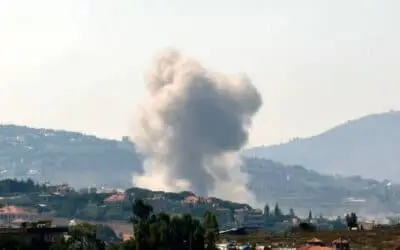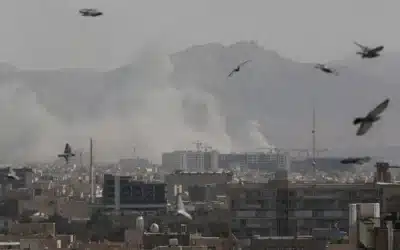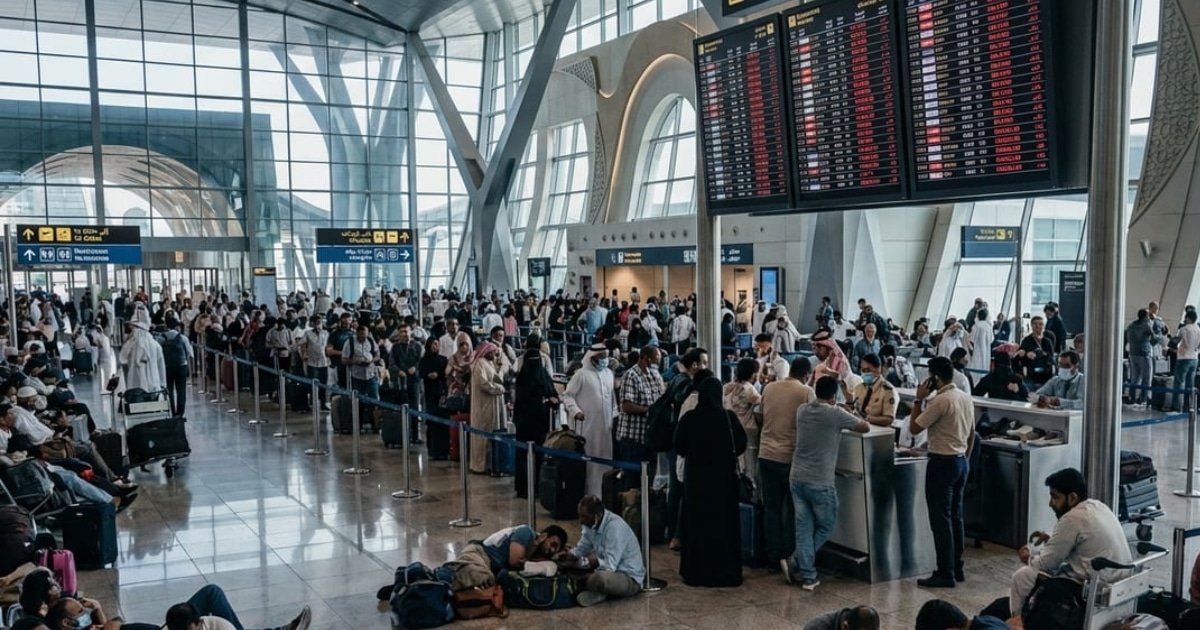




The launch of major U.S. and Israeli combat operations against Iran triggered unprecedented disruption in global aviation. As missiles and drones filled the skies over the Persian Gulf, authorities enforced a near-total closure of airspace across Iran, Iraq, Kuwait, Israel, and Bahrain. The fallout has turned the world’s most critical east-west transit hubs into scenes of confusion, leaving thousands of passengers, flight crews, and aircraft stranded across the globe.
Airlines suspended flights across the Middle East on Saturday, including to and from the world’s busiest travel hub Dubai, after the US and Israel launched strikes on Iran. https://t.co/e107QUXVqc
— Algemeiner (@Algemeiner) February 28, 2026
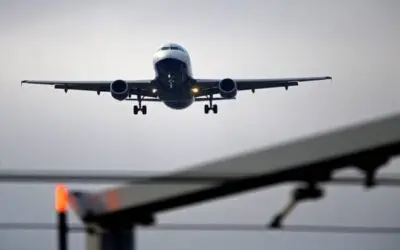
Dubai International Airport, the world’s busiest for international travel, suspended all operations until further notice, along with Al Maktoum International. Major carriers including Emirates, flydubai, and Etihad have halted departures, while European giants like Lufthansa, British Airways, and Air France canceled routes to the region through early March. EASA, the European Union’s aviation regulator, has formally advised all airlines to avoid Middle Eastern airspace entirely, citing the extreme risk posed by ongoing military interventions and retaliatory missile fire.
You May Like To Read: Conflict Escalates: Iran Launches Massive Retaliation Against US and Allies
The logistical impact is being felt far beyond the conflict zone. With Russian and Ukrainian airspace already closed due to the war in Europe, the loss of Middle Eastern corridors has forced long-haul flights between Europe and Asia to take massive diversions over Africa or the North Pole, significantly increasing fuel costs and flight times. Industry experts warn that the disruption could last for “some time,” as the region braces for further escalations in the wake of the strikes.
Check out our latest video: