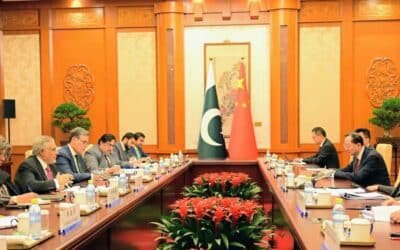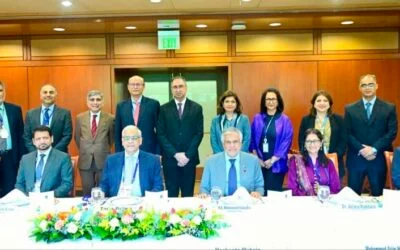





The International Monetary Fund (IMF) review mission, led by Iva Petrova, continued its intensive engagement in Pakistan’s financial hub today, holding a critical consultative session with the Pakistan Business Council (PBC). The meeting aimed to gauge the private sector’s perspective on current economic policies and their formal expectations for the upcoming 2026–27 Federal Budget.
The IMF hints at phased tax cut approach. Read full story @ https://t.co/o5Xaq90PDb
— Mehtab Haider (@haider_mehtab) February 27, 2026
A Gradual Path to Rationalization
Following a Thursday meeting with the Overseas Investors Chamber of Commerce and Industry (OICCI), the IMF mission has begun signaling a “gradual approach” toward fiscal reforms.
-
Super Tax Relief: In a significant nod to the formal sector, the Fund hinted at a phased reduction of the Super Tax, potentially starting in the next fiscal year. However, the IMF clarified that tax rates cannot be slashed “in one go” without jeopardizing fiscal stability.
-
Broadening the Base: The mission remains firm on the necessity of bringing untaxed or under-taxed sectors into the national fold. “Without broadening the tax base, the wish of rationalizing tax rates may not be possible,” the delegation noted, expressing concern over profitable sectors that currently contribute nothing to the national kitty.
The Stimulus vs. Stability Debate
The talks come as Finance Minister Muhammad Aurangzeb faces immense domestic pressure to pivot from austerity toward growth.
-
Political Mandate: Political leadership is reportedly pushing for an IMF-sanctioned “stimulus package” in the 2026–27 budget to kick-start sluggish industrial activity.
-
The Cost of Growth: Business leaders have stressed that a stimulus is only viable if accompanied by a sharp rationalization of tax rates and a substantial reduction in both electricity and gas tariffs, which remain prohibitive for manufacturing.
You May Like To Read: Operation Ghazab-lil-Haq: Pakistan Strikes Kabul, Declares Open War Against Afghanistan
Budget 2026–27: The Balancing Act
As the mission moves toward its second week of discussions, the focus is shifting to the structural contours of the next budget. The PBC and OICCI have jointly urged the Fund to reduce the disproportionate tax burden on the formal corporate sector, arguing that the current framework incentivizes the informal economy and hampers foreign direct investment.
The IMF has countered by emphasizing that Pakistan’s mounting financial requirements necessitate a robust fiscal framework. The mission’s “gradualism” suggests that while some relief may be on the horizon, the government must first demonstrate verifiable progress in digitizing the economy and implementing the Agriculture Income Tax across all provinces.
Check out our latest video: