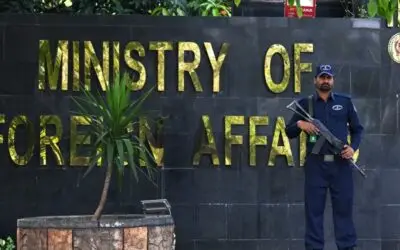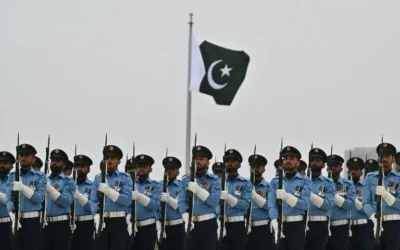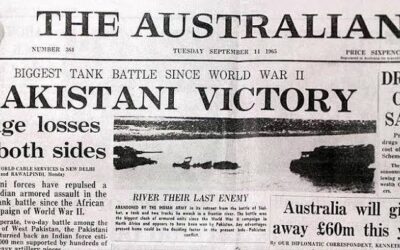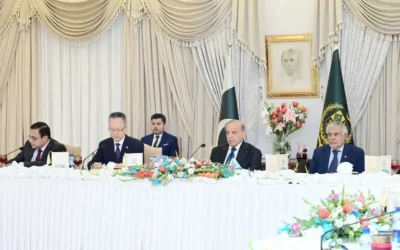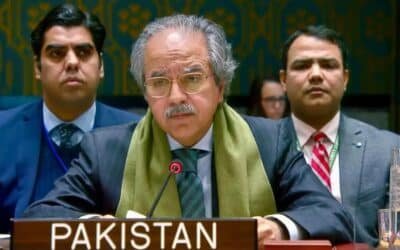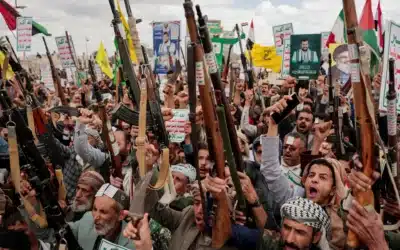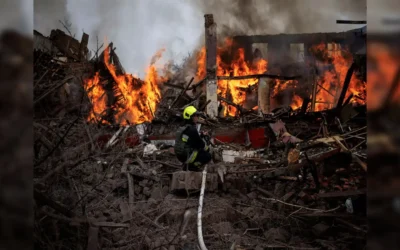
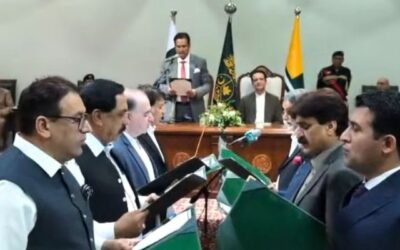


In a historic and grave escalation of regional hostilities, Pakistan’s Defence Minister Khawaja Muhammad Asif has officially declared an “open war“ against the Taliban-led government in Afghanistan. The declaration follows a night of intense cross-border fighting and unprecedented Pakistani airstrikes targeting military infrastructure in Kabul, Kandahar, and Paktia.
Pakistani Defense Minister Khawaja Muhammad Asif said it is “open war” now as Pakistan bombed Taliban government targets in major Afghan cities overnight. https://t.co/qzQpbBoAtH pic.twitter.com/lG6XguVZGl
— DW News (@dwnews) February 27, 2026
The Decisive Shift: “Patience Has Reached Its Limit”
The formal declaration issued early Friday marks the end of years of simmering tensions. Speaking via social media and official state channels, Minister Asif stated that Islamabad’s extensive efforts toward diplomacy and stability had been met with “aggression and the export of terrorism.”
-
“Open War”: Asif proclaimed that Pakistan’s patience has run out, signaling a transition from localized border skirmishes to a full-scale military campaign aimed at neutralizing the Taliban’s military capabilities.
-
Allegations of Proxy War: The Minister alleged that the Taliban had turned Afghanistan into a “colony” for external actors to target Pakistan, prompting a “crushing response” from the Pakistan Armed Forces.
Operation Ghazab-lil-Haq: Battlefield Developments
In a significant escalation of hostilities, the Pakistan military has officially transitioned its border operations into a comprehensive offensive codenamed Operation Ghazab-lil-Haq (Wrath for the Truth). Authorized by Prime Minister Shehbaz Sharif, the mission was launched in the early hours of Friday, February 27, 2026, following what Islamabad described as “unprovoked large-scale offensives” by Afghan Taliban forces along the Durand Line.
Aerial Strikes on Strategic Command Centers
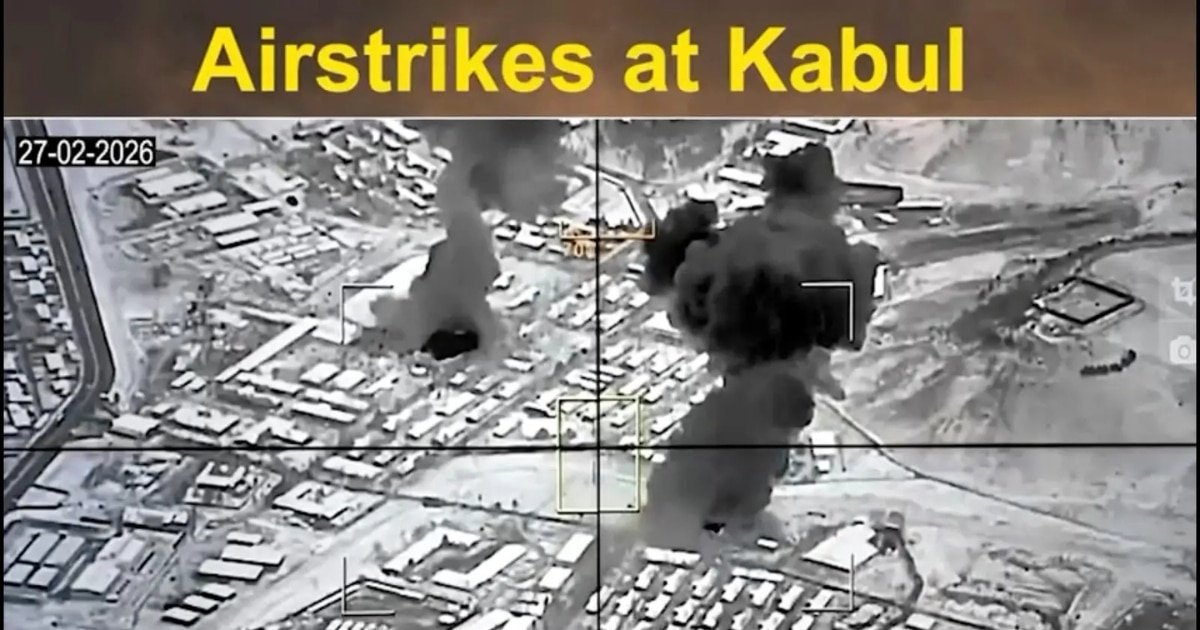
The operation’s primary phase involved high-precision airstrikes by the Pakistan Air Force (PAF) targeting the heart of the Taliban’s military infrastructure. Pakistani authorities confirmed successful hits on the 313 Brigade HQ, the 201 KBW Brigade HQ, and the 205 Brigade HQ—strategic hubs located in the capital, Kabul, and the southern stronghold of Kandahar. These strikes represent a shift from previous localized border engagements to targeting high-level command and control centers deep within Afghan territory.
Confirmed Casualties and Infrastructure Damage
According to official Pakistani data, the offensive has inflicted heavy losses on Taliban forces. Initial reports estimate that 133 Afghan Taliban combatants were killed, with more than 200 others wounded during the initial waves of the operation. On the ground, the military reported the destruction of 31 Taliban border posts and the neutralization of 16 tanks and armored personnel carriers, severely impacting the Taliban’s tactical mobility along the frontier.
Impact on Pakistani Forces
Amid the intense clashes, Pakistan has also reported casualties within its own ranks. During the defense of border installations against the initial Taliban surge, two Pakistani security personnel were martyred and three others sustained injuries. Despite claims from the Taliban’s Ministry of Defence that their forces captured more than 15 Pakistani outposts and inflicted dozens of casualties, Islamabad has categorically dismissed these reports as unverified propaganda, asserting that no military posts have been lost.Kabul
You May Like To Read: Tragedy in Brazil: Record Rains Kill 23 in Minas Gerais
The Path to “Open War”
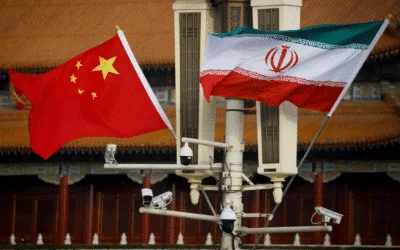
The launch of Ghazab-lil-Haq follows a declaration of “open war” by Pakistan’s Defence Minister, Khawaja Asif. The conflict was triggered by a Taliban retaliatory offensive on the evening of February 26, which the Taliban claimed was a response to earlier Pakistani intelligence-based strikes against TTP (Tehreek-e-Taliban Pakistan) hideouts. With major cities now involved, the situation has evolved from a counter-terrorism effort into a full-scale interstate confrontation, drawing urgent calls for restraint from the UN, China, and Iran.
International Reaction: Urgent Calls for Restraint
The global community has reacted with alarm to the prospect of all-out war between the neighboring Islamic nations:
-
United Nations: Secretary-General Antonio Guterres expressed “deep concern” and urged both sides to prioritize the protection of civilians and adhere to international humanitarian law.
BREAKING: UN chief calls for de-escalation amid Afghanistan-Pakistan clashes.
🔴 LIVE updates: https://t.co/lxUtNLojws pic.twitter.com/tadieoYBca
— Al Jazeera Breaking News (@AJENews) February 27, 2026
-
China & Russia: Both Beijing and Moscow have offered to mediate, with China’s Mao Ning stating that Beijing is already utilizing “its own channels” to cool the situation.
-
Iran: Foreign Minister Abbas Araghchi highlighted the significance of the holy month of Ramadan and urged for Islamic solidarity, offering Tehran as a venue for constructive dialogue.
Check out our latest video: