



Global Energy Markets Shake
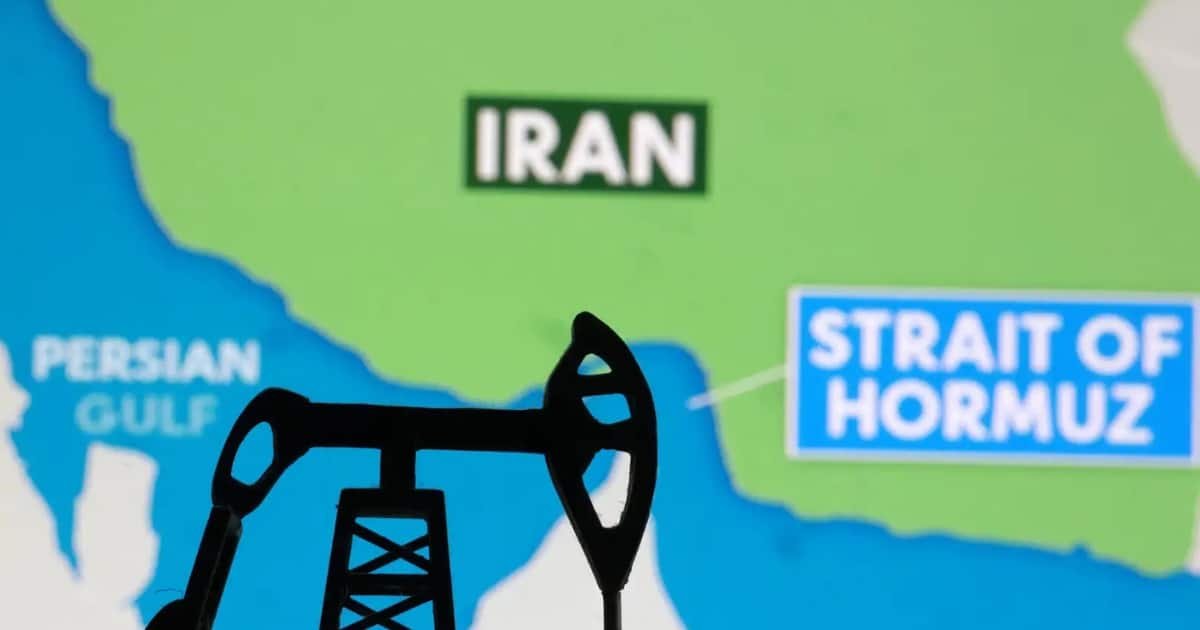
Rising tensions in the Middle East have pushed global energy markets into uncertainty as shipping through the Strait of Hormuz faces major disruptions. The narrow waterway, located between Iran and Oman, is one of the world’s most important oil routes, carrying nearly one-fifth of global oil and large volumes of liquefied natural gas (LNG). After several tanker attacks and rising military tensions, vessel traffic in the area has slowed dramatically, leaving dozens of ships stranded.
As oil and gas prices soar against the backdrop of the war in Iran, the US and Western exporters could find a new opportunity to fill the gap in the market.
Here’s a closer look at the situation and who gains from all this ⤵️ https://t.co/ueVLEdt08s
— Al Jazeera English (@AJEnglish) March 5, 2026
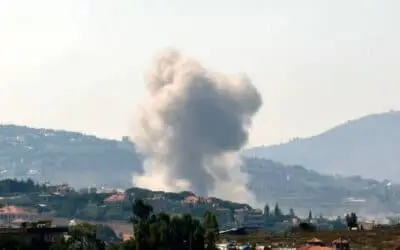
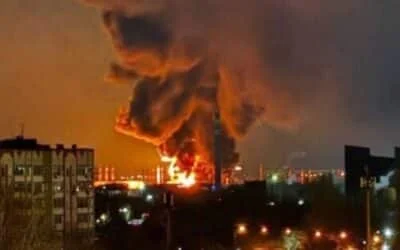
At the same time, energy infrastructure across the Gulf has also been affected. Operations at facilities linked to QatarEnergy and Saudi Aramco have faced disruptions, further tightening global energy supplies. These developments have pushed oil and gas prices higher and raised concerns about a wider energy crisis.
Why the United States Could Gain Market Share
The current situation may create an unexpected opportunity for Western energy exporters, especially the United States. In recent years, the US has become the world’s largest oil exporter and a leading producer of LNG. With Gulf exports disrupted, companies such as ExxonMobil and Cheniere Energy could potentially increase shipments to Europe and Asia.
If Middle Eastern supply remains limited, these exporters may capture a larger share of the global energy market. Analysts say the suspension of LNG production in Qatar alone could leave a major supply gap that Western producers may try to fill.
You May Like To Read: Grief Without Chaos: Why Pakistan Must Choose Dignified Mourning Over Violent Agitation
Limits to How Much the US Can Benefit
Despite the potential gains, experts say the US cannot fully replace the huge volume of energy that normally flows through the Strait of Hormuz. American LNG plants are already operating near maximum capacity, and most exports are tied to long-term contracts. Increasing production also takes time, meaning the benefits may only appear if the crisis lasts for months.
At the same time, higher global oil prices will still affect American consumers through rising fuel costs. As a result, while the US could gain some economic advantage, the broader impact of a prolonged energy crisis would still create challenges for the global economy.
Check out our latest video: