




A Nation Cut Off as Voices Rise
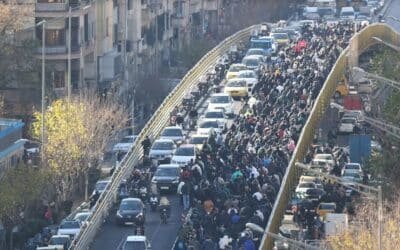
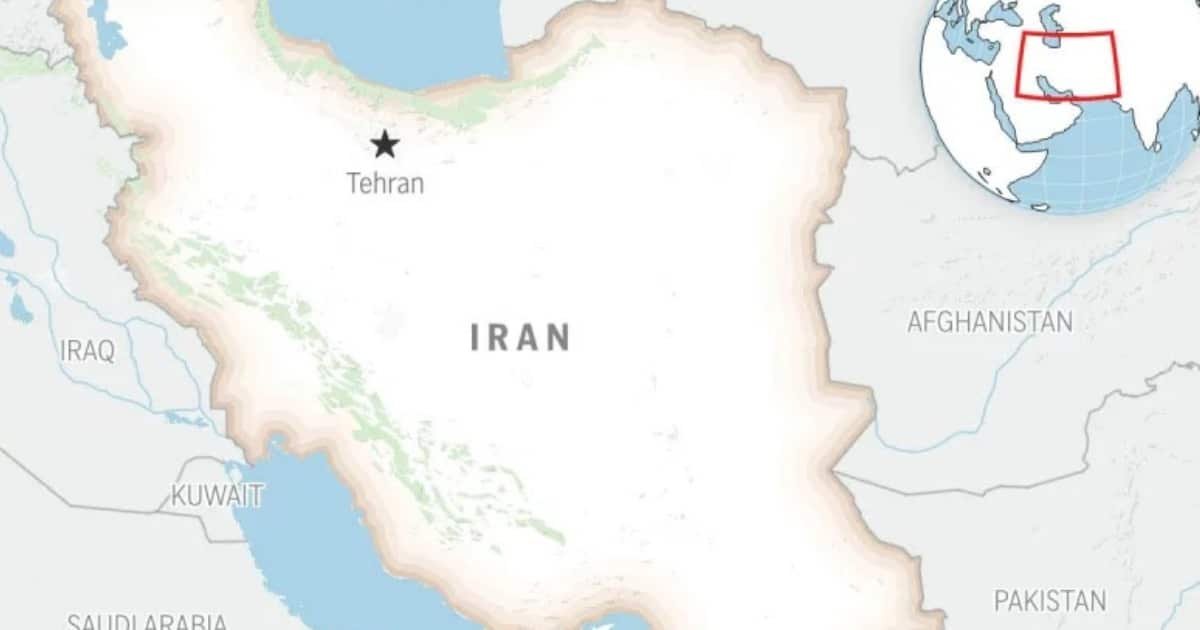
Iran plunged into near-total isolation Thursday night as authorities cut internet access and international phone calls amid a surge of nationwide protests. The blackout came as demonstrators answered a call from exiled Crown Prince Reza Pahlavi, pouring into the streets and shouting from rooftops in cities and rural towns alike. For many Iranians, the digital silence echoed a familiar and ominous signal: the state was preparing to reassert control.
Internet access has been cut nationwide and phone lines are down in Iran, following a call for demonstrations by the exiled crown prince.
Follow: @AFpost pic.twitter.com/VszW1RLBiP
— AF Post (@AFpost) January 8, 2026
The protests marked the most serious test yet of whether Pahlavi, son of Iran’s last shah, can mobilize public support from exile. As chants of “Death to the dictator” and even praise for the former monarchy rang out, the demonstrations underscored the depth of anger driven by economic collapse and political repression.
Economy, Anger, and a Growing Toll
What began as protests over a spiraling economy has widened into a direct challenge to Iran’s ruling system. With the rial collapsing to historic lows and markets shuttering in solidarity, frustration has spilled across provinces. Human rights groups report at least 42 deaths and more than 2,270 detentions so far, figures that hint at the scale of unrest despite official silence.
Internet monitoring groups confirmed that the outage was the result of government interference, a tactic often used before harsh crackdowns. Experience has taught Iranians that when the country goes dark, violence often follows.
A Leaderless Movement Meets a Royal Call
Despite the crowds, the protests remain largely leaderless. Analysts note that previous movements faltered without a clear alternative to the Islamic Republic. Pahlavi’s call for demonstrations has energized some, but it remains uncertain whether chants invoking his family signal loyalty to him or simply nostalgia for a pre-1979 Iran. However, from abroad, Pahlavi urged Western leaders to help restore communications, warning that silencing the internet was an attempt to erase the people’s will.
You May Like To Read: Saudi Coalition Accuses UAE of Smuggling Separatist Leader Out of Yemen
Pressure Builds at Home and Abroad
Iranian authorities appear rattled. State-linked media have warned of surveillance drones, while reports of attacks on security forces suggest tensions are escalating. Internationally, U.S. President Donald Trump has issued stark warnings against violent repression, adding another layer of pressure on Tehran. As Iran weighs its next move, one truth is clear: even in darkness, the voices demanding change are growing louder.
Check out our latest video: