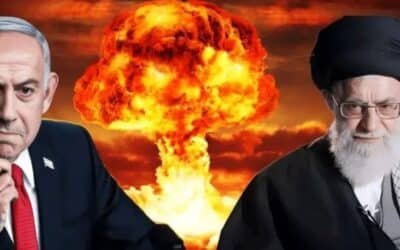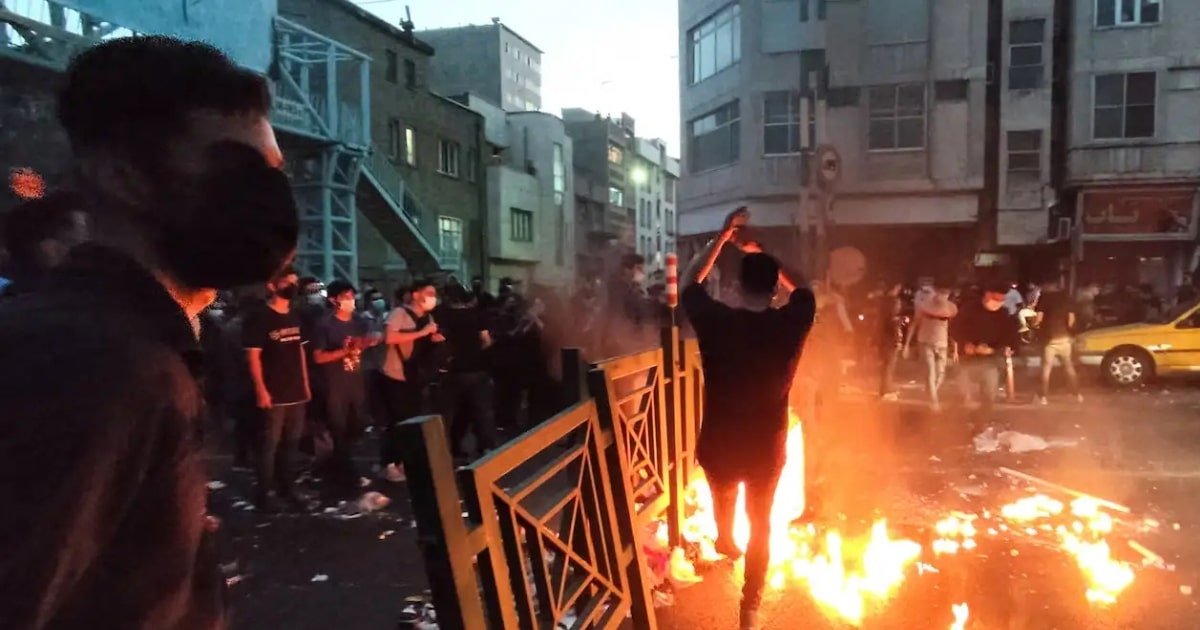





Iran is witnessing its most significant wave of civil unrest since the 2022 Mahsa Amini demonstrations. A BBC Verify analysis has confirmed that protests have spread to at least 17 of Iran’s 31 provinces, though other reports suggest activity in as many as 28. The movement, which began on December 28, 2025, was initially triggered by a catastrophic devaluation of the Iranian rial, which plunged to a historic low of approximately 1.4 million to the US dollar. What started as strikes by Tehran’s Grand Bazaar merchants over skyrocketing inflation (surpassing 52%) quickly evolved into a broader anti-regime movement calling for the ouster of the Islamic Republic.
“In Iran, protests are shaped by the interaction between domestic politics, governance, foreign policy, and the impact of sanctions, which together influence both the emergence of dissent and the state’s response to it.”
— #AJOpinion by @Profmzweiri ⤵️ https://t.co/xVFaemHl9K
— Al Jazeera English (@AJEnglish) January 6, 2026
The human cost of the crackdown is mounting rapidly. Human rights groups and opposition networks have confirmed at least 35 deaths, including several minors, while over 1,200 individuals have been detained. While Supreme Leader Ayatollah Ali Khamenei initially acknowledged the “just” economic grievances of merchants, he subsequently branded more radical demonstrators as “rioters” and “mercenaries of the enemy,” effectively greenlighting a more violent response from the IRGC and Basij forces. Tensions have further escalated following US President Donald Trump’s warnings of intervention and his administration’s capture of Venezuelan President Nicolás Maduro, a key Iranian ally, which Tehran has condemned as a violation of international law.
You May Like To Read: Pakistan and Myanmar Vow Close Cooperation on Regional and Bilateral Issues
Check out our latest video: