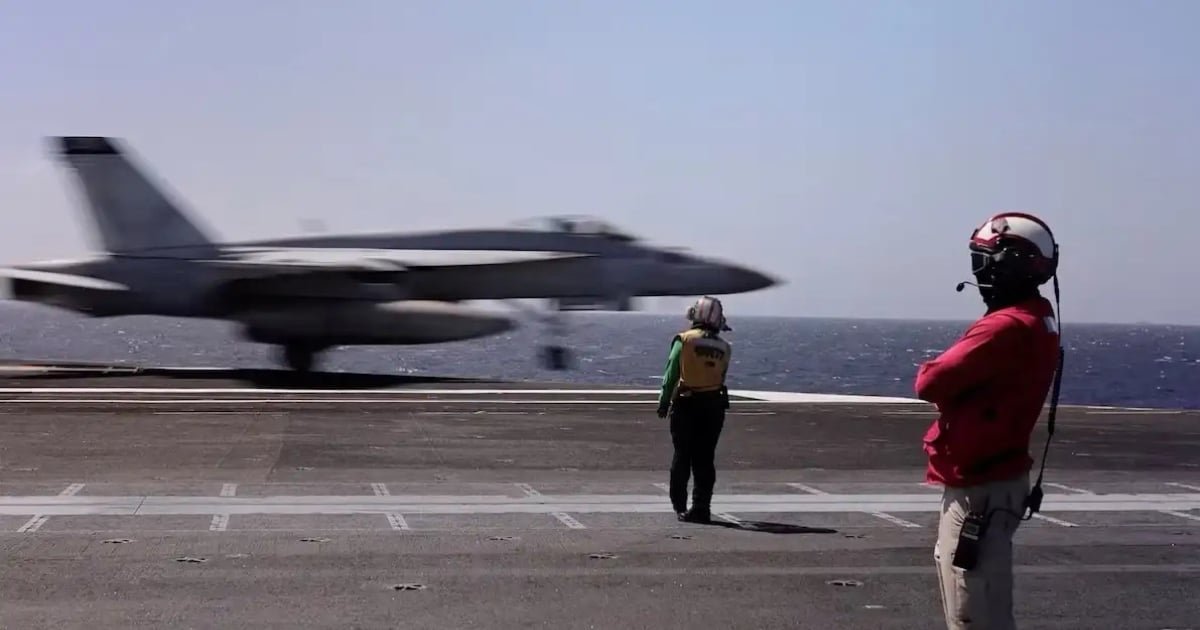




In a strategic move to offset the military superiority of the United States and Israel, Iran has effectively weaponized the world’s most critical energy corridor, the Strait of Hormuz. Since the onset of the conflict on February 28, 2026, tanker traffic through the Strait, which typically handles one-fifth of the world’s oil and liquefied natural gas, has plummeted by 97%, according to United Nations data. This “oil shock” strategy aims to neutralize U.S. military advantages by holding the global economy hostage, a move Tehran believes will force President Donald Trump to “blink first” and halt the war.
Oil prices soared on Thursday as Iran ramped up attacks on tankers, threatening to derail the global economy amid the ongoing war in the Middle East. https://t.co/nG4m6oagpM
— ABC News Politics (@ABCPolitics) March 12, 2026
The Iranian strategy, orchestrated by the Islamic Revolutionary Guards Corps (IRGC), is a sophisticated evolution of the “Tanker War” tactics used during the 1980s. However, unlike previous conflicts, Tehran is now utilizing a vast arsenal of low-cost drones and missiles to execute a decentralized “Mosaic” doctrine. This approach allows Iran to maintain command and control even after the death of Supreme Leader Ayatollah Khamenei on the conflict’s first day. Leadership has reportedly transitioned to figures like Parliament Speaker Mohammad Baqer Qalibaf and National Security Council head Ali Larijani, who continue to direct the asymmetric campaign.
You May Like To Read: Security Forces Foil Infiltration Attempt as Operation Ghazab Lil Haq Escalates
Analysts suggest that the U.S. may have underestimated Iran’s ability to extend the conflict “in time and space.” By dispersing attacks across the Gulf and targeting shipping lanes directly rather than relying solely on regional proxies, Iran is imposing global economic costs that outweigh the tactical successes of U.S. airstrikes like Operation Epic Fury. Experts note that while the U.S. can significantly degrade Iranian infrastructure, achieving total victory would require a massive land invasion, a commitment the Trump administration is historically reluctant to make. For now, Tehran is betting that its ability to endure economic and military pressure will outlast Washington’s appetite for an open-ended war of choice.
Check out our latest video: