


Deadline Set in High-Stakes AI Dispute
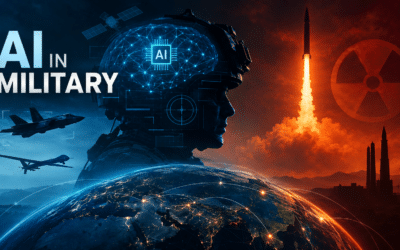
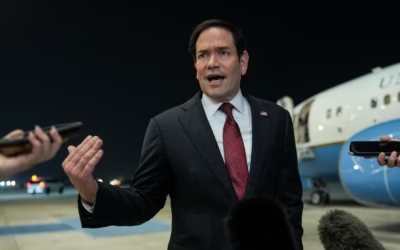
Defense Secretary Pete Hegseth has given Anthropic CEO Dario Amodei a firm Friday deadline to scale back safety guardrails on the company’s AI model, Claude. If Anthropic refuses, the Pentagon has warned it could cancel its $200 million contract and take additional punitive steps. At the center of the dispute is the military’s request to use the AI system for what it calls “all lawful use.” Anthropic, however, says certain boundaries cannot be crossed.
Hegseth warns Anthropic to let the military use the company’s AI tech as it sees fit, AP source says https://t.co/A9PoIDqvVi
— The Washington Times (@WashTimes) February 25, 2026
What the Pentagon Wants
The Defense Department argues that operational flexibility is essential. Officials say the Pentagon, as the end user, is responsible for legality, not the AI developer. According to sources, the department believes AI tools must be adaptable for a wide range of defense applications to meet national security demands.
If Anthropic does not agree by 5:01 p.m. Friday, officials say the government may:
- Terminate the existing $200 million contract
-
Invoke the Defense Production Act to compel cooperation
-
Label the company a “supply chain risk,” limiting its role in military-related work
Anthropic’s Red Lines
Anthropic has made clear it will not allow its AI technology to be used for autonomous weapons or mass domestic surveillance of Americans. The company argues that current AI systems are not reliable enough to control weapons independently and that laws governing AI-driven surveillance remain unclear. While reaffirming its support for U.S. national security efforts, Anthropic insists that safety and responsible deployment must guide how advanced AI is used.
Broader Impact on the AI Industry
The standoff could reshape the relationship between Silicon Valley and the military. It may also create an opening for competitors such as xAI, which officials say is willing to operate in classified environments. Beyond the contract itself, the conflict reflects a larger national debate over how far artificial intelligence should go in matters of warfare, surveillance, and civil liberties.
You May Like To Read: