



Re-establishing the All-Weather Strategic Partnership
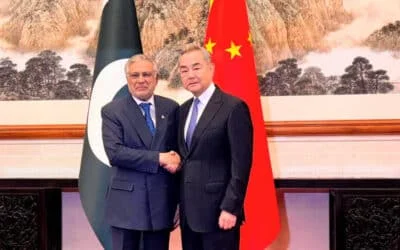
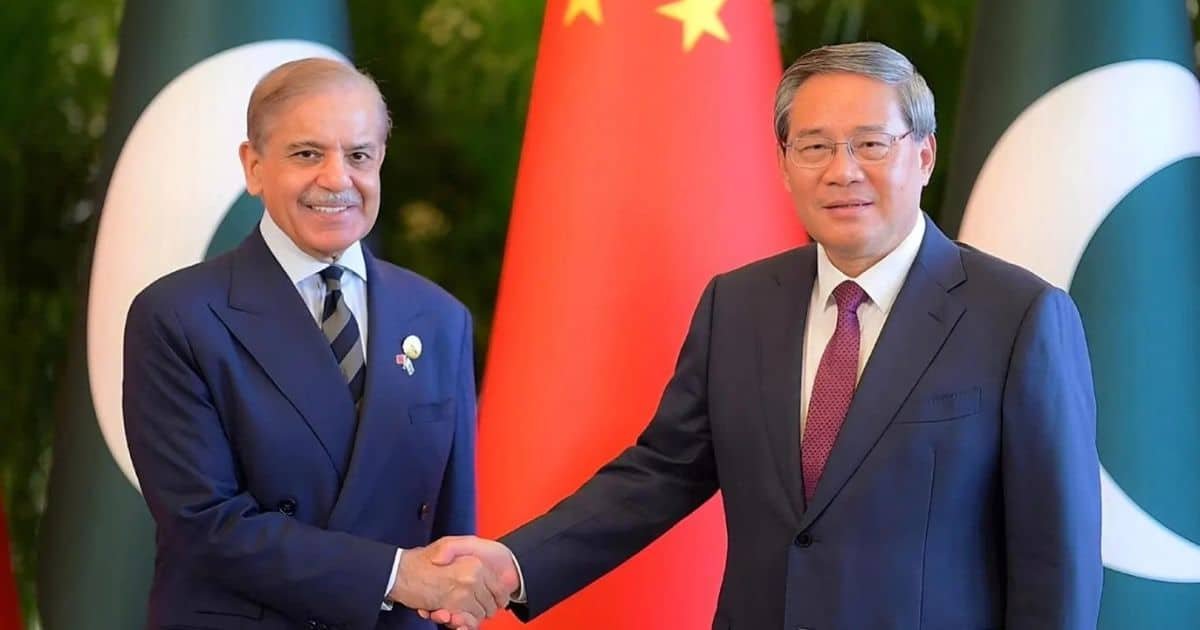
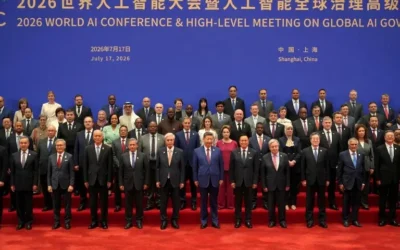
Pakistan and China made the SCO Summit 2025 in Beijing a special event. Prime Minister Shehbaz Sharif held another meeting with President Xi Jinping, where, once again, both leaders referred to their friendship as iron-clad and all-weather. They decided to elevate their cooperation on a new level by concentrating on the second stage of the China-Pakistan Economic Corridor, otherwise known as CPEC 2.0.
Both parties emphasized that they have strong relationships that extend beyond governments and have strong trust and support of one another in all spheres of politics, economy, defense, and culture. They also pointed out that 2026 will be 75 years of diplomatic relations, and they would like to celebrate it by strengthening cooperation and demonstrating to the world that Pakistan and China are completely on the same side.
CPEC 2.0: Expanding Horizons
Shehbaz Sharif and Xi Jinping agreed that the new era of the China-Pakistan Economic Corridor, CPEC 2.0, will bring larger opportunities for growing Pakistan. It is not a period of roads and power projects as it was, but of building industries and of creating jobs and of modernizing various sectors via economic growth.
CPEC 2.0 is centered on special economic zones, where Chinese assistance will allow industries and companies to increase their presence. It also includes the contemporary methods of farming, in order that the agriculture of Pakistan is improved and more fruitful. Green energy initiatives such as solar and hydropower are another large component of this stage, as they will help to decrease the reliance of the Pakistani population on expensive fuel. Moreover, the country will get new technology and innovation with the aid of digital connectivity.
There was also an understanding between the two sides that CPEC 2.0 is not merely relevant to Pakistan and China but also aligned with the broader vision of the SCO, which facilitates closer regional connectivity, trade, and collaboration among member states.
SK Hydropower Station
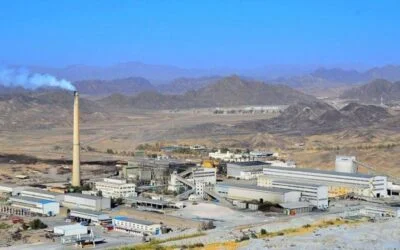
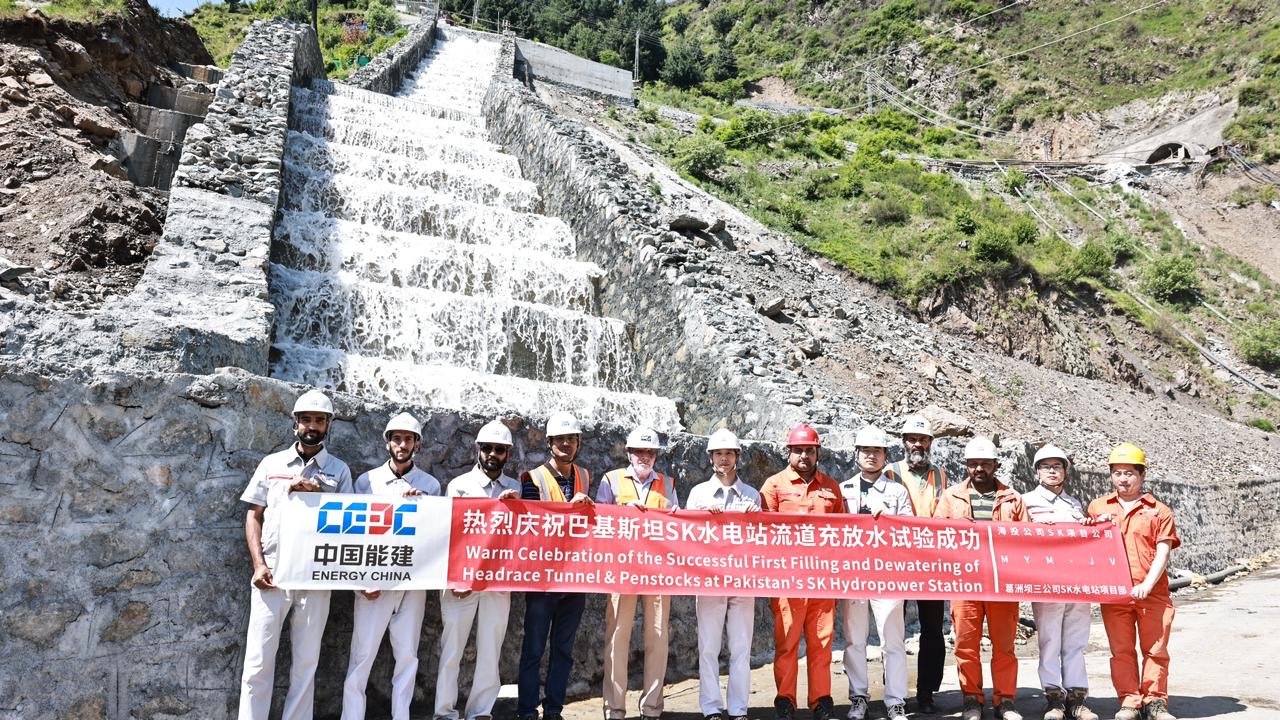
During the SCO summit, Pakistan used the SK Hydropower Station as an example of CPEC co-operation. Constructed under Chinese assistance, this project is a single of the largest foreign hydropower plants constructed by China and is regarded as a green energy alliance between the two nations.
The project is also generating clean electricity as well as reducing the dependency of Pakistan on imported fuel. It has generated employment opportunities for the local population, enhanced infrastructural development within the locality, and financed schools and hospitals. Due to these broad advantages, the SK Hydropower Station was introduced as an example project that expresses this spirit of CPEC, but also the aims of SCO towards the realization of sustainable development.
Promotion of the Chinese Global Initiatives
In the meeting, Prime Minister Shehbaz Sharif also showed that Pakistan supports major global initiatives by China. He embraced the vision of the Global Development Initiative (GDI) by President Xi to alleviate poverty and enhance mutual growth, and the Global Security Initiative (GSI) to establish peace and stability in the world.
Shehbaz was also in support of the Global Civilization Initiative (GCI), which promotes the respect of other cultures, and green and solar energy projects in China that can guide nations toward a cleaner future. Through its endorsement of these notions, Pakistan demonstrated it was with China in not only regional initiatives, such as CPEC, but also a fairer and more balanced world order.
You May Like To Read: Pakistan Welcomes Deputy Prime Minister, and Foreign Minister of Kazakhstan to Bolster Bilateral Cooperation
Local, and International Impact
The strengthening of Pakistan-China relations via CPEC 2.0 is also of great significance to the region and to the world. To the SCO, it was a perfect fit to improve connections between nations and establish more robust trade and transport networks throughout Asia. Being situated right in the middle of South Asia, Central Asia, and China means that Pakistan has a natural position to play as a bridge that will help enhance regional trade and energy routes.
In the meantime, this alliance provides stability and collaboration in the area. Pakistan and China are demonstrating that development can be a contributor to peace by investing in energy, industries, and modern technology. Their strong relationship is also indicative of the SCO spirit of Shanghai, whereby people trust each other, are equal, and cooperate to achieve common development.
Way Ahead
As we move forward, both leaders have committed to continuing to work closely and make new moves as part of CPEC 2.0. In 2026, when both countries will mark 75 years of bilateral relations, Prime Minister Shehbaz announced inviting President Xi to visit Pakistan. The visit should further deepen the connection between them and create new spheres of collaboration.
The phase will be geared more towards renewable energy projects, industrial zones, the digital economy, and modern farming. These are viewed by both sides as the key to the creation of jobs, poverty reduction, and long-term growth in Pakistan. Through these projects, Pakistan and China are hoping to demonstrate that their relationship does not merely exist in the mouth, but it is also a relationship that is felt on the ground.
Through these promises, the two nations clarified that friendship between the two countries will only improve and that CPEC 2.0 will become a new driver of development and collaboration in the region in the future.
You May Like To Read: Pakistan’s Education-Policy Paradox: More Graduates, Less Employability