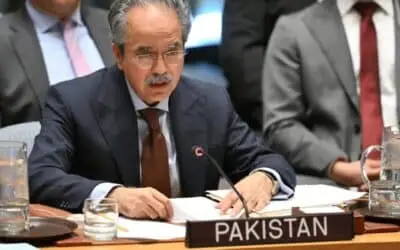





Technical-level talks between the United States and Iran under the framework of the recently signed Islamabad Memorandum of Understanding (MoU) are scheduled to resume in Bürgenstock, Switzerland, on Sunday, June 21. Pakistan’s Foreign Ministry confirmed the timeline on Saturday, noting that representatives from both nations will participate alongside official mediators from Pakistan and Qatar.
Despite logistical disruptions earlier in the week, the diplomatic framework remains active. Senior U.S. negotiators Jared Kushner and Steve Witkoff are currently in Switzerland managing technical elements, while U.S. Vice President JD Vance announced plans to join the high-level delegation in the coming days. Concurrently, Iran’s state media confirmed its negotiating team—led by Foreign Minister Abbas Araghchi—is traveling to the Swiss summit to demand comprehensive adherence to the accord.
Severe Regional Escalations Threaten Fragile Ceasefire
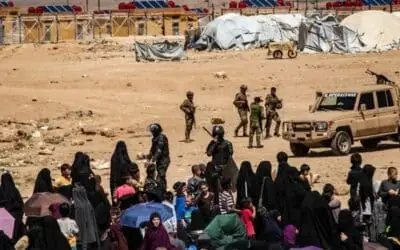
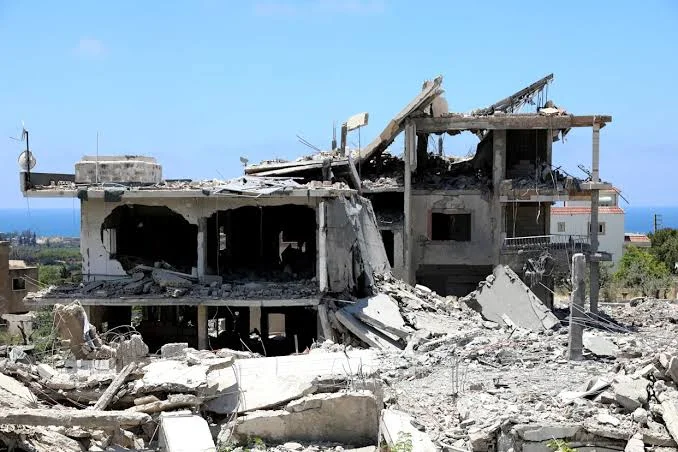
The resumption of talks comes under intense strain due to a severe resurgence of violence in Lebanon. Merely hours after a renewed ceasefire between Israel and the Iran-backed group Hezbollah was announced, a wave of Israeli airstrikes and drone attacks killed at least 32 people across southern Lebanon, including Nabatieh, Tyre, Sidon, and the Western Bekaa.
The Israeli military alleged that Hezbollah violated the truce by launching over 50 projectiles toward its operating forces overnight. In response, Hezbollah representatives stated they would reject any prolonged ceasefire while Israeli troops remain on Lebanese territory, citing an absolute right to self-defense.
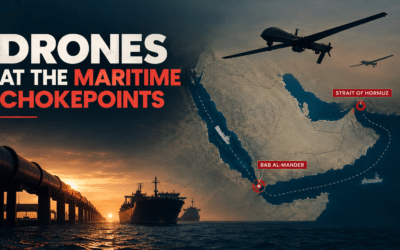
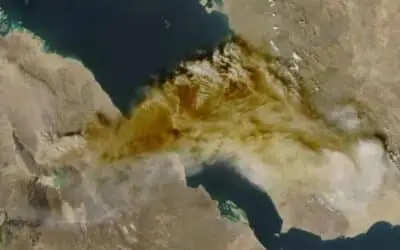
In a further escalation, Iran’s military command announced the closure of the Strait of Hormuz to vessel traffic, characterizing the measure as an initial response to ceasefire breaches and a violation of the underlying U.S.-Iran agreement to halt the regional conflict.
CRITICAL ANALYSIS
The current diplomatic standoff highlights the extreme fragility of the U.S.-Iran peace architecture, primarily because its success is fundamentally tethered to external, volatile fronts. Under Article 1 of the Islamabad MoU, a sustainable ceasefire in Lebanon is explicitly treated as a foundational pillar for broader regional de-escalation. However, because key combatants like Israel and Hezbollah are either excluded from or non-binding parties to the central U.S.-Iran text, localized kinetic actions possess an immediate veto over grand diplomatic strategies.
The closure of the Strait of Hormuz by Iran underscores the high stakes of this framework, shifting the conflict from a localized border war to an immediate challenge for global energy security and international trade.
Within this volatile landscape, the mediation framework led by Pakistan and Qatar remains a critical stabilizing mechanism. By establishing the “Islamabad MoU,” Pakistan has successfully engineered a structured, multi-lateral channel capable of absorbing severe geopolitical shocks. The fact that both Washington and Tehran are proceeding to Bürgenstock—despite active military strikes and shipping lane closures—demonstrates that the diplomatic infrastructure provided by the mediators is resilient. Moving forward, the primary challenge for mediators will not just be facilitating dialogue, but constructing enforceable mechanisms that prevent localized clashes from entirely derailing the broader 60-day implementation window.