The geographic positioning of Pakistan makes it strategically important for landlocked Central Asian Republics (CARs). Through Pakistan, the CARs can reach the global markets, especially via its ports and the development of transport routes. Due to the rising international interest in the regional interconnectivity and bonding of energy resources, trade between Pakistan and CARs is becoming popular once again. Having shared cultures and complementary economies, both parties are becoming more and more interested in engaging in stronger economic relations. Nevertheless, development is not uniform because of political instability, logistical deficiencies, and security threats.
Trade Flows & Strategic Engagement
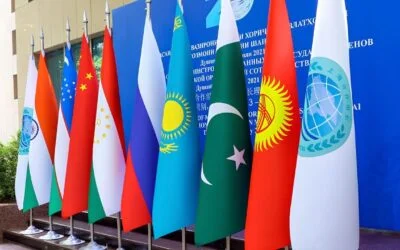
Pakistan and Central Asian Republics (CARs) have been experiencing gradual growth in trade in recent years, especially with Uzbekistan, Kazakhstan, and Turkmenistan. Even though the total volume of trade is still low against its potential, the presence of bilateral exchanges and efficient trade visits shows an improvement. The main exports to the CARs include textiles, surgical equipment, and light machinery, and the main imports to Pakistan include oil, gas, cotton, and chemical fertilisers. Regional bodies like the Economic Cooperation Organisation (ECO) and Shanghai Cooperation Organisation (SCO) have been instrumental in the areas of fostering economic cooperation, connectivity initiatives, and facilitating trade.
Economic Opportunities
The underlying source of Pakistan-Central Asia economic cooperation is energy. Investments such as the TAPI gas pipeline project and CASA-1000 electricity cross-border trade venture depict a rising basis of regional energy exchange, connecting large energy resources located in CARs with South Asian markets. Also, much can be done in terms of cooperation in the field of renewable energy and hydropower as well, because both areas can share investments and technological integration.
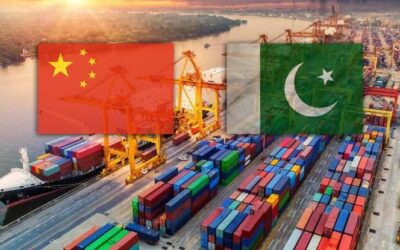
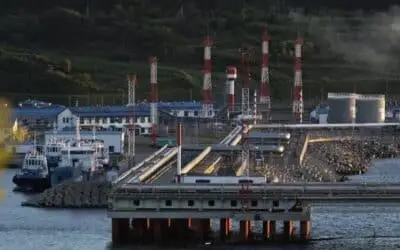
Another potential avenue is transport and connectivity programs. Gwadar port gives CARs an important access to the Arabian Sea, so it is a natural transit port. Recent attempts to revive trans-Afghan trade routes, such as the Uzbekistan-Afghanistan-Pakistan railroad, are also intended to improve the supply chains and save trading costs that, in turn, will ease the movement of goods and services.
In addition to infrastructure, no limits have been found regarding the economic cooperation in the sphere of agriculture and industry. The imports of Pakistan in construction materials, IT services, as well as pharmaceuticals, are also having an emerging market in Central Asia. Moreover, CPEC and Special Economic Zones (SEZs) are introduced, where an investment of CARs is being lured, and chances of Free Trade Agreements (FTAs) or Preferential Trade Agreements (PTAs) are being proposed to intensify trade and a high level of integration with the countries.
Challenges & Obstacles
Although the future of Pakistan-Central Asia trade looks very bright, there are some significant issues that make the achievement of the full potential difficult. The risk associated with security problems, especially the unstable situation in Afghanistan, is a big threat to transit routes that interrupt trade flows and increase transport costs.
There is also an existence of significant infrastructure gaps that include incomplete road and rail networks and the absence of direct air connections between Pakistan and CARs. Two other flaws, the obsolete customs practices and inadequate facilities at the border, also contribute to hindering trade activities, slowing down processes, and making it less competitive.
Economic participation is limited by regulatory and political obstacles, too. Cross-border business is interfered with by tariffs and non-tariff barriers, visa regulations, and trade policies.
Furthermore, regional power politics make it difficult to coordinate. There is a gap in coordinated approaches even in the Central Asian countries themselves. The disunified regional models undermine collective bargaining and make comprehensive integration with Pakistan difficult.
Way Forward
In order to achieve the maximum of Pakistan-Central Asia trade relations, a concerted and realistic policy is necessary. Pakistan should focus on the establishment of secure, fast transit routes, especially to Afghanistan, mainly by investing in infrastructure as well as regional security projects. The reinforcement of diplomatic and trade posts in the centre of Asian cities can be useful in the acquisition of trust and sector opportunities.
Enhancing efficiency in customs clearances, relaxing the visa restrictions on traders, and connecting countries by air and rail links will further lower the cost of trade and the level of connectivity. Establishment of co-operation trade councils and encouragement of public-private partnerships with a focus on CAR investors will help to improve the investment flows.
The trade of Pakistan with the Central Asian Republics has an enormous strategic and economic potential. The increased connectivity, opportunities in the energy and industry, and positive energy trends face slower progress as the security issues, gaps in the infrastructure, and regulatory barriers are considered. To address them, there should be political staying power, interregional collaboration, and specific policy remodelling.
The country of Pakistan has the potential to become an important trade and transit point in Central Asia, using the appropriate framework. Enhanced economic relations will increase the prosperity of the region not only because economic links will enhance the region, but they will also encourage long-run stability and integration.