

A series of high-profile diplomatic withdrawals has cast uncertainty over the future of the “Board of Peace” (BoP), a body proposed by the United States to oversee post-conflict reconstruction and security. Spain and the United Kingdom have officially declined invitations to join, while the United States has retracted its invitation to Canada following sharp rhetorical exchanges at the World Economic Forum.
Spain Cites Multilateralism and UN Primacy
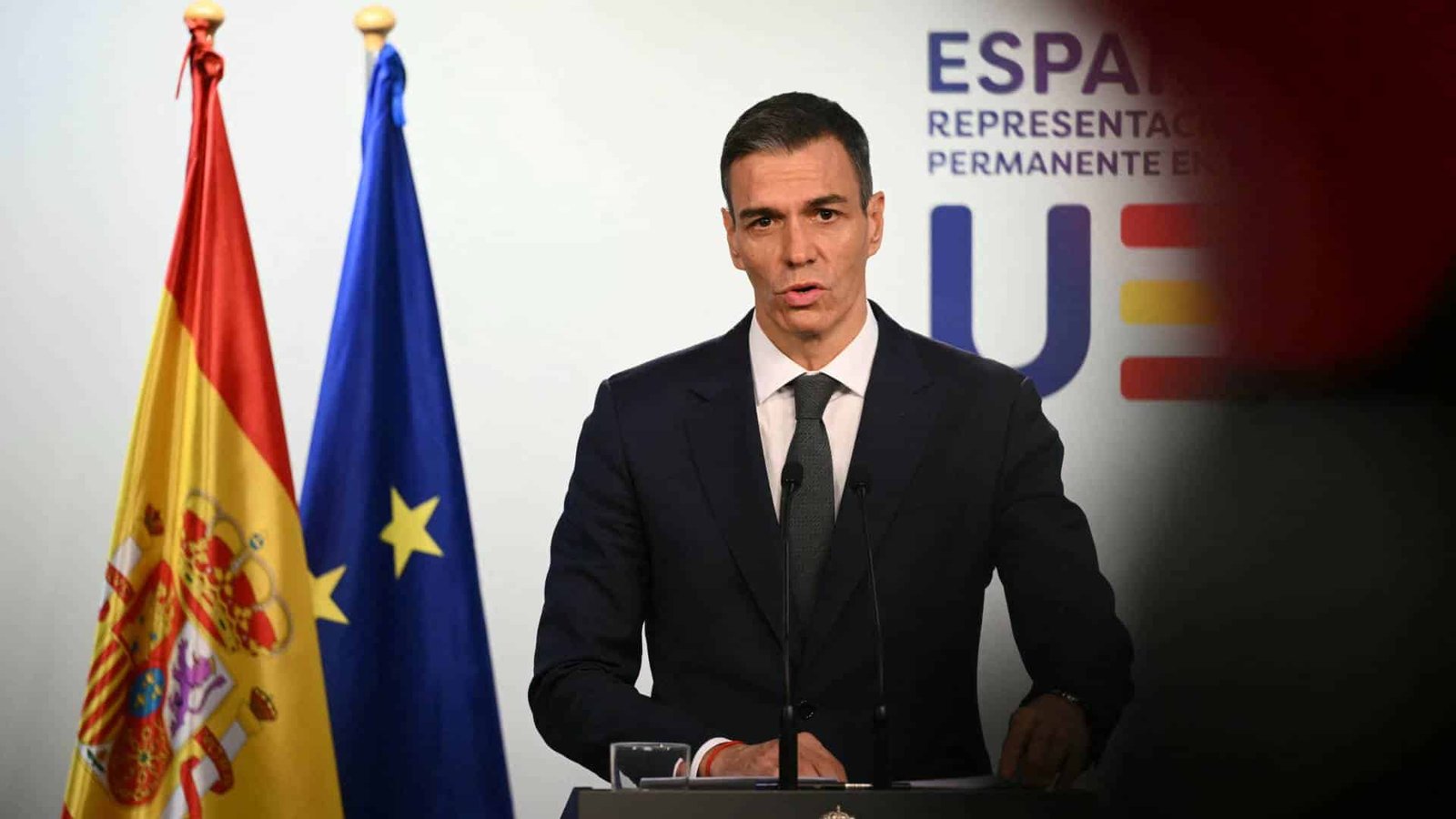
Spanish Prime Minister Pedro Sánchez formally rejected the invitation, emphasizing that Spain’s foreign policy remains rooted in multilateralism and the United Nations system. Speaking to reporters, Sánchez underscored that the absence of the Palestinian Authority from the initiative, along with Spain’s unwavering commitment to international law, made participation inconsistent with his government’s principles.
‘We appreciate the invitation but we DECLINE — Spain turns down Trump’s Board of Peace invite
PM Sanchez objects to absence of Palestinian Authority as a member and initiative being ‘outside framework of UN’
‘Future of Palestine as a whole must be decided by the Palestinians’ pic.twitter.com/gZGMuFMa0d
— RT (@RT_com) January 23, 2026
United Kingdom Raises Concerns Over Russian Involvement
The UK joined Spain in distancing itself from the initiative. Foreign Secretary Yvette Cooper stated that the United Kingdom would not sign up for the Board of Peace at this time. The primary concern cited by London is the potential participation of Russian leader Vladimir Putin, which the UK views as a significant barrier to the board’s legitimacy.
U.S.-Canada Relations Strained
The diplomatic rift extended to North America as U.S. President Donald Trump withdrew an invitation for Canada. This move follows a notable address in Davos by Canadian Prime Minister Mark Carney, who warned of a “rupture in the US-led world order.” The withdrawal marks a period of heightened friction between the two neighboring G7 nations.
The U.S. Position
Despite these withdrawals, Washington maintains that the Board of Peace is not intended to challenge or replace the United Nations. U.S. officials state that the body is designed to:
- Mediate and Monitor: Oversee active ceasefires in volatile regions.
- Reconstruct: Rebuild infrastructure in war-ravaged territories.
- Secure: Organize long-term security arrangements to prevent the resurgence of conflict.
As key Western powers opt out, questions remain regarding the board’s global representation and its ability to function without the consensus of traditional European and North American allies.