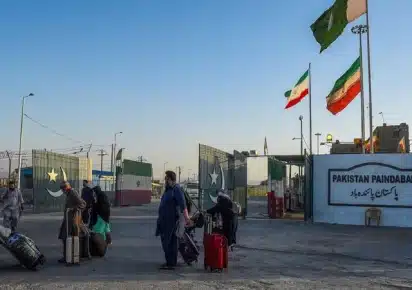


In a major regulatory step toward institutionalizing regional trade, the Federal Board of Revenue (FBR) has formally designated the Taftan Railway Station as an official land customs station. The move is designed to expand Pakistan’s documented economic engagement and cross-border transport infrastructure with the Islamic Republic of Iran.
The legal mandate was authorized under Customs Notification SRO 1055(I)/2026, issued under the statutory provisions of Sections 9 and 10 of the Customs Act, 1969. By bringing the terminal area under the federal customs web, the revenue division has established a permanent mechanism for the systematic loading, unloading, handling, and electronic clearance of all commercial import and export goods traversing the rail link.
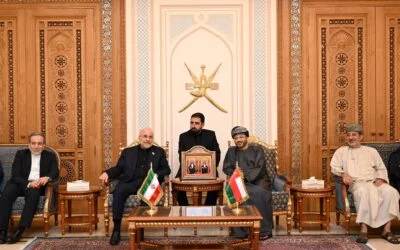
#Pakistan and #Iran have agreed to strengthen road & rail links and activate Joint Transport Committee to boost trade#RadioPakistan #news https://t.co/c7yLXHZ7KK pic.twitter.com/gTMIuiIs7H
— Radio Pakistan (@RadioPakistan) June 25, 2026
Operationalizing Underutilized Rail Infrastructure
The newly designated land customs station spans an area of 11.75 acres at the border town of Taftan in Balochistan. While Taftan has historically served as Pakistan’s primary land gateway to Iran, its rail-linked terminal has remained vastly underutilized due to institutional gaps, manual filing systems, and the absence of a dedicated customs presence on-site.
The new status addresses these structural bottlenecks directly:
-
Documentation & Clearance: Customs officials will now deploy the standard electronic clearance and inspection systems at the terminal, streamlining freight handling.
-
Cost Efficiency for Bulk Cargo: Integrating the railway infrastructure with active customs operations allows traders to bypass fragmented road routes, substantially lowering transport costs for major bulk goods such as minerals, agricultural yields, and petroleum products.
-
Curbing the Informal Economy: Operationalizing this dedicated terminal is part of a broader law enforcement push to significantly lower reliance on informal, undocumented border channels.
Driving Toward the $5 Billion Bilateral Trade Target
The formal development comes at a critical time when Islamabad and Tehran are pushing to raise bilateral trade volumes to $5 billion. Despite repeated diplomatic commitments from both capitals, actual commercial exchange has lagged behind its potential due to international sanctions, the lack of formalized banking channels, and deficient border-crossing facilities.
By standardizing and legalizing rail cargo clearance at Taftan, the FBR is building the necessary regulatory infrastructure to encourage large-scale commercial transactions. This regulatory adjustment aligns with separate nationwide anti-smuggling directives, where Pakistan Customs has scaled up intelligence-based operations to secure the border. It also coincides with an emergency directive from the FBR abolishing weekly holidays for all field offices through June 30 to help facilitate taxpayers and hit national revenue collection targets before the close of the fiscal year.
Critical Analysis: Strategic Trade Normalization Amid Regional Sanctions
The FBR’s notification of the Taftan Railway Station as a land customs station represents a strategic effort by Pakistan to formalize economic ties with Iran using regulated, documented channels. This institutional shift is particularly notable given that the trade route has operated below its capacity for years, constrained by international banking restrictions and regional volatility.
By anchoring cross-border trade within a rail-linked customs framework, the state is making a long-overdue move toward logistical efficiency. Rail transit is inherently easier to monitor, audit, and tax than fragmented road cargo networks, making this setup a powerful tool for the state to combat smuggling across the Balochistan border. It also allows Pakistan to tap into cost-effective bulk imports of Iranian minerals and energy products while providing a faster route for Pakistani agricultural exports heading west.
However, the real success of this land customs station depends on overcoming broader systemic challenges that cannot be solved by custom notifications alone. While a 11.75-acre cleared zone streamlines local processing, it does not resolve the lack of formalized banking clearinghouses between Islamabad and Tehran. Without structured barter trade mechanisms, digital payment frameworks, or a clearing currency that bypasses international sanctions, institutionalizing the route may simply redirect informal trade rather than driving the growth needed to reach the ambitious $5 billion bilateral target.
Furthermore, maximizing the terminal’s value will require significant investments to modernize the aging Quetta-Taftan railway track, ensuring it can handle regular, heavy commercial freight trains.
Conclusion
The designation of Taftan Railway Station as a formal land customs station marks a practical step forward in standardizing Pakistan’s border economy. It demonstrates a clear policy focus on turning unstable border regions into regulated, revenue-generating trade corridors.
If supported by necessary infrastructure upgrades and functional banking alternatives, this regulatory framework will help establish a stable, legal trade highway with Iran. This will ensure better compliance, lower transportation costs for the business community, and give a timely boost to regional economic integration.