




The Origins of the Mandate System
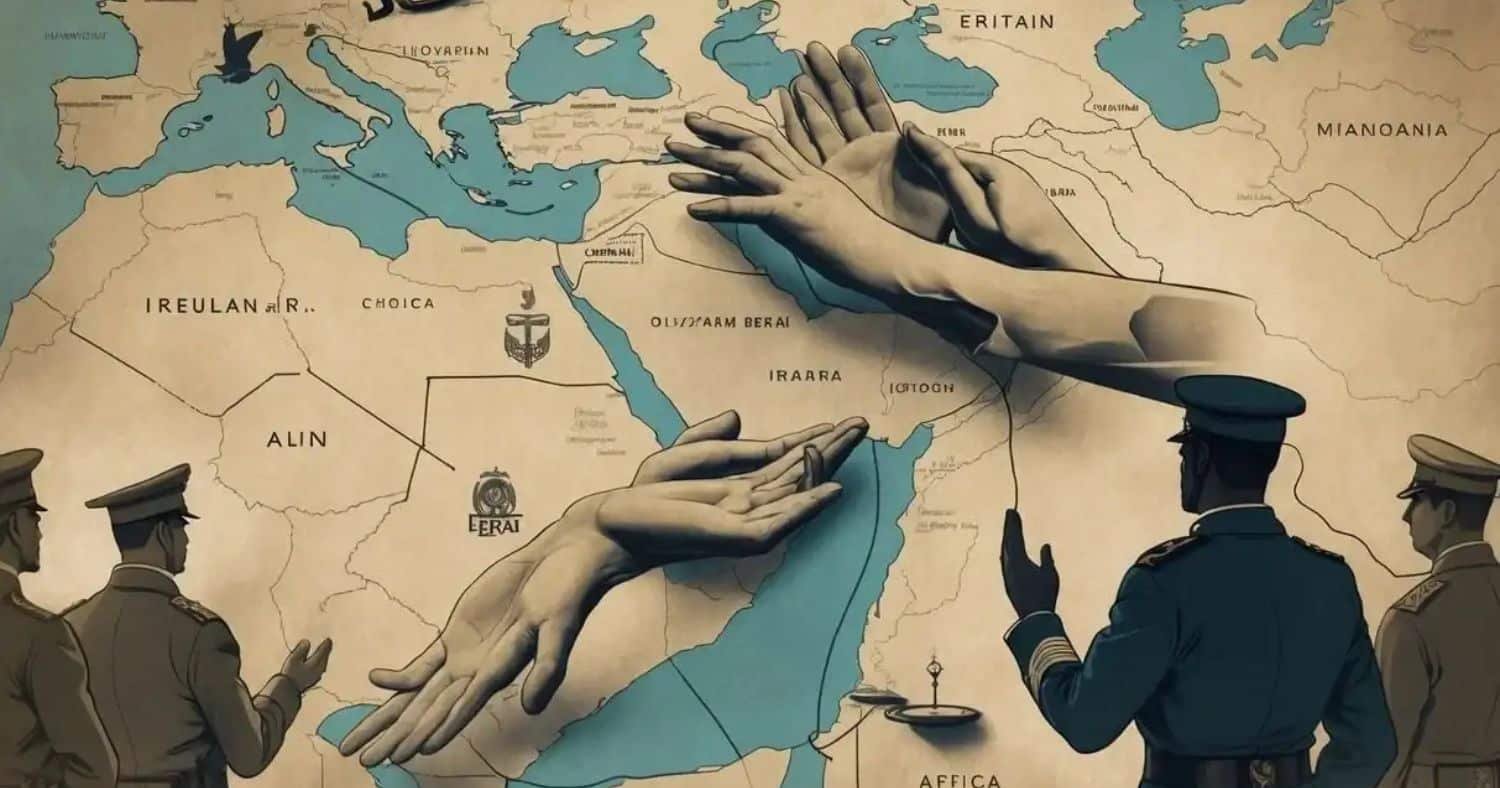
A century after the League of Nations devised the mandate system to manage former Ottoman and German territories, the world still wrestles with a basic question: how different are the formal rules of empire from the informal practices of power that persist today? The mandate system presented itself as a legal and moral instrument, territories would be administered as a “sacred trust” until they could govern themselves. In practice, however, mandates often resembled conventional colonial rule: local voices were marginalised, economic extraction continued, and the deciding powers set the political terms for the region’s future. That gap between rhetoric and reality is an essential starting point for understanding how patterns of domination have adapted rather than ended.
From Decolonisation to New Forms of Control
The second half of the twentieth century saw many formal colonies become independent states, and the language of trusteeship moved into new legal forms under the United Nations. Yet the architecture of control changed shape rather than disappearing. New instruments, military bases, security partnerships, trade agreements, and multinational corporate operations, have at times reproduced the unequal relations that characterised older colonial arrangements. These contemporary mechanisms allow external powers to influence territory, resources and governance without the formal trappings of annexation. Scholarship that traces these continuities notes how colonial administrations redistributed power toward local elites friendly to the metropolitan centre, a dynamic we can still see where external patrons sustain favourable local actors today.
You May Like to Read: The Humanitarian Aid–Security Nexus: How Sanctions Regimes and De-risking Policies Are Impeding Global Crisis Response
Palestine: The Longest Modern Occupation
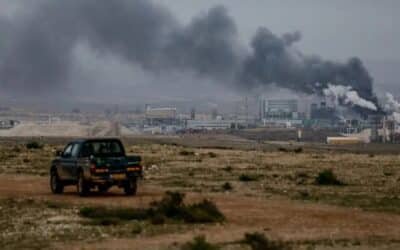
The most visible and disturbing expression of this continuity is the prolonged occupation of Palestinian territory. International legal bodies have recently clarified that Israel’s continued presence in the occupied Palestinian territory raises serious legal obligations and consequences for third States. In July 2024 the International Court of Justice issued an advisory opinion that reframed many long-standing facts about occupation and the rights of the Palestinian people under international law. Since then, UN human-rights mechanisms and independent monitors have continued to document settlement expansion, restrictions on movement, and economic and territorial measures that critics say reflect a pattern of control that echoes older forms of imperial governance. These findings are not abstract: they shape diplomacy, corporate risk assessments, and the daily lives of millions.
You May Like to Read: Israel’s Genocidal Violence: Starvation and Massacres in Palestine
Occupation by Incremental Steps
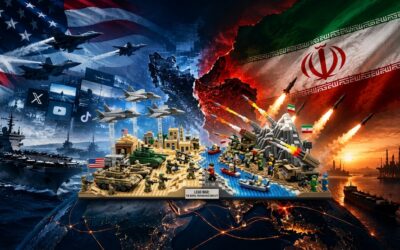
War and occupation in the twenty-first century also take new logistical and narrative forms. The Russia-Ukraine war and other recent conflicts show how power projection is now mediated by high-technology logistics, sanctions, and competing international narratives. Control can be achieved through direct military rule, proxy arrangements, or the steady creation of facts on the ground, settlements, corridors, and administrative changes that are difficult to reverse. Analysts increasingly treat these as continuations of older strategic logics. Securing territory and influence by incremental steps that complicate future political settlement. The result is that formal sovereignty becomes porous; the law may condemn the act of occupation while political realities entrench it.
You May Like to Read: The Global Rise of Surveillance States: Implications for Pakistan’s Civil Liberties
The Economic Face of Modern Occupation
Economic instruments are a quieter, but no less consequential, dimension of modern occupation. Projects labelled as investment, development or security cooperation often carry strings, like preferential access to markets, control over infrastructure, or the presence of foreign firms whose activities shape land use and labour conditions. International institutions and civil society groups are now paying greater attention to corporate roles in contested territories; recent UN disclosures and databases that list companies operating in illegal settlements show how private capital can enable and normalise contested control. For countries like Pakistan. exporting labour and building diplomatic ties across regions, these dynamics matter because they affect the global rules that govern trade, aid, and migration.
You May Like to Read: Trade Sanctions as a Tool of Hegemony: How the Global South Can Respond?
Resistance and the Push for Self-Determination
Resistance to such continuities is real and multifaceted. Local civil society, transnational advocacy networks, and legal instruments, ranging from domestic courts to the ICJ, push back by documenting abuses, litigating responsibilities, and urging states to honour non-recognition obligations. Comparative histories of decolonisation show that nationalist movements, international solidarity, and changing geopolitical alignments can produce political breakthroughs. But the lesson from history is that endings are rarely tidy; formal independence does not automatically dismantle entrenched economic patterns or external strategic interests.
Lessons for Pakistan and the Global South
For Pakistani readers, this history holds a practical lesson. Pakistan’s foreign policy and civil society have long navigated a world where rhetoric about sovereignty and principles does not always match material power. Understanding the continuity between mandates and modern occupations helps explain why legal victories, important as they are, must be matched by sustained political, economic and diplomatic strategies. Supporting principled multilateralism, safeguarding independent development pathways, and holding corporations and states to international obligations are necessary steps if the post-colonial promise of genuine self-determination is to be realised.
Concluding
In the end, the world faces a choice: accept the cosmetic shifts of power as progress, or confront how structures of control re-emerge under new names. Recognising the continuity does not mean resignation; it means equipping ourselves, our diplomats, our journalists and our citizens, with accurate history, rigorous legal standards and the political will to translate those standards into action. Only then can the “sacred trust” once promised to subject peoples become more than a fig leaf for domination.