




Leadership Change in Iran
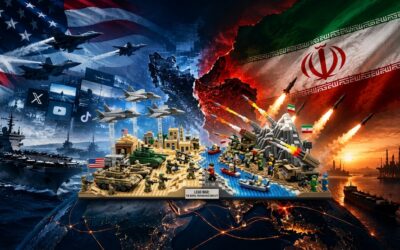
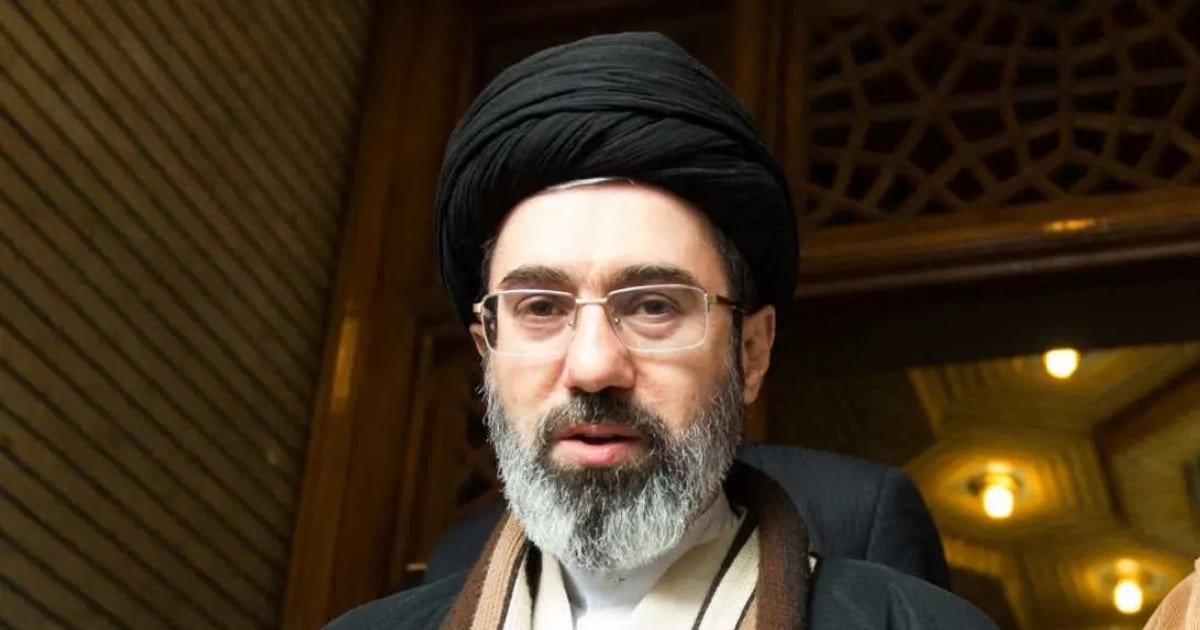
Iran has officially confirmed that Mojtaba Khamenei has become the country’s new Supreme Leader following the era of his father, Ali Khamenei. His appointment signals continuity in Iran’s political and ideological direction. Analysts say he is closely linked with the powerful Islamic Revolutionary Guard Corps, which plays a key role in Iran’s security and regional strategy. Many observers believe this leadership change will likely keep Iran on a hardline path rather than bring major reforms.
Iran has named Mojtaba Khamenei the country’s new supreme leader following the killing of his father Ayatollah Ali Khamenei in US-Israeli strikes on February 28, the state-run media has announced. https://t.co/mYjsZuVOcp pic.twitter.com/eYG00HAeLj
— CNN (@CNN) March 8, 2026
United States Takes a Careful Approach
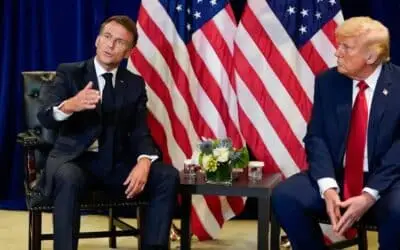
The reaction from the United States has been cautious. Donald Trump avoided direct criticism of the new leader and instead focused on broader concerns such as global energy markets and regional stability. While speaking publicly, he suggested that Iran’s future leadership should remain acceptable to the international community, but stopped short of threatening military action. Washington appears to be balancing several priorities: maintaining pressure on Iran, reassuring allies, and avoiding a wider regional conflict that could disrupt global oil markets.
Israel Issues Strong Warning
Israel responded much more aggressively. Israeli Defence Minister Israel Katz warned that leaders connected to Iran’s ruling system could become direct targets if they threaten Israeli security. Israeli officials also signaled that the military is ready to continue operations against Iranian-linked positions in the region. This strong reaction highlights the sharp difference between the strategies of Washington and Jerusalem in dealing with Iran’s new leadership.
You May Like To Read: Saudi Aramco Adjusts Oil Sales as Middle East Conflict Disrupts Supply Routes
Overall, the appointment of Mojtaba Khamenei marks a significant moment for Iran and the region. While the United States is choosing a cautious diplomatic approach, Israel is signaling a far more confrontational stance, raising concerns about future tensions in the Middle East.
Check out our latest video: