




South Asia has been a volatile region that has been characterized by security tensions, where Pakistan and India are at the epicentre of a fragile strategic balance. The new military and technological advancements also take the stage in the shaping of deterrence within this environment. The formation of an Army Rocket Force Command in Pakistan shows its keen interest in strengthening its missile capabilities and ensuring a credible defense, as well as India’s trying to integrate the capability of space-based defense and futuristic warfare technologies in its Sudarshan Chakra Mission. Collectively, these efforts represent a major change in the regional security calculus that begs the question whether increased stability can be achieved via increased capabilities by measures of deterrence or whether this will generate an even more risky arms race.
Pakistan Army Rocket Force Command
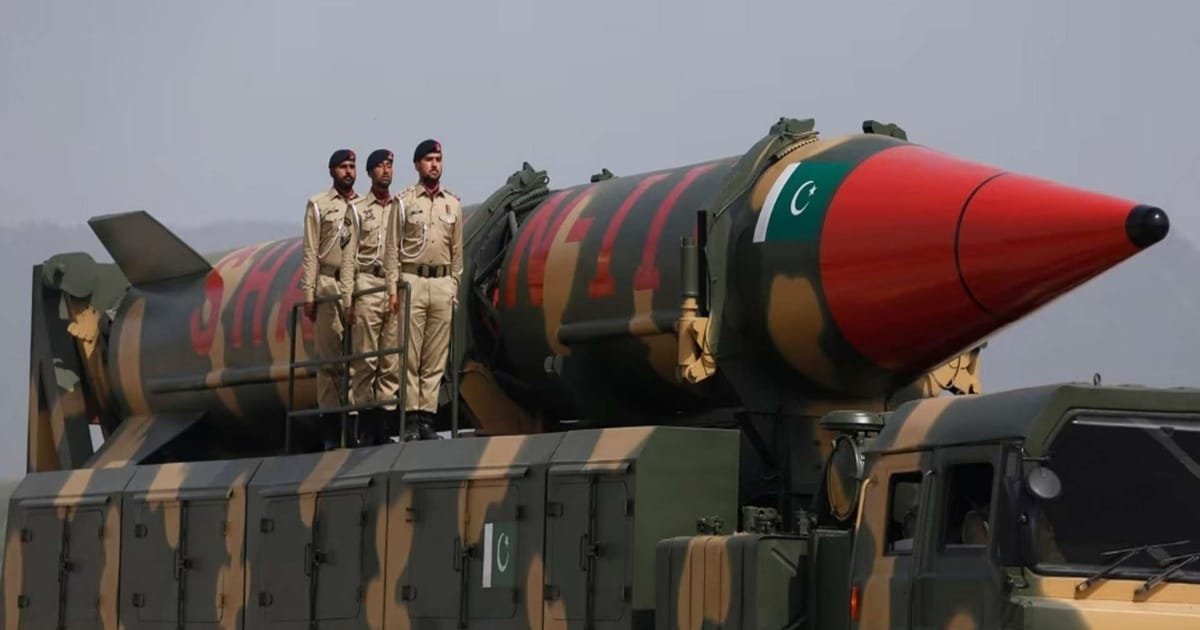
Formation of the Army Rocket Force Command is a significant stage in the modernization of Pakistan’s defense as it puts an emphasis on the further upgrading of the missile forces and their readiness to confront the threat in case of conflict. The Rocket Force Command is different from the traditional artillery or missile regiments because it is supposed to offer a more structured, centralized, and technologically enhanced setup to organize the Pakistani missile forces. It indicates the realization in Pakistan that missile systems are not supportive tools in the context of contemporary warfare, but can be decisive in the shaping of deterrence.
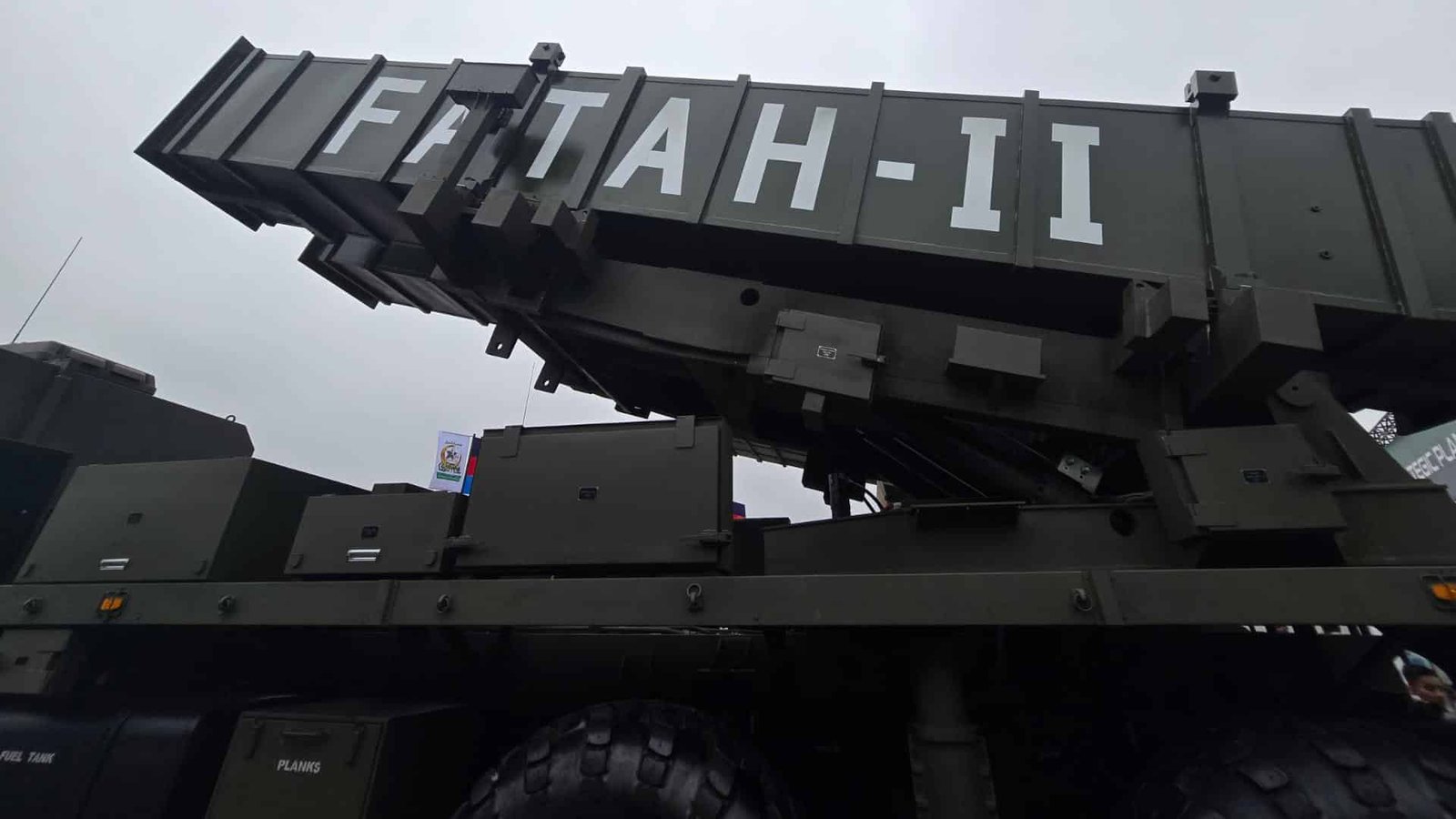
Amplification of the Pakistani credible minimum deterrence policy is one of the objectives of the Rocket Force Command, as is any kind of nuclear policy. With the collection of control over long-range missile systems, Pakistan seeks to make quicker decisions, ensure safe deployment, and achieve precision in attack capabilities. The new command is supposed to coordinate the incorporation of new technologies of battle missiles, medium-range ballistic missiles, and perhaps new cruise system missiles. By upgrading command and control systems, mobility, and precise targeting, Pakistan aims at the modernization of its deterrence system, combined with a shift to address dangers encountered in the region.
Other than nuclear deterrence, the Rocket Force Command can also augment more conventional strike capabilities, which provide Pakistan with additional flexibility in small wars. Long-range artillery and precision-guided rockets can be used as a low-cost tool to combat the escalating conventional Indian military capability. Such diversification makes Pakistan not completely rely on nuclear strength itself to provide deterrence, but it can use high-tech missile systems as a measure of layered defense.
Pakistan just announced the creation of a new ‘Army Rocket Force Command.’
This isn’t just about bigger rockets. It’s a fundamental shift in South Asian military doctrine that could change the rules of the next conflict. Here’s why it matters. 🧵#Pakistan #ARFC #Military pic.twitter.com/kprmllj8w8
— Quwa (@QuwaGroup) August 14, 2025
Sudarshan Chakra Mission
Sudarshan Chakra Mission is a radical move by India as it seeks to boost its defense capacity in non-traditional areas like land, air, and sea. The Sudarshan Chakra can be imagined as a space-based defence project, whereas conventional missile systems cannot integrate the advanced satellite, precision-guided systems, as well as the futuristic technologies. The mission is also in the framework of India moving to multi-domain warfare, where space assets will have a defining role in surveillance, communication, navigation, and intercepting missiles.
The Indian defense would use satellite and space-based technology to step up its real-time intelligence-gathering capabilities, precision strike forces, and missile defense systems, posing a threat to the country. Such a mission secures this industry along with the already existing Indian defense initiatives, the Ballistic Missile Defense (BMD) shield, and the anti-satellite (ASAT) test in 2019, which marks New Delhi’s intention to gain space and missile dominance.
The Indian Space Research Organisation (ISRO) and the Defence Research and Development Organisation (DRDO) work, and this is not only a demonstration of military might but a display of Indian technological maturity in the world arena. By integrating space defense with missiles, India is taking a step ahead to overcome the technological versatility, particularly with regard to the competitors in the region, such as China and Pakistan.
Strategic Comparison
The other aspect is the formation of the Rocket Force Command in Pakistan and the Sudarshan Chakra Mission in India as different yet integrated perspectives to deterrence and defence in South Asia. Whereas Pakistan is pursuing the conventional path by enhancing its missile-based combat capability on conventional and nuclear levels of deterrence, India is emerging with a space-defence system, which incorporates satellites, guided munitions, and an advanced interceptor platform.
In the case of Pakistan, the Rocket Force Command is a combination of consolidation and the institutionalization of the power of missiles. It also offers a transparent organization for administering the existing missile stockpile, readiness in terms of deterrence, and a strong emphasis on credible retaliatory status. The order is steeped in the conventional soil-based missile systems, and more so, it has the potential to readily absorb more superior, accurate, and time-saving weapons as time progresses. The Sudarshan Chakra of India, on the other hand, is expected to operate in the future warfare disciplines of war, in which space technology and systems based on satellite are the key. By pursuing this merger of space capabilities with missile defense, India is positioning itself to have long-term superiority in both strategic deterrence and real-time battle space awareness.
Speaking about the strengths and limitations, Pakistan Rocket Force is associated with reliability and guaranteed retaliation to a certain degree; it is, however, by and large, only sophisticated missile deployment within the conventional land-based fighting dimension. Besides being more advanced in the concept, the Sudarshan Chakra of India has drawbacks related to feasibility, cost, and time to achieve full functionalization.
Deterrence is also complicated by the way each side perceives such programs. According to the perspective of Pakistan, the Sudarshan Chakra may be interpreted as an opposition to its deterrent strategy of missiles, potentially weakening it in case of unsuccessful development of reliable means of missile interception on the part of India. Pakistan Rocket Force is a bigger and more centralized threat to the missile in India that has to be dealt with using high-quality counter mechanisms. Such an action-reaction loop is at risk of perpetuating the arms race equation that is already present in the region, where both nations are using the other as an excuse to justify their developments.
These two initiatives are less about the imminent war-fighting needs and more about signaling and strategic positioning. By introducing Rocket Force Command, Pakistan proves its strength and willingness. Whereas by introducing the Sudarshan Chakra, India shows its technological prowess and regional superiority. Collectively, they change the calculus of deterrence on the South Asian scale, and further to an age of critical strategic rivalry.
Regional, and Global Consequences
The rise of the Rocket Force Command in Pakistan and the Sudarshan Chakra Mission by India have serious ramifications not only in the South Asian region but on the world strategic map as well. At the regional level, these processes add on to the existing security contest between Islamabad and New Delhi, entrenching the previously existing action-reaction loop that has characterized their military modernization.
More than just South Asia, China and the United States pay keen attention to these changes. Potentially, China, which is already a powerhouse in the development of missile and space defense systems, could be a silent partner in helping Pakistan in this endeavour, and the United States could very well see the use of the Sudarshan Chakra as one of the members of its broader alliance in curbing Chinese influence in the Indo-Pacific. Such an international aspect threatens to involve external parties in the regional security equation further, and South Asia may become a contested area unable to equilibrate between competing powers.
You May Like To Read: