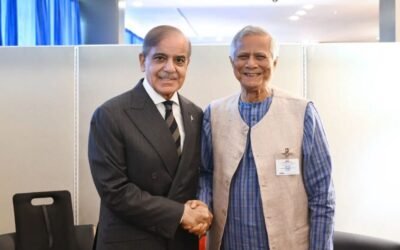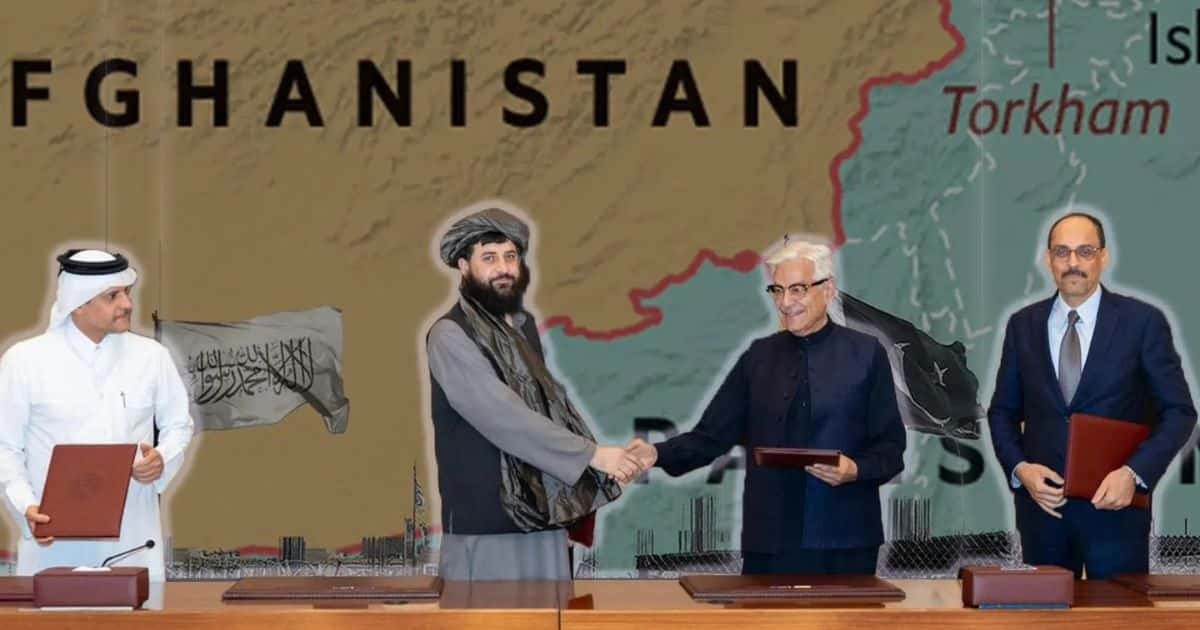



The resumption of principal-level talks in Istanbul on November 6, 2025, between Pakistan and the Tehreek-e-Taliban Afghanistan (TTA)—mediated by Türkiye and Qatar—represents a critical juncture for regional stability. Following border clashes in October that pushed bilateral ties to their lowest since 2021, both sides have committed to extending a fragile ceasefire and establishing a verifiable monitoring mechanism. Yet, beneath this diplomatic momentum lies a deepening rift between the TTA leadership and the Tehreek-e-Taliban Pakistan (TTP), threatening to derail progress.
Pakistan, Afghanistan set to begin third round of talks in Istanbul
Read @ANI Story | https://t.co/zx9v1mBz5K#Pakistan #Afghanistan #IstanbulTalks pic.twitter.com/BAXUN1Gj1q
— ANI Digital (@ani_digital) November 6, 2025
Reports indicate the TTA has ordered a halt to cross-border attacks on Pakistan to create conducive conditions for dialogue. This aligns with the core objective of the talks: securing iron-clad assurances that Afghan soil will no longer serve as a launchpad for terrorism against Pakistan. The TTA’s compliance is pragmatic—Kabul cannot sustain conflict with a nuclear-armed neighbor while grappling with internal reconstruction and international legitimacy.
You May Like To Read: U.S. Poised to Green-Light Historic F-35 Sale to Saudi Arabia in Major Policy Shift
In contrast, the TTP has intensified attacks, including recent strikes on Pakistani security forces. Independent analysts note these actions coincide with key negotiation milestones, suggesting deliberate sabotage. While Islamabad accuses external actors of exploiting the TTP as a proxy, the group’s defiance also stems from ideological rigidity and operational autonomy accumulated during two decades of war.
Objectively, the TTP’s continued violence serves no strategic interest for Afghanistan. Renewed escalation would invite devastating Pakistani retaliation, collapse the ceasefire, and erode global goodwill toward the TTA at a time when humanitarian aid and sanctions relief remain precarious. For Pakistan, perpetual instability along a 2,600-km border drains resources needed for economic recovery.
The path forward requires three simultaneous tracks:
- TTA Enforcement: Kabul must demonstrate tangible control by neutralizing TTP command structures inside Afghanistan—through relocation, disarmament, or targeted operations. Without visible action, Pakistan’s trust deficit will persist.
- Verification Architecture: The proposed joint monitoring mechanism should include real-time intelligence-sharing protocols and third-party oversight to prevent either side from exploiting ambiguities.
- Regional Backing: China, Iran, and Central Asian states—stakeholders in Afghan stability—should quietly press the TTA to honor commitments while offering Pakistan assurances against spoilers. A coordinated diplomatic surge could transform bilateral talks into a broader regional compact.
History shows that half-measures prolong chaos. The Doha Agreement of 2020 collapsed partly because intra-Taliban fractures were never addressed. Today, the Istanbul process offers a narrower but clearer window: either the TTA reins in the TTP decisively, or the region slides back into a familiar cycle of violence that benefits only extremists and their silent patrons.
Sustainable peace demands more than ceasefires—it requires dismantling the infrastructure of terror. Until that happens, every round of talks remains hostage to the next TTP bullet.
Check out our latest video: