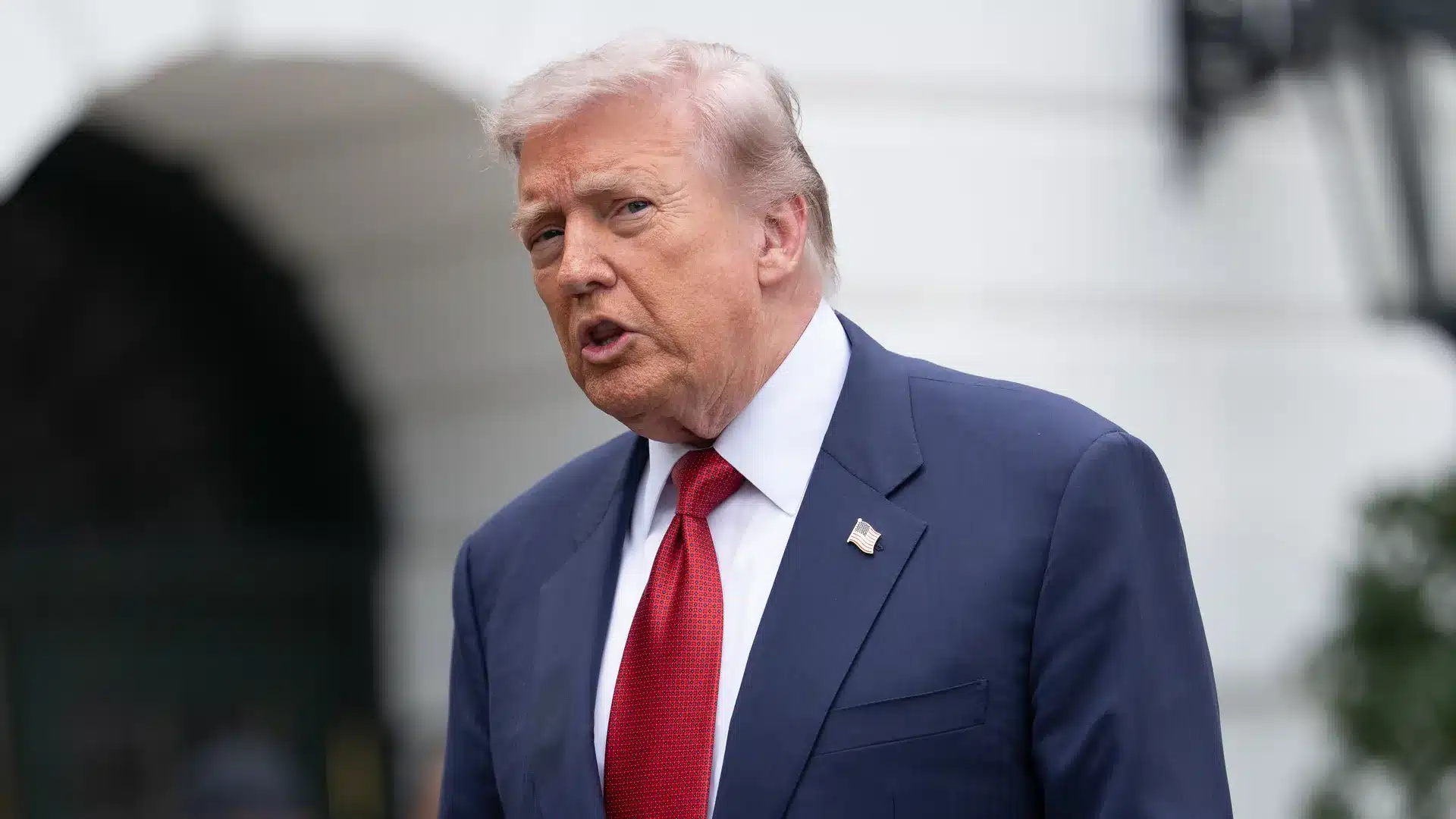



The fragile diplomatic architecture constructed to halt the 2026 Iran war has suffered a catastrophic collapse. Speaking on Wednesday from the sidelines of the high-stakes NATO summit in Ankara, U.S. President Donald Trump categorically declared that the recently signed Memorandum of Understanding (MoU) with Iran is “over,” signaling an abrupt end to Washington’s willingness to engage in direct or indirect negotiations with Tehran.
The announcement follows a violent escalation in the Middle Eastern theater on Tuesday, characterized by a massive wave of U.S. military strikes hitting Iranian targets, coupled with the immediate revocation of a critical sanctions waiver that had briefly permitted Iranian crude oil sales.
Trump says the ceasefire between U.S. and Iran is over.
“To me, I think it’s over. I don’t want to deal with them anymore; they’re scum”, the U.S. president says.
Live updates: https://t.co/l9KwsXPz0p pic.twitter.com/mqfE5qKOHe
— Sky News (@SkyNews) July 8, 2026
The Collapse of the Islamabad-Brokered Peace Track
The now-defunct agreement, formally known as the Islamabad Memorandum, was signed less than a month ago on June 17, 2026, following intensive, round-the-clock mediation by Pakistan. The 14-point framework agreement was designed to provide a 60-day window to maintain a regional ceasefire, fully reopen the blockaded Strait of Hormuz, and establish baseline parameters for permanent peace negotiations in Qatar and Switzerland.
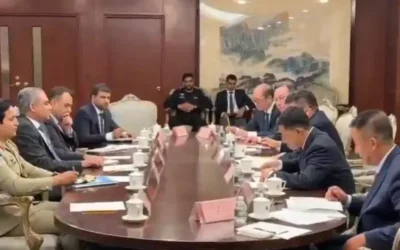
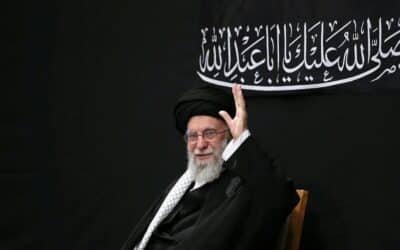
However, the diplomatic track fractured rapidly due to structural disputes over maritime boundaries, compounded by logistical delays following the state funeral for Iran’s late Supreme Leader. Independent diplomatic sources confirmed that indirect, technical-level talks mediated by Pakistan and Qatar in Doha ultimately failed to achieve meaningful headway before kinetic hostilities resumed.
Sharp Rhetoric and Total Diplomatic Disengagement
President Trump delivered his remarks alongside NATO Secretary General Mark Rutte, who strongly endorsed the revised U.S. posture. Trump expressed total disdain for the Iranian leadership, making it clear that he views continued diplomatic engagement as an exercise in futility.
Trump stated that he no longer wishes to deal with Iranian leadership, describing them as highly untrustworthy and malicious actors. He characterized the ongoing diplomatic process as an absolute waste of time and emphasized that the United States would not tolerate further provocation, hinting that additional, severe military strikes were imminent.
NATO Secretary General Rutte backed the position, calling the recent U.S. military strikes absolutely necessary. He emphasized that the international community cannot allow a state to reap the economic benefits of a performance-based ceasefire while simultaneously violating its core security terms.
Economic Warfare: The Revocation of the Oil License
The formal death blow to the Islamabad Memorandum’s economic incentives came from the U.S. Department of the Treasury on Tuesday. Acting on direct executive orders, the Treasury officially revoked General License waivers that had permitted Iran to market and export crude oil, petroleum products, and petrochemicals.
-
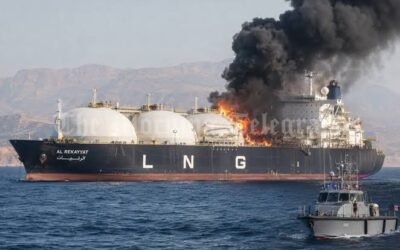
The Triggering Incident: The abrupt policy reversal was triggered by a series of maritime security breaches in the Strait of Hormuz, where three commercial energy tankers—including a Qatari-flagged LNG carrier—were struck by projectiles within Omani and international shipping lanes.
-
The Wind-Down Timeline: The original sanctions waiver was legally slated to run until August 21, 2026. Under the emergency revocation order issued on Tuesday, the U.S. government gave international entities and financial institutions a strict wind-down deadline until July 17 to permanently terminate all active transactions involving Iranian energy assets.
Kinetic Escalation: U.S. Central Command Strikes Back
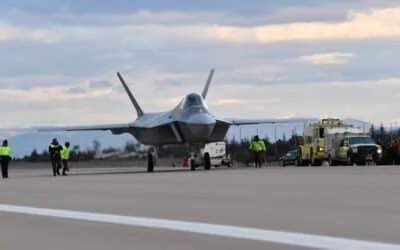
Simultaneous with the economic restrictions, the U.S. military unleashed an aggressive, multi-target air and sea campaign against Iranian defensive and offensive assets. U.S. Central Command (CENTCOM) confirmed that the overnight operations targeted and degraded critical infrastructure inside Iran and near the Strait of Hormuz, including:
-
Coastal radar arrays and early-warning air defense networks.
-
Anti-ship missile batteries and hardened command-and-control nodes.
-
More than 60 Islamic Revolutionary Guard Corps (IRGC) small fast-attack craft operating within the strait.
In response, the Iranian Foreign Ministry in Tehran issued a fierce counter-statement, asserting that the U.S. military strikes constitute a flagrant violation of the war-termination agreement. Iranian lead negotiators warned that their armed forces would invoke Article 51 of the UN Charter to defend national sovereignty, declaring that the era of Western bullying would not force a diplomatic surrender. With both sides trading heavy blows and reinforcing their military positioning, the region enters a highly volatile phase of open conflict, leaving international mediators with virtually no viable path back to the negotiating table.