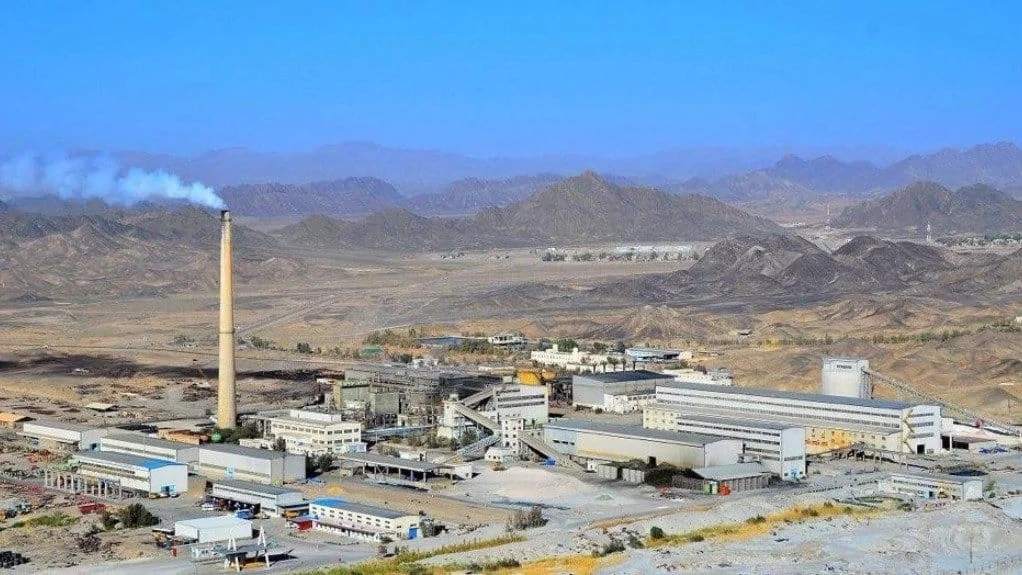


Pakistan’s federal government has ordered an immediate and comprehensive security upgrade around the country’s largest operating copper and gold extraction venture—the Chinese-run Saindak mine in western Balochistan—following disruptions to regional supply routes caused by militant activity.
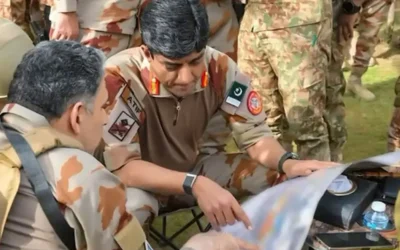
The security deployment was confirmed by Minister of State for the Interior Tallal Chaudhry, coinciding with a firm denial from the mine’s management regarding international media reports that the vital resource project was on the verge of a total operational shutdown.
Pakistan has instructed provinces and security agencies to reinforce protection for the Chinese-operated Saindak copper and gold mine after the operator warned worsening Balochistan security could force a shutdown.
Read more at:https://t.co/F4tAIgtvds pic.twitter.com/vMdUnDK1ki— Profit (@Profitpk) July 15, 2026
Escalating Logistics Threats Trigger Security Intervention
According to federal officials, the decision to deploy additional security personnel, cargo escorts, and route clearances was set in motion in early July after the mine’s operator expressed deep security concerns regarding its logistics network.
The primary vulnerability facing the high-value site is road transportation. Because of deteriorating security conditions along key provincial highways, several private transport contractors had balked at moving critical materials—particularly furnace oil used for the project’s on-site power generation—fearing militant ambushes or sabotage.
State Minister Tallal Chaudhry confirmed that federal authorities have directed provincial security forces to secure all transport channels, stating:
“We have directed the provincial authorities and all concerned security agencies to beef up deployment for all of their installations, personnel, logistics, and transportation. It is our priority to safeguard all projects run by international companies in Pakistan.”
Conflict Over “One-Month Shutdown” Warnings
The sudden security upgrade follows a controversial report published by the Financial Times. The publication claimed to have reviewed a June 29 letter written by the Managing Director of Saindak Metals Limited (SML), Raziq Sanjrani, warning the Ministry of Energy that operations at the massive copper-gold project would become completely unsustainable within a month due to the acute “non-availability of essential production materials”.
However, Sanjrani swiftly and categorically rejected the report, labeling the narrative of an impending closure “factually incorrect”. He clarified that the 25-year-old mine has run continuously without interruption, and there is no possibility of its shutdown. The appeal to the energy ministry, he noted, was a routine request to resolve transport bottlenecks for furnace oil, a matter which local security agencies have already successfully resolved.
The Saindak project is operated by the Resources Development Company (MRDL), a subsidiary of the state-owned Metallurgical Corporation of China (MCC). The venture is a cornerstone of Pakistan’s mining sector, with its copper and gold exports generating roughly $750 million in crucial export revenue last year, the vast majority of which was exported to Chinese markets.
Reko Diq and the Mineral Belt
The transport security crisis at Saindak highlights the broader challenges facing Pakistan’s ambitions to transform its mineral-rich western frontier into a secure hub for foreign direct investment.
The security concerns at Saindak are mirrored just 50 kilometers away at the proposed $9 billion Reko Diq copper-gold mega-project. Barrick Gold, the principal developer of Reko Diq, has similarly had to review regional supply chain vulnerabilities and transport routes due to the persistent threat of regional insurgent activity in the area.
In Beijing, China’s Ministry of Foreign Affairs stated that while it is not fully aware of the specific details regarding the logistics letters, it remains committed to working alongside its close partner Pakistan to protect Chinese citizens, assets, and joint economic installations within the country.