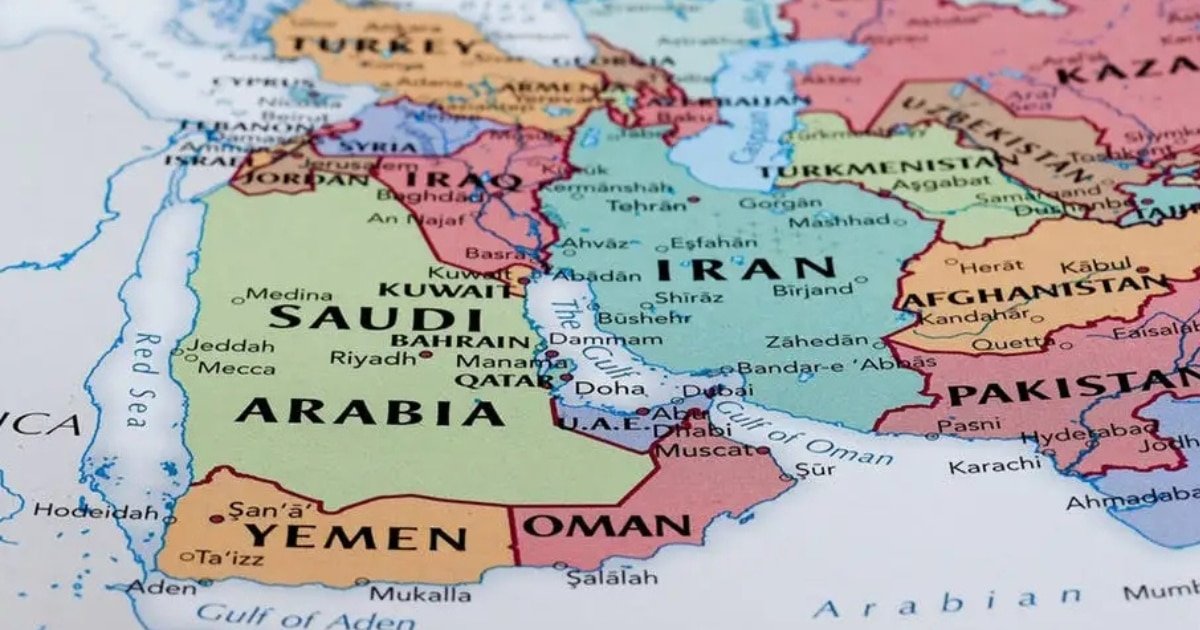



The resurgence of open warfare between Iran and the US-Israeli axis has thrust the Middle East into a state of profound instability, forcing Pakistan to perform one of the most complex diplomatic balancing acts in its history. For Islamabad, the crisis is not merely a distant geopolitical skirmish but a multidimensional threat to its core national interests. As a nation that shares a porous border with Iran, maintains a “Strategic Mutual Defence Agreement” with Saudi Arabia, and relies on the United States as a primary international partner, Pakistan’s margin for error is razor-thin. The current escalations demonstrate that the traditional policy of “strategic neutrality” is being tested by the sheer velocity of regional developments.
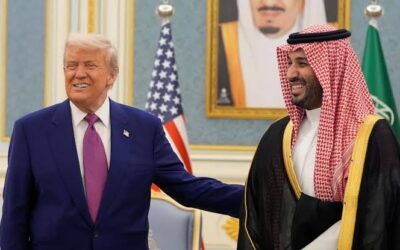
Prime Minister Muhammad Shehbaz Sharif meets the Crown Prince and Prime Minister of Saudi Arabia H.R.H. Prince Muhammad bin Salman in Jeddah on 12 March 2026. pic.twitter.com/YxFZILR8ao
— Government of Pakistan (@GovtofPakistan) March 12, 2026
Pakistan’s recent conduct at the United Nations Security Council (UNSC) serves as a microcosm of this delicate equilibrium. By supporting two seemingly competing resolutions—one sponsored by Bahrain criticizing Iranian “egregious attacks” and another by Russia mourning the loss of life and urging a halt to military activities—Islamabad signaled its dual priorities. It must stand in “complete solidarity” with its Gulf allies, whose economic and energy support is life-sustaining for the Pakistani state, while simultaneously opposing the “Trumpian misadventure” of preemptive strikes that threaten to ignite a regional conflagration. This “dual messaging” is a pragmatic necessity; the Gulf region hosts millions of Pakistani workers and provides essential oil, while the U.S. remains a critical pivot for Pakistan’s broader global standing.
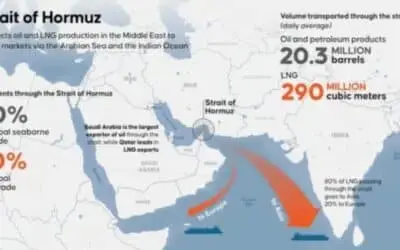
The conflict has also exposed significant shifts in the regional power structure. The transition of power in Tehran, following the devastating assassinations of the senior leadership, has led to a “doubling down” by the new Supreme Leader, Mojtaba Khamenei. His pledge to keep the Strait of Hormuz closed—a vital global artery—has weaponized energy markets, pushing oil prices toward the $100 mark. For Pakistan, this is an economic nightmare. Maritime disruptions in the Strait directly exacerbate Pakistan’s domestic currency instability and energy costs. Furthermore, the security breakdown on the western border poses immediate risks to Balochistan, ranging from potential refugee influxes to the opportunistic movement of cross-border militants.
Amidst this volatility, the Trump administration’s reliance on “gangster-style logic”—leveraging sanctions and military force to demand total capitulation—has only intensified the “resistance” narrative within the Muslim world. Critics argue that these policies have failed to achieve their intended goal of regional pacification, instead creating a vacuum where local conflicts expand into multiple regional battles. Iran’s own strategic posture, while ambitious in its reach through proxies in Yemen, Iraq, and Lebanon, has shown vulnerabilities in intelligence and operational security. The ability of the US-Israeli combine to pinpoint sensitive leadership targets indicates a breakdown in Tehran’s counterintelligence that the new leadership must now reconcile while managing an overworked economic system.
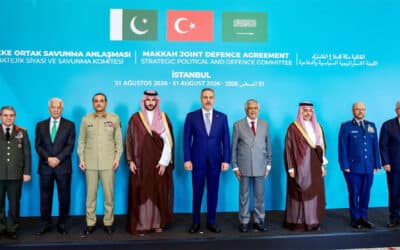
To navigate this diplomatic minefield, Pakistan must transition from reactive diplomacy to proactive mediation. The most viable path forward is to advocate for a fresh, comprehensive ceasefire resolution in the UNSC that addresses the concerns of all stakeholders. Working alongside Turkiye and the Organization of Islamic Cooperation (OIC), Islamabad can push for a framework that guarantees three essential pillars: a clear condemnation of regime-change attempts, an immediate cessation of all attacks on regional states, and a mutual pledge to respect sovereign borders. Prime Minister Shehbaz Sharif’s recent engagement with President Masoud Pezeshkian suggests that Islamabad is already exploring these channels, urging the international community to address the “main factors” of this imposed war.
You May Like To Read: Four U.S. Service Members Killed in KC-135 Refuelling Aircraft Crash in Western Iraq
Ultimately, Pakistan’s greatest asset is its history of nuclear diplomacy and its “bridge-builder” status. By maintaining neutral relations with Tehran and a robust defense partnership with Riyadh, Islamabad can advocate for a transparent framework that addresses global concerns over Iran’s nuclear program while protecting Tehran’s national rights. Such a balance prevents Pakistan from becoming a casualty of a conflict it did not start. In a world defined by big-power confrontations, Pakistan’s success depends on its ability to uphold its strategic framework—maintaining diplomatic neutrality, facilitating dialogue, and prioritizing local peacekeeping—ensuring that its own national priorities are not sacrificed at the altar of regional power struggles.
Check out our latest video: