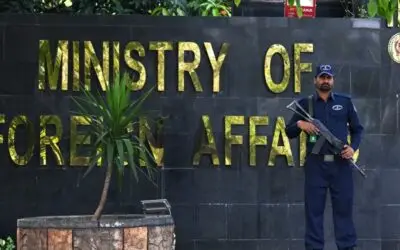





Following a series of sophisticated cyber intrusions targeting the country’s broadcast and digital infrastructure, the National Computer Emergency Response Team (CERT) has issued a high-priority advisory today, March 3, 2026. The national body has directed all government, defense, and financial institutions to implement “maximum protective measures” as regional kinetic conflicts increasingly spill over into the cyber domain.
CERT issues advisory amid rising cyberattack risks in Pakistan.
Organizations and individuals are urged to strengthen their cybersecurity measures to stay protected.Subscribe for more updates:
https://t.co/queY4hdNc1#Narratives #CyberSecurity #PakistanCyberAlert… pic.twitter.com/EbRMVK4FK1— Narratives Media (@NarrativesM) March 3, 2026
The Threat Landscape: Deepfakes and PsyOps
National CERT has warned of a multi-pronged digital offensive aimed at destabilizing national security and public trust. The advisory specifically identifies:
-
Psychological Operations (PsyOps): Coordinated campaigns utilizing deepfakes and fabricated news to spread misinformation and panic.
-
Service Disruptions: Heightened risk of Distributed Denial-of-Service (DDoS) attacks and ransomware targeting banking and financial gateways.
-
Targeted Attacks: Increased frequency of spear-phishing and “SloppyLemming” cluster activities targeting government employees and critical infrastructure.
Cyber Counter-Offensive: Media War Escalates
The advisory follows a chaotic 48-hour period where Pakistan’s digital sovereignty was challenged:
-
Pakistani Media Breaches: Channels including Geo News, ARY, and SAMAA TV suffered transmission hijacks via the PAKSAT satellite. Hackers displayed “subversive and anti-military” messages and even ran pro-Mossad Google advertisement campaigns on news websites.
-
The “Pakistan Cyber Force” Response: In a rapid retaliatory strike, a group known as the Pakistan Cyber Force successfully hacked the Indian news channel ABP News. The hijacked feed replaced scheduled programming with pro-Pakistan slogans and speeches by Field Marshal Syed Asim Munir.
-
Israeli Targets: Sources in Islamabad confirmed that “counter-cyber operations” have also been initiated against several Israeli government websites and digital assets.
Mandatory Security Protocols
National CERT has made the following measures mandatory for all public sector institutions:
-
Multi-Factor Authentication (MFA): Immediate implementation of MFA/Passkeys and the discontinuation of SMS-based verification.
-
System Audits: Immediate threat-hunting and comprehensive security audits by IT teams.
-
Restricted Access: Restricting access to sensitive government systems from foreign IP ranges.
-
Vigilance: Strict instructions for staff and the public to avoid downloading unverified applications or interacting with suspicious links.
Government Stance
The Ministry of IT and Telecommunication, under Federal Minister Shaza Fatima, has launched a formal investigation into the satellite uplink breaches. Authorities noted that while private channels and one mobile app were briefly compromised, they have since been restored. The state has vowed to protect the nation’s digital frontiers with the same “unabated” resolve as its physical borders.
You May Like To Read: