


Pakistan has formally reaffirmed its opposition to the creation of new permanent seats on the United Nations Security Council (UNSC), cautioning that such an expansion would worsen institutional dysfunction and violate the principle of sovereign equality.
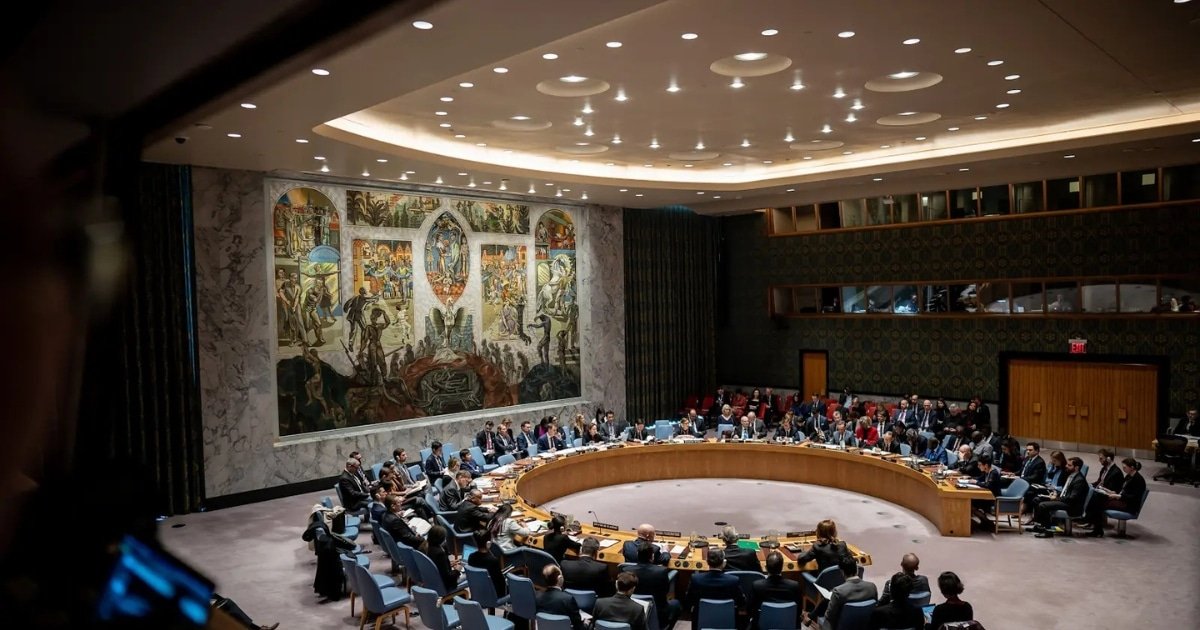
Speaking at a resumed session of the Intergovernmental Negotiations (IGN) on Security Council Reform, Ambassador Asim Iftikhar Ahmad, Pakistan’s Permanent Representative to the UN, emphasized that adding permanent members serves individual ambitions rather than the collective interests of the 193-member General Assembly.
“Reform for all — privilege for none,” Ambassador Ahmad stated, summarizing the stance of the Uniting for Consensus (UfC) group. The UfC, led by Pakistan and Italy, argues that the addition of new permanent members—a move heavily lobbied for by the G-4 nations (India, Brazil, Germany, and Japan)—would merely establish “new centers of privilege” and further paralyze the Council’s decision-making capabilities.
At a time when the multilateral system is under unprecedented strain, and there are widespread calls for a United Nations that is truly fit for purpose, demands for special privileges have no place in these discussions.
Two wrongs do not make a right. Expanding the circle of… pic.twitter.com/4aSqHQgy38
— Permanent Mission of Pakistan to the UN (@PakistanUN_NY) February 21, 2026
The UfC Proposal for Reform
Instead of permanent membership, Pakistan and the UfC group have proposed a compromise aimed at increasing accountability and representation:
-
Expansion of Non-Permanent Seats: Increasing the number of elected positions to make the Council more democratic.
-
Renewable Longer-Term Seats: A new category of membership allowing for longer service terms through a democratic vote, without granting permanent status or veto power.
-
Enhanced Regional Representation: Ensuring that underrepresented regions have a stronger, more frequent voice in global security matters.
You May Like To Read: Royal Crisis: Andrew Mountbatten-Windsor Arrested on 66th Birthday
The Security Council currently consists of five permanent members (P5) with veto power and 10 non-permanent members elected for two-year terms. Pakistan maintains that any reform must prioritize the empowerment of the General Assembly and ensure the Council remains a representative body rather than an exclusive club for a few powerful nations.
Check out our latest video: